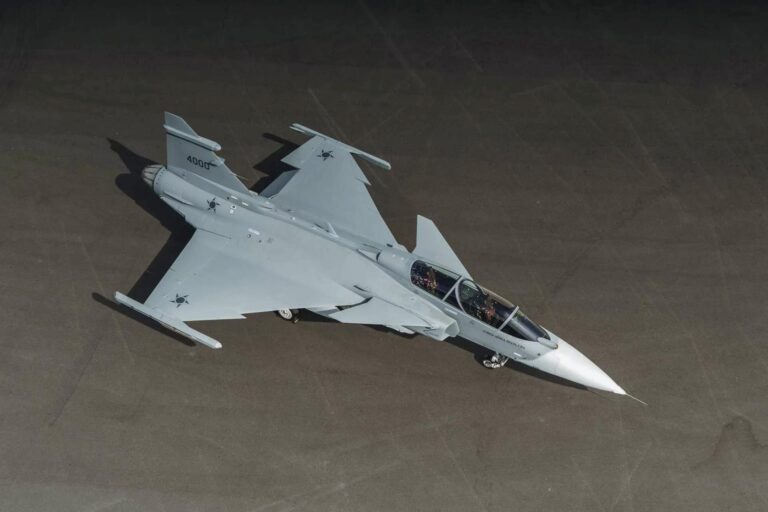
The Unprecedented Expansion of Brazil’s Fighter Fleet
Brazil has solidified its commitment to modernizing its air force by signing a new contract that increases its Gripen fighter jet fleet from 36 to 56 aircraft. This move not only demonstrates Brazil’s strategic focus on enhancing its aerial defense capabilities but also underscores the nation’s aggressive approach to integrating advanced military technology. The contract, signed during recent diplomatic talks, signifies a deepening of defense ties between Brazil and Sweden, where Saab’s Gripen fighters are produced.
Strategic and Technological Significance
Why does this expansion matter? Modernizing air power is crucial for Brazil’s military readiness, especially given the increasing regional tensions and the vast geographical expanse of the country. The Gripen E/F jets, renowned for their superior agility, advanced avionics, and multi-role flexibility, are positioned as a formidable addition to Brazil’s defense arsenal. Moreover, this deal aligns with Brazil’s longer-term goal to develop indigenous defense capabilities through technology transfer and local manufacturing.
Background and Evolution of the Gripen Program in Brazil
The journey of the Gripen in Brazil started in 2013 when the Brazilian Air Force (FAB) initiated a combat aircraft modernization program. Saab’s bid was selected over competitors because of its cost-effectiveness, technological innovation, and scalability. The initial order comprised 36 aircraft, with delivery beginning in 2020, marking a significant milestone for Brazil’s military modernization plan.
Over this period, Brazil has not only received the aircraft but has also begun integrating local maintenance and modernization infrastructure. The recent move to order 20 additional fighters illustrates Brazil’s confidence in Saab’s platform and its broader vision of self-reliant defense manufacturing.
Implications of the New Contract
By expanding its Gripen fleet, Brazil aims to achieve multiple strategic objectives:
- Enhanced Interoperability: Amplifying capabilities with neighboring countries and NATO allies.
- Air Superiority Maintenance: Staying ahead in modern combat scenarios with cutting-edge technology.
- Defense Industry Growth: Creating jobs and boosting technological innovation through local manufacturing and technology transfer programs.
Technology Transfer and Local Development
This deal is not solely about acquiring aircraft; it signals a long-term plan to foster technological independence. Saab has committed to establishing an Innovation Center that will facilitate joint research, development, and maintenance activities. This center aims to transfer cutting-edge aerospace technology, empowering Brazil to develop its own fighter jet components and systems, and potentially design future indigenous aircraft.
Regional and Global Impact
Brazil’s decision to expand its Gripen fleet influences regional power balances. It challenges the traditional dominance of older aircraft models, forcing neighboring nations to reconsider their own defense strategies. On the global stage, Brazil’s move aligns with emerging trends where developing nations insist on self-sufficiency and advanced military technology, shifting away from reliance on foreign suppliers.
Insights into Saab’s Strategic Position
Saab’s Gripen platform, known for its metadata-rich sensors, advanced combat management systems, and low operational costs, continues to attract interest from emerging markets. Saab’s focus remains on delivering tailor-made solutions, emphasizing cost-efficiency, scalability, and technology transfer, making it a preferred choice for nations aiming to modernize without overextending their defense budgets.
What’s Next? Long-term Outlook for Brazil and Saab
Looking ahead, this expanded deal is a stepping stone toward Brazil’s aspiration to develop a homegrown aerospace industry, leveraging Saab’s technology transfer and local production efforts. Additionally, the partnership could pave the way for future collaborations in unmanned systems, missiles, and other defense technologies.
Meanwhile, Saab cements its position as a leading provider of next-generation fighter jets to burgeoning markets. The relationship with Brazil signals Saab’s strategic intention to expand its footprint in Latin America, offering flexible, state-of-the-art solutions tailored to the unique needs of developing nations.