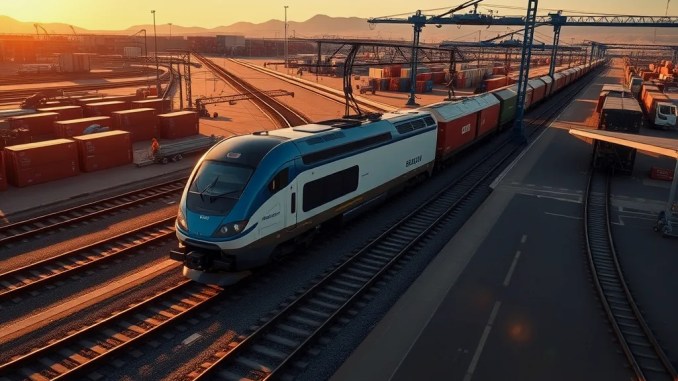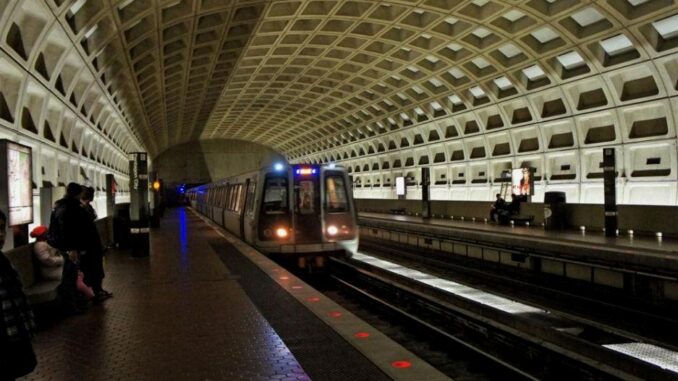
Virginia is taking a decisive step towards revitalizing its transportation infrastructure, setting ambitious goals to enhance connectivity, efficiency, and safety across the state. The Department of Rail and Public Transportation (DRPT) has unveiled a detailed “Six-Year Improvement Program” draft that encompasses investments from 2027 to 2032, emphasizing strategic upgrades in rail and bus systems. Strategic Investment in Rail Infrastructure The backbone of Virginia’s modernization effort lies in bolstering its rail network, focusing on both freight and passenger services. According to data from *Progressive Railroading*, the state plans to allocate $19 million in the 2027 fiscal year for immediate improvements, including upgrading tracks, enhancing safety features, and expanding terminal facilities. Over the six-year span, the total investment from all funding sources is projected to reach approximately $239 million. Notably, a significant portion targets short-line railroads—local freight operators crucial for regional economies. These rails facilitate quick, cost-effective freight transit, reducing congestion on highways and lowering carbon emissions. Specific Enhancements Include: – Modernization of railway tracks to improve safety and operational capacity. – Replacement of old locomotives and freight cars with newer, more efficient models. – Expansion of rail terminals to handle increased freight volume. These improvements aim to elevate Virginia’s freight logistics, making shipping more reliable and attractive for businesses. Revitalizing Public Transit Systems Virginia’s commitment extends strongly into public transit, with a dedicated budget that exceeds $815 million over the six-year timeline. This substantial investment supports transit agencies like Virginia Railway Express (VRE) and Washington Metropolitan Area Transit Authority (WMATA), ensuring they operate with modern, reliable equipment. Key initiatives include: – Increasing service frequency and reducing travel times. – Upgrading bus fleets with cleaner, more energy-efficient models. – Developing new transit routes to underserved communities, promoting equitable mobility. – Overhauling transit infrastructure for enhanced safety, including station renovations and expanded parking facilities. Achieving these goals directly confronts many urban mobility challenges, such as traffic congestion, air pollution, and limited access to transportation options. Focus on Corridor Planning and Connectivity Beyond equipment upgrades, Virginia emphasizes integrated corridor planning, which aims to create seamless transit corridors connecting major employment hubs, residential neighborhoods, and recreational areas. This approach involves detailed multimodal transit planning, ensuring that buses, trains, and shared mobility services work cohesively. Implementing these strategies involves: – Conducting comprehensive transit network analyses. – Engaging local communities to identify needs and preferences. – Investing in smart transportation technology for real-time tracking and efficient dispatching. This connectivity focus aims to reduce commute times significantly, improve last-mile solutions, and make public transit a more attractive alternative to private vehicles. Why These Investments Matter The planned investments are designed to foster economic growth by improving freight logistics and public transit efficiency. Improved rail infrastructure will attract new industries seeking reliable shipping options, and upgraded transit systems will support a growing population by providing safe, accessible mobility. These initiatives also align with broader environmental goals, aiming to reduce emissions by shifting commuters from cars to transit modes and encouraging sustainable freight transportation. Virginia’s strategic approach ensures that: – Investment is targeted and impactful, – Infrastructure upgrades meet future demand, – Communities experience improved quality of life, – The economy benefits from increased logistical efficiency. By executing this comprehensive six-year plan, Virginia positions itself as a leader in innovative transportation infrastructure, setting a benchmark for other states to follow in building resilient, adaptive, and sustainable transit networks.