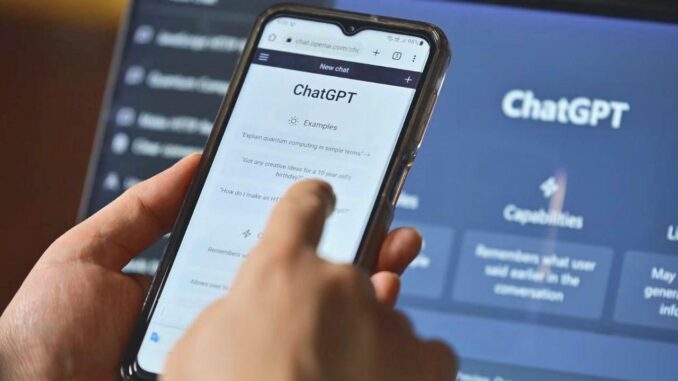
Revolutionizing Healthcare Delivery with OpenAI’s Free AI Tool
In a groundbreaking move that could reshape the future of medicine, OpenAI is now offering free access to its advanced AI platform specifically designed for verified healthcare professionals across the United States. This pivotal initiative enables doctors, nurses, pharmacists, and medical assistants to harness the power of artificial intelligence directly into their daily routines, significantly enhancing diagnosis accuracy and streamlining treatment planning.
How OpenAI’s AI Tool Elevates Medical Practice
By integrating this AI platform into clinical work, healthcare professionals can analyze vast amounts of data almost instantly. For instance, a physician can input symptoms and patient history into the system, which then cross-references millions of peer-reviewed medical articles, clinical guidelines, and diagnostic criteria to suggest most probable diagnoses. This process, traditionally time-consuming and prone to human error, now becomes more precise and rapid, saving valuable patient time and reducing mistakes.
Moreover, the tool helps in personalized treatment recommendations. Pharmacists can check for potential drug interactions with a few clicks, ensuring safer prescriptions, while nurses can receive tailored patient education materials that improve understanding and compliance. These functionalities, powered by artificial intelligence, give chase an edge in providing evidence-based care with fewer hurdles.
Data-Driven Decisions and Increased Adoption
Recent data from the American Medical Association shows that the use of AI in clinical settings has more than doubled since last year. Over 80% of surveyed healthcare providers actively incorporate AI tools into their workflows, citing improved accuracy and efficiency as main benefits. This rapid adoption underscores the demand for accessible AI solutions that support clinical decision-making, especially in busy hospital environments.
OpenAI’s initiative extends beyond just the US, with plans to gradually expand access to other countries, recognizing the universal need for improved healthcare infrastructure. By offering free access to verified medical professionals, OpenAI aims to reduce disparities in healthcare quality, particularly in underserved rural areas where specialist access is limited.
Real-Life Applications and Step-by-Step Use Cases
- Emergency Diagnoses: A radiologist uploads imaging reports; the AI analyzes radiology data alongside patient symptoms, suggesting possible conditions such as pneumonia or pulmonary embolism, directing immediate next steps.
- Chronic Disease Management: A cardiologist uses the AI tool to track patient vitals and lab results over time, receiving alerts about potential complications before they become critical.
- Medication Safety: Pharmacists quickly verify drug interactions, safety data, and appropriate dosages, reducing adverse drug events significantly.
- Patient Education: Nurses generate personalized explanation sheets for patients, improving health literacy and adherence to treatment plans.
How It Works: From Data Input to Actionable Insights
This AI platform works by seamlessly integrating with existing electronic health record (EHR) systems, allowing to indulge in input data or retrieve AI-generated recommendations within their familiar workflows. When a clinician inputs symptoms or lab results, the system crunches through millions of data points instantly, identifies patterns, and offers evidence-backed suggestions. It can also summarize complex research articles into digestible insights, saving exhausted hours of literature review.
Additionally, its step-by-step guides assist less experienced practitioners through complex procedures, effectively serving as an on-demand expert. This democratizes access to top-tier medical knowledge and elevates overall care standards.
The Future of AI in Healthcare: Personalized, accessible, precision medicine
With OpenAI’s continued updates and broader rollout, the potential for AI-driven healthcare expands exponentially. Expect more personalized diagnostic tools, AI-powered telemedicine, and advanced predictive analytics. The technology will soon enable real-time monitoring of patient health data through wearable devices integrated with AI-powered apps, providing proactive care rather than reactive treatment.
This transformation crowns a new era where healthcare becomes more data-driven, patient-centered, and efficient. As AI tools become more sophisticated and accessible, the core of medicine will shift toward precision medicine, driven by vast, real-time data and AI-optimized protocols—saving lives and optimizing resource utilization across the globe.