
Transforming Food Waste into Clean Hydrogen: The Future of Sustainable Energy
Imagine turning everyday food scraps—like bread crumbs, vegetable peels, and fruit remnants—into a powerful, eco-friendly fuel that can replace fossil fuels and significantly reduce greenhouse gas emissions. This breakthrough is no longer a distant dream; it’s becoming a reality thanks to innovative biotech research that leverages nature’s own bacteria to produce clean hydrogen. As fossil fuel reliance continues to threaten our climate, scientists are pioneering methods that use waste materials already abundant in our society, turning them into a sustainable energy source with minimal environmental impact.
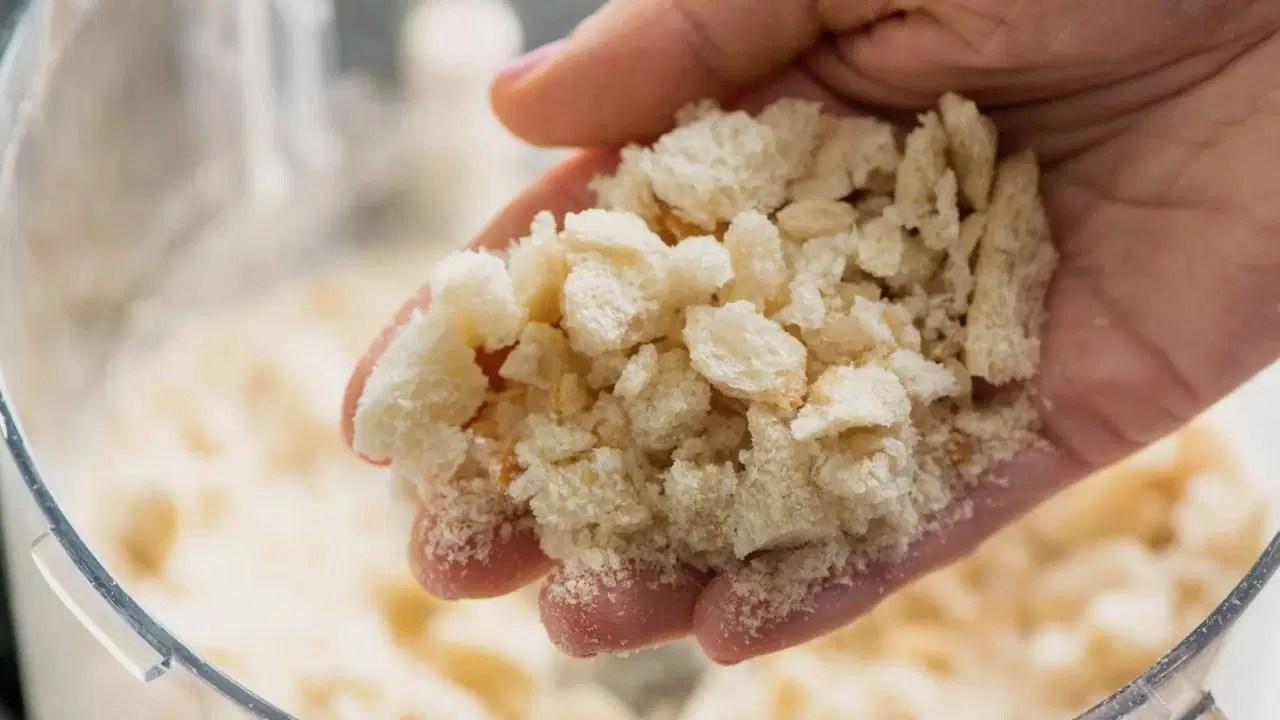
How Bacteria Convert Food Waste into Hydrogen
The core of this revolutionary process involves harnessing specific bacteria, such as Escherichia coli (E. coli), which naturally produce hydrogen under the right conditions. These microbes naturally ferment carbohydrates found in food waste in oxygen-free environments, releasing hydrogen gas as a byproduct. This approach not only offers a cost-effective alternative to traditional hydrogen production but also significantly mitigates carbon emissions associated with conventional methods like steam methane reforming.
Here’s a step-by-step outline of how this process works:
- Gather and sterilize food waste such as bread crumbs, peels, and other organic residues.
- Introduce E. coli bacteria into a sealed, oxygen-free chamber containing the waste material.
- Bacteria ferment the carbohydrates, producing hydrogen gas as a natural metabolic byproduct.
- Capture the hydrogen using specialized metal catalysts that facilitate immediate chemical transformation for use in energy applications.
- Convert the hydrogen into usable energy forms, like electricity or clean fuel for vehicles and industries.
This method achieves remarkable efficiency, with studies showing success rates surpassing 94% in laboratory settings, making it a viable solution on an industrial scale.
Advantages of Using Food Waste for Hydrogen Production
- Environmental sustainability: Eliminates food waste and reduces reliance on fossil fuels, cutting annual carbon emissions by millions of tons globally.
- Cost efficiency: Utilizes waste materials that are otherwise disposed of, lowering raw material costs for hydrogen production.
- Reducing in food waste: Promotes waste valorization, transforming a disposal problem into a valuable resource.
- Scalable technology: Adaptable to various waste streams—from kitchen scraps to agricultural residues—enabling widespread application.
Challenges and Solutions in Scaling Up
Despite promising laboratory results, scaling this technology introduces several challenges. Maintaining optimal bacterial health in large volumes requires precise environmental control, and integrating catalytic systems to rapidly convert gas into energy demands innovative engineering. Solutions include:
- Bioreactor optimization: Developing robust, automated bioreactors that sustain ideal conditions for bacteria over extended periods.
- Catalyst development: Engineering durable, efficient catalysts that maximize hydrogen transformation and energy output.
- Integration with existing infrastructure: Designing modular units that can be deployed in waste processing plants, farms, or urban centers.
Potential Impact and Future Outlook
The potential of converting food waste into green hydrogen extends beyond environmental benefits. It can unlock new economic opportunities—creating jobs in waste management, biotech industries, and renewable energy sectors—while helping nations meet climate targets.
Imagine a future where every kitchen and supermarket contributes directly to the production of clean energy. Countries like the UK have already begun exploring this avenue, projecting that food waste-derived hydrogen could satisfy up to 10% of their national fuel needs. As research advances, integrating this technology into national energy grids, transportation systems, and industrial processes will accelerate, leading to a paradigm shift from fossil-based energy sources toward a circular economy based on renewable resources.
Why This Innovation Matters Now More Than Ever
With climate change accelerating, and depleting fossil fuel reserves, adopting biotech-driven hydrogen production from food waste offers a vital, immediate solution. It tackles multiple issues—reducing waste, lowering carbon emissions, and providing a stable, renewable energy source. This approach exemplifies how sustainable innovation can reshape our energy landscape and pave the way for a greener, cleaner future.