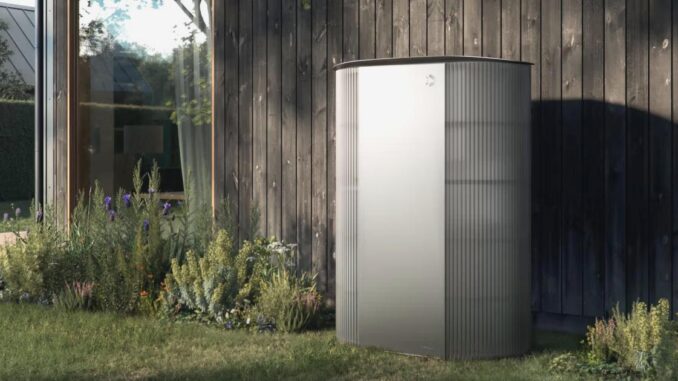
As renewable energy production accelerates across Europe, the challenge of efficiently storing this power for seasonal variations remains unresolved. The current energy grid is designed for consistent, short-term storage, but capturing the excess of summer and deploying it during the cold winter months demands innovative solutions. Enter Photoncycle, a Norwegian startup at the forefront of this revolution, developing a novel approach using solid-state hydrogen for long-term, seasonal energy storage.
Traditional battery systems or pumped hydro fail to address the scale and duration required for seasonal storage effectively. Batteries are limited by capacity and cost, while alternatives like thermal storage aren’t optimal for balancing power grid fluctuations over months. The need for a robust, scalable, and cost-effective method led to exploration of hydrogen’s potential. Specifically, solid-state hydrogen storage offers a promising pathway by safely absorbing, maintaining, and releasing large quantities of energy over extended periods.

The Core Innovation: Solid-State Hydrogen for Seasonal Storage
Photoncycle’s solution hinges on converting excess solar energy during summer into hydrogen gas, which is then stored in a solid form. Unlike conventional gaseous or liquid hydrogen storage, solid-state methods involve transforming hydrogen into metal hydrides or other stable compounds that can be stored safely at ambient conditions. This approach addresses safety, cost, and space concerns traditionally associated with hydrogen storage.
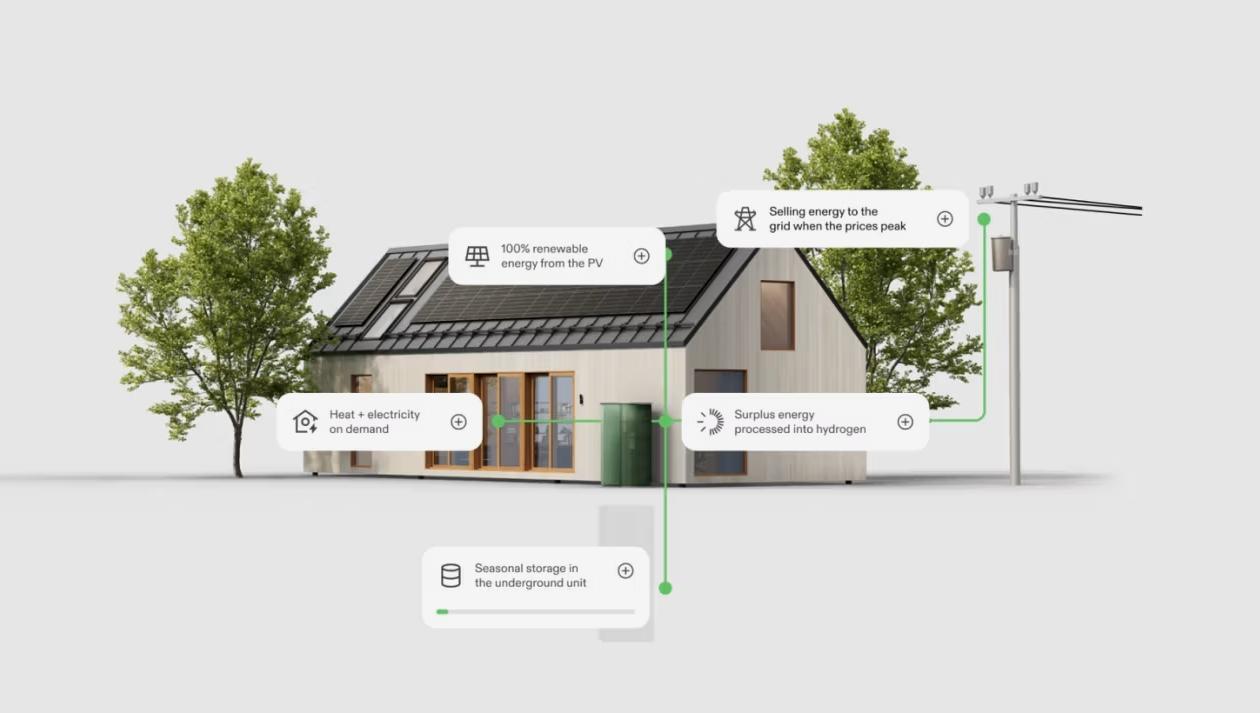
The process begins with a hydrogen generator integrated with solar panels. When solar energy exceeds immediate demand, the system uses excess power to electrolyze water, producing hydrogen. Instead of releasing this gas into the atmosphere or storing it in pressurized tanks, the hydrogen is rapidly absorbed into a metal hydride matrix. The result is a stable, solid material that encapsulates the energy in a safe, compact format.
During winter, when energy demand spikes, the stored hydrogen can be reused by reversing the absorption process. This releases pure hydrogen gas, which can then be fed into fuel cells or turbines to generate electricity directly, effectively closing the loop on seasonal energy management.
Scaling Up: Infrastructure and Investment
Photoncycle has secured over $17.5 million in funding to catalyze mass production of this seasonal storage system. The funds primarily target establishing a production infrastructure capable of delivering 1.4 terawatt-hours (TWh) of capacity annually, enough to supplement energy needs for approximately 140,000 homes at peak capacity.
This initial phase focuses on deploying an industrial-scale plant that will manufacture solid-state hydrogen storage units compatible with existing renewable energy setups. The factory aims to be operational by 2027, marking a significant milestone in turning this technology from a laboratory concept into a commercial product.
Technological Advantages and Environmental Impact
The solid hydrogen storage approach presents multiple advantages. Firstly, it greatly enhances safety, eliminating concerns associated with high-pressure hydrogen tanks or cryogenic storage. The metal hydride systems are inherently stable and non-flammable, reducing risk in both industrial settings and residential applications.
Secondly, the scalability and cost-effectiveness of these systems surpass traditional solutions. Since the materials used are abundant and recyclable, lifecycle costs are minimized, and the environmental impact remains low. Additionally, the compact nature of solid-state storage reduces spatial footprints, making installation in urban or space-constrained environments feasible.
Furthermore, harnessing excess solar energy during summer minimizes fossil fuel dependence during colder months, directly contributing to carbon reduction efforts and energy independence. This model also empowers local communities by providing decentralized energy storage systems that interface seamlessly with existing grids.
Implementing a Subscription-Based Model
Photoncycle plans to introduce the storage units via subscription services rather than outright sales. This approach lowers the barrier for household and industrial players to adopt advanced energy storage technology, offering options that include solar panel installation, storage provisioning, maintenance, and energy market participation.
This integrated service model offers customers affordable, maintenance-backed access to cutting-edge energy solutions, fostering rapid adoption across diverse sectors. It particularly appeals to consumers in Danish markets, where energy prices are high, and there’s a significant push toward eliminating natural gas dependency for heating.
Potential Impact and Future Outlook
As the Danish government and European regulators push for clean energy transitions by 2035, this technology could play a pivotal role in accelerating the shift away from fossil fuels like natural gas. The proposed 140,000-unit capacity positions this solution as a major player in seasonal grid balancing, capable of stabilizing supply and demand fluctuations on a regional scale.
Additionally, the success of this model could inspire further innovations in energy storage, including hybrid systems that combine solid-state hydrogen with other renewable sources, creating a resilient energy infrastructure optimized for long-term storage and rapid deployment.
By effectively bridging seasons, Photoncycle’s system could transform the renewable energy landscape, making solar and wind power truly reliable and scalable, even in regions with significant seasonal variation. This breakthrough paves the way for more sustainable, self-sufficient energy ecosystems worldwide, emphasizing the importance of innovative storage solutions in achieving global decarbonization targets.