Imagine a morning where students don’t have to rush through frantic connections, missing classes because of unpredictable train schedules or tight transfer windows. This is no longer just an ideal but an actionable reality unfolding in Surrey, where transport authorities and local schools are teaming up to transform the way young learners navigate their daily journeys. The recent introduction of the “Golden Route” initiative at Weybridge station is set to redefine student commutes, making them more reliable, efficient, and less stressful.
In areas like Surrey’s Weybridge, the dependency on train services has historically posed a challenge for students, especially those attending schools such as Salesian College in Chertsey. The crux of the issue was simple yet critical: limited transfer times, often as short as five minutes, left many students stranded when trains were delayed or schedules shifted unexpectedly. These delays not only caused missed lessons but also a domino effect of stress and missed academic opportunities. Recognizing this persistent problem, rail providers and local authorities devised a groundbreaking plan to enhance connectivity, emphasizing flexibility and customer-centric scheduling.
Introducing the Golden Route: Flexibility Meets Reliability
The “Golden Route” employs a strategic approach where trains arriving at Weybridge are allowed an intentional, short delay—up to five minutes—to enable students and other travelers to complete their connections comfortably. Unlike rigid timetables that prioritize punctuality over practicality, this new method values the human element, understanding that minor delays can prevent larger disruptions for passengers who depend on seamless transfers.
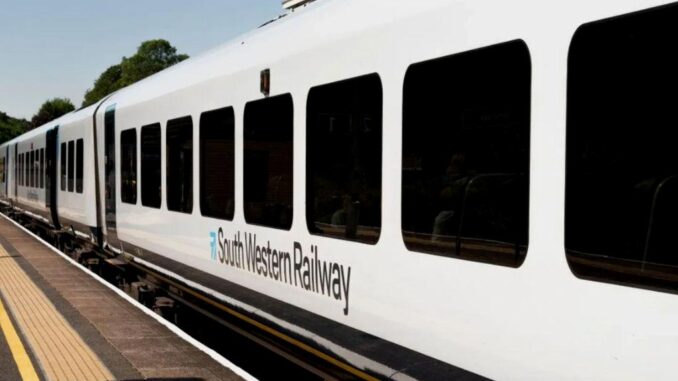
Implementing this requires meticulous planning and close coordination between train operating companies like South Western Railway (SWR) and network management entities. They analyze peak times, station layouts, and passenger flow patterns to determine optimal delay windows, ensuring minimal impact on overall service schedules while maximizing passenger benefit. This proactive approach demonstrates a shift from traditional, rigid scheduling toward adaptive operations tailored specifically for schoolchildren and daily commuters.
Impact on Students and Local Education
The benefits of the Golden Route extend beyond mere convenience. For students preparing for crucial exams such as GCSEs or A-levels, punctuality in transportation directly correlates with academic performance. By reducing uncertainty, the initiative helps foster a calmer, more focused start to the day. Parents have reported feeling a significant relief, no longer needing to set multiple alarms or arrange for extra car transportation just to ensure their children arrive on time.
Moreover, the program aligns with Surrey’s broader efforts to promote sustainable transportation. Encouraging more students to opt for train travel reduces road congestion and lower emissions, contributing positively to environmental goals. Schools are increasingly incentivizing walking, cycling, and public transit, with transportation reliability being a critical factor driving behavioral change.
Infrastructure Developments Supporting the Golden Route
The success of this innovative scheduling also depends heavily on infrastructure investments. SWR, in collaboration with Network Rail, has undertaken significant upgrades, including:
- High-capacity trains: The introduction of Arterio trains, designed for higher passenger volume and speed, ensures quick and comfortable transit, minimizing delays caused by overcrowding or technical issues.
- Advanced signaling systems: The £129 million upgrade between Farncombe and Petersfield enhances line capacity and reduces the risk of bottlenecks, supporting more flexible scheduling like the Golden Route.
- Station improvements: Modernized Weybridge station now features enhanced platforms, clearer signage, and improved waiting areas, all designed to streamline transfers for students and improve overall station accessibility.
These infrastructure enhancements create a resilient backbone that supports the adaptive timetable adjustments, ensuring the Golden Route’s reliability sustains long-term benefits.
Stakeholder Reactions and Community Feedback
Local stakeholders have warmly welcomed these changes. Monica Harding, Surrey’s Member of Parliament, praised the initiative as a “game-changer” for student mobility. Similarly, Paul Gower, the head of a local school, highlighted how the program reduces stress and absenteeism, allowing students to focus more on their studies than on transportation chaos.
Parents have also voiced their approval, emphasizing that the reconfigured schedules give them peace of mind. Many mention that their children now arrive at school more alert and prepared, free from the rush and anxiety of hurried connections.
Future Prospects and Expanding the Model
The success of the Golden Route in Surrey sets a precedent for similar initiatives nationwide. By demonstrating how minor timetable adjustments combined with infrastructure investments can drastically improve user experience, transport authorities are encouraged to explore adaptable scheduling models in other regions. This model also aligns with smarter transportation policies leveraging real-time data and predictive analytics to anticipate delays and adjust services dynamically.
Furthermore, ongoing technological integrations, such as real-time passenger information apps and automated delay notifications, will enhance passenger experience, making commutes even more seamless. As the Golden Route becomes more entrenched, it could serve as a blueprint for innovative, commuter-focused rail services that prioritize human needs over outdated schedules.