
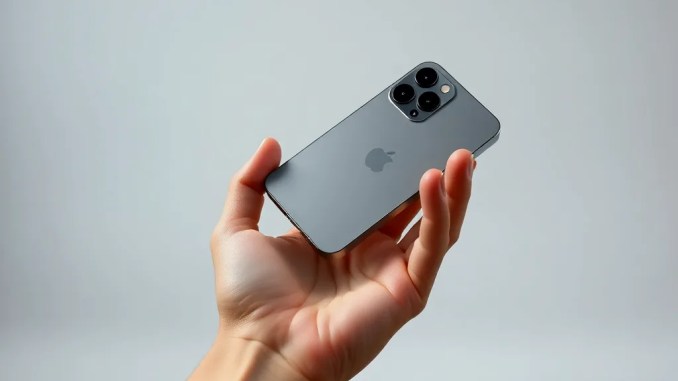
iPhone 18 Overview and Promotion Timing
Apple will stagger the releases: iPhone 18 Pro and Pro Max lead, while iPhone 18, iPhone 18e, and iPhone Air 2 follow. Leaks outline screen sizes, chip choices, and camera layouts. Official launch dates remain unconfirmed, and market chatter expects upward price pressure.
iPhone 18: Screen, Performance and Camera Details
The iPhone 18 targets users who want a balanced flagship experience. It uses a 6.3-inch OLED panel with a 120Hz refresh rate for smoother UI interactions and motion. Design retains the Dynamic Island, keeping front sensor placement consistent with recent models. Apple plans the A20 SoC for this model; expect improved single-core performance and energy efficiency that should extend usable battery life under real-world loads.
Camera hardware centers on a 48MP main sensor paired with a secondary lens. The most likely combos are wide + telephoto or wide + ultra-wide. Pixel-binning will boost low-light performance and provide a robust foundation for 4K/8K-capable video pipelines. Reported battery capacity increases compared with the previous generation to offset the higher-refresh display.
iPhone 18e: A More Affordable Option?
The iPhone 18e aims for price-conscious buyers who still want modern core features. It should ship with a 6.12-inch OLED display capped at 60Hz; that choice reduces component cost and can increase screen-on time. The handset will likely use the A20 chip and employ a 48MP primary camera, giving similar photographic results to the standard iPhone 18 aside from frame-rate-dependent UI smoothness and possible material differences in the chassis.
iPhone Air 2: Large Screen, Subtle Differences
iPhone Air 2 positions itself as the large-screen, lightweight option. Expect a 6.55-inch 1.5K OLED display with 120Hz refresh, tuned for media and gaming. Apple can emphasize thin bezels, weight reduction through aluminum or composite frames, and thermal/power optimization to keep the device comfortable for extended use. Where Air 2 distinguishes itself most is screen real estate with a design that prioritizes portability over Pro-grade features.
Hardware and Software Compatibility: What Does the A20 Processor Offer?
A20 should introduce measurable gains in power efficiency and on-device AI accelerators for improved photo processing, computational video tasks, and system-level power management. With optimized iOS updates, the same SoC across multiple models allows Apple to tune performance-region behaviors: aggressively throttling under thermal stress for lighter models and sustained peak for higher-tier units. Expect concrete user-facing benefits in multi-app switching, camera computational photography, and battery life during mixed usage.
Battery, Endurance and Real World Usage
All three models reportedly receive increased battery capacities. In practice, battery life depends on refresh rate, background activity, network conditions, and temperature. Example scenario: on 120Hz with streaming video and social apps active, the iPhone 18 could show a mid-double-digit percentage improvement in day-long endurance versus its predecessor due to A20’s efficiency gains and the larger battery — exact figures await testing.
Design and Material Expectations
Dynamic Island’s retention signals design continuity with minor refinements. Expect consistent front-face aesthetics, narrow side profiles, and updated colorways. Air-class devices may favor lighter alloys or composites; standard models may keep glass-and-metal construction. These choices affect perceived heft, signal performance, and thermal dissipation.
Pricing and Market Position
Delays may push prices upward for the base iPhone 18. Apple appears to broaden its lineup: iPhone 18e targets value-oriented buyers, the standard iPhone 18 covers mainstream flagship needs, and Air 2 matches users who prioritize screen size without paying Pro premiums. Those segments allow Apple to defend market share across price tiers.
Frequently Asked Questions (People Also Ask) – Short Answers
What size screen will the iPhone 18 have? The iPhone 18 should include a 6.3-inch OLED display.
How does iPhone 18e differ from iPhone 18? The primary difference will be a 60Hz panel on the 18e versus 120Hz on the iPhone 18, plus likely small material and dimension changes.
Why is iPhone Air 2 important? Air 2 blends a 6.55-inch 1.5K OLED and 120Hz refresh in a lightweight package, offering a large-screen option without Pro-level cost.
Buying Guidance: Which Model Should You Choose?
Choose iPhone 18 if you want a balanced flagship with high refresh rate and improved battery life. Pick iPhone 18e to prioritize cost while retaining modern chips and a 48MP camera. Opt for iPhone Air 2 when you value a larger display for media and multitasking but do not need Pro features. Final purchase decisions should wait for official battery capacities, storage tiers, and US/region pricing at launch.







Be the first to comment