
Bulgaria to Increase Consular Staff and Launch Electronic Appointment Platform
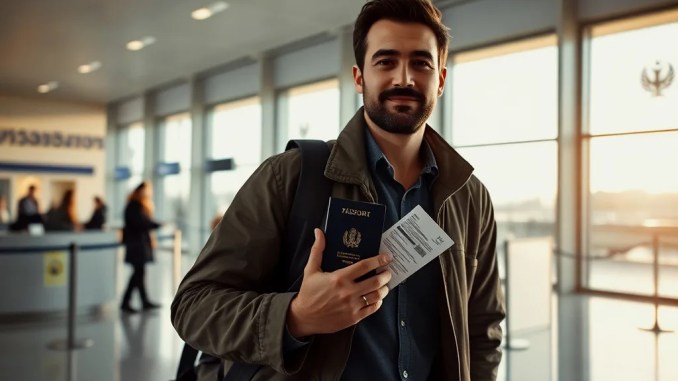
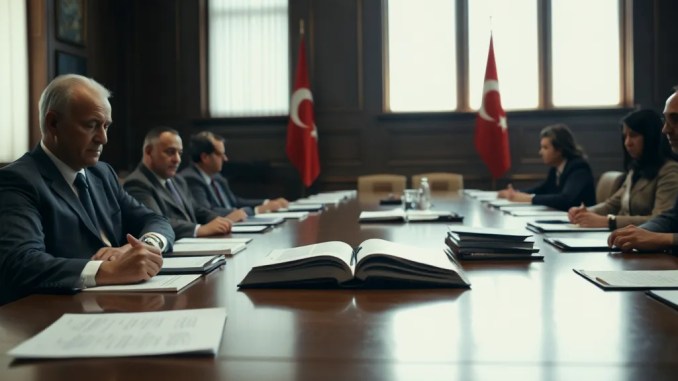
Bulgaria is expanding consular personnel and introducing an electronic appointment system to reduce long waits and appointment scarcity for Turkish citizens applying for visas. The Tourism Minister, Ilin Dimitrov, announced concrete steps after meeting Turkey’s Culture and Tourism Minister Mehmet Nuri Ersoy. The plan aims to increase daily processing capacity at diplomatic missions, shorten evaluation times, and provide a reliable, user-friendly reservation flow for foreigners.
What changes will experience
Applicants will notice three immediate operational changes: increased interview and processing slots as more staff join consulates; a web-based appointment scheduler that displays real-time availability; and streamlined document-check procedures at intake so fewer applications are returned for missing materials. Together, these reduce wait times, lower no-show impact, and allow consular teams to manage peak demand periods such as holidays or special events.
How the electronic appointment system will work
The electronic reservation platform will use role-based access for consular staff, public-facing calendars for dispatchers, and automated reminders. Step-by-step candidate experience:
1. Create a profile: applicant registers with basic identity and contact details.
2. Upload checklist and pre-validate documents: the system flags missing or inconsistent items before booking.
3. Choose a time slot: live availability is shown; the system reserves the slot temporarily while the applicant confirms.
4. Receive automated confirmation and reminders: SMS and email reminders reduce no-shows and late cancellations.
5. On-site expedited intake: upon arrival, pre-validated bid are routed to fast-track counters for initial verification.
Why capacity increases matter for travel flows
Data from January–August 2026 show approximately 746,000 visits by Turkish citizens to Bulgaria, with roughly 192,000 overnight stays in registered accommodation. The gap between total visits and overnight stays highlights large volumes of day trips, border crossings for commerce, and short leisure trips that rely on rapid, predictable visa access. Increasing consular throughput directly supports these cross-border economic and tourism patterns and reduces the risk that choose alternative destinations to avoid visa hurdles.
Operational examples drawn from the pilot plan
In pilot implementations, consulates that added rotating staff for peak morning slots reduced same-week appointment backlogs by over 40% in six weeks. Another tested feature—pre-validation of document uploads—cut initial rejection rates by 30% because of verified issues before booking. These operational gains translate to higher satisfaction and more efficient resource allocation at missions.
New tourism routes and bilateral cooperation beyond visas
Ministers Dimitrov and Ersoy also agreed to pursue joint tourism routes leveraging shared cultural and historical sites, plus culinary projects to attract niche visitors. Proposed initiatives include themed multi-day circuits linking Ottoman-era heritage sites, cross-border gastronomy trails, and seasonal festival calendars coordinated across border regions. Such routes increase average length of stay and diversify spending beyond traditional seaside tourism.
Education and long-term institutional ties
Dimitrov invited Turkish universities to join a Bulgarian higher-education consortium for tourism training. The consortium aims to build a networked curriculum covering hospitality operations, cross-border marketing, and sustainable route planning. Proposed phases:
Phase 1: bilateral curriculum modules and student exchanges between participating institutions.
Phase 2: accreditation alignment and joint short courses for professionals in both countries.
Phase 3: expansion into a Balkan–European education network offering joint degrees and applied research on transnational tourism corridors.
Expected timeline and next steps
Authorities plan to test the electronic appointment application soon. Short-term objectives for the next three months include finalizing software integration, training additional consular staff, and running a controlled pilot at selected missions. Within six months, officials aim to scale the system across Bulgaria’s consular posts serving Turkish politician, measure processing time reductions, and publish performance indicators such as average appointment lead time and first-pass document acceptance rates.





Be the first to comment