
Two functions with one button: How will it work?
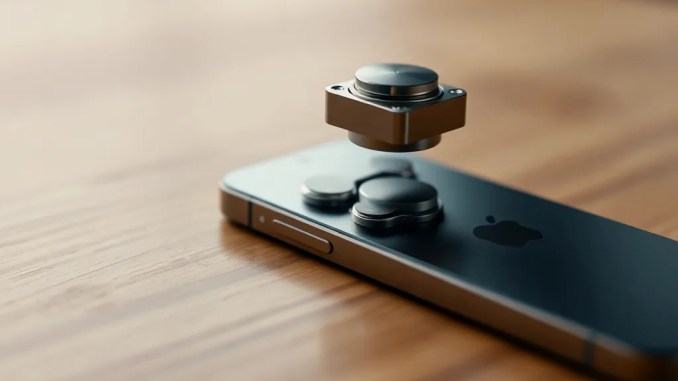
According to claims tested by Apple, the Camera Control button will handle two separate functions through a single physical control: a short press to instantly open the Camera app, and a long press to trigger a shortcut previously assigned to the Action button by the user. This approach reduces the number of physical buttons while allowing users to maintain customization options. Hardware press duration detection sensitivity and software press type discrimination logic (debounce, long-press threshold) must be carefully optimized.
Why might Apple consider reducing the number of buttons?
Reducing the number of physical buttons lowers manufacturing costs, simplifies assembly processes, and reduces failure points. Simplifying mechanical components, capacitive sensors, or separate circuit paths reduces part costs and manufacturing time. Furthermore, offering multiple functions with a single button makes the device’s side design more symmetrical and facilitates the optimization of waterproof seals; These changes could significantly impact total cost in high-volume production.
How will Visual Intelligence be affected?
Allegedly, Visual Intelligence will not be affected because with iOS 27, this feature can be directly integrated into the Camera app. Thanks to integration, functions such as text scanning, scene recognition, and object information can be presented as automatic layers within the app; the user accesses these analyses without needing a physical trigger. This reduces reliance on physical buttons, especially for quick content capture and immediate information needs, and simplifies the user flow.
How will removing the action button change the user experience?
Removing the action button has both gains and adjustment costs for the user experience. The single-button long-press approach maintains similar flexibility in most use cases, but may require a change in habits. Advantages include a lower risk of physical malfunction, a simpler side-by-side design, and software-expandable functionality. Disadvantages include the difficulty of meeting the expectation of a quick single-touch and the risk of confusion with long presses in multiple assignments; Software tolerance and haptic feedback offer a solution.
How can it be tested and rolled out gradually?
Apple can roll out these kinds of hardware-software changes in a phased way: first, distribute the software long-press logic in the iOS beta channel, adjust the threshold and haptic profiles according to beta telemetry, then simplify the capacitive layers in the new hardware and enter the PVT (Production Validation Test) phase. Example step-by-step plan:
1) Activate the long-press logic with iOS beta.
2) Collect telemetry from 10,000+ beta users (false trigger rate, usage frequency, satisfaction).
3) Adjust the threshold and haptic feedback profiles.
4) Implement PVT with limited production; conduct field tests.
5) Conduct a general launch.
iPhone 2027 models: Naming and calendar implications
Claims suggest that the top segment of iPhone 2027 could be named “iPhone 19 Pro” or “iPhone 20 Pro”. For hardware changes to be ready for the launch in the second half of 2027, supply chain, part approval processes, and certifications will require tight coordination. If the timing of changes is delayed, the transition period can be extended with software-only solutions.
Similar design moves and examples
The approach of giving multiple functions with a single button has been seen in past examples such as headphone controls or physical controls on smartwatches. Success factors are clear haptic feedback, rapid user training, and in-software visual guidance. Apple can make it easier for users to quickly adapt to new behaviors with haptic feedback and short on-screen cues. Example: a user opens the camera with a short press, assigns a long press to the flashlight; A brief animation or haptic pulse on the screen confirms the correct operation.
Frequently Asked Questions (People Also Ask) — Clear Answers
When was the Action button introduced? The Action button was first introduced in 2023 with the iPhone 15 Pro series.
When will this change take effect? Rumors point to the second half of 2027; there is no official confirmation.
Will the Camera Control button be insufficient for all users? The right software design and haptic feedback can provide an equivalent or better experience for most users; heavily customizing users may experience a learning curve.
Conclusion: What to expect?
A single-button, multi-functional approach reduces hardware costs and simplifies the side panel design; success depends on correctly setting the long-press threshold, providing sufficient haptic/visual feedback, and the ease of software adaptation. The final implementation will become clearer as user behavior and production data are revealed.









Be the first to comment