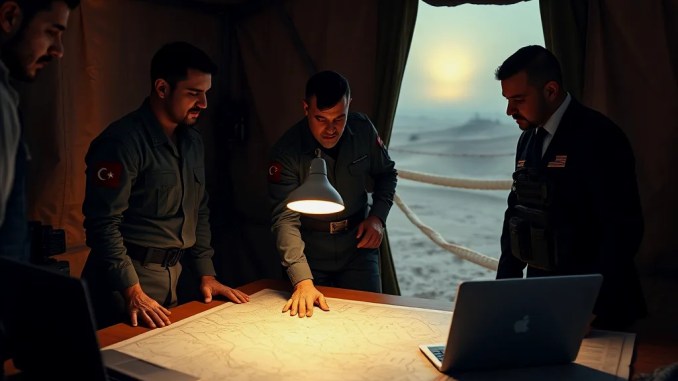
The tension-ridden waters of Hormuz Bay, a pivotal artery for global oil and LNG shipments, could soon experience a significant shift. Recently, increased diplomatic efforts signal a potential easing of the months-long shipping crisis, promising a more predictable passage through one of the world’s most strategic maritime choke points. With regional powers like Oman and Iran leading the charge, and high-stakes negotiations are ongoing, this development could reshape energy flows and regional security dynamics. Understanding the Significance of Hormuz Strait Hurmuz Strait, connecting the Persian Gulf to the Gulf of Oman, is one of the most critical maritime routes globally. Approximately 20% of the world’s oil and a significant portion of natural gas pass through this narrow corridor annually. Its strategic importance makes any disruption or instability a matter of global concern, directly impacting energy prices and economic stability. Current Crisis and Its Ripple Effects Since early this year, shipping through Hormuz has faced renewed threats—militarization, vessel seizures, and increased military presence have raised concerns among international shipping companies and governments. These tensions threaten to increase shipping costs, delay energy shipments, and destabilize global markets. The Push for a Temporary Navigational Corridor Amid these tensions, Iran and Oman have initiated talks aimed at establishing a temporary transit corridor. This innovative approach seeks to create a safe, predictable route—a ‘green lane’—that ships can rely on, minimizing risks of conflict or interception. Key aspects include: – Coordinated Navigation: Both nations coordinate vessel movements to avoid collisions and misunderstandings. – Shared Maritime Information: Real-time sharing of maritime data to enhance situational awareness. – International Oversight: Involvement of neutral entities or international organizations to oversee the corridor’s operation. Step-by-Step Process to Establish the Corridor 1. Negotiation Phase: Iran, Oman, and regional allies negotiate terms, focusing on safety, security, and sovereign concerns. 2. Technical Planning: Technical teams define precise route coordinates, signal protocols, and emergency procedures. 3. Pilot Runs: Initial dry runs test the corridor’s effectiveness and identify necessary adjustments. 4. Official Launch: Formal implementation with ongoing monitoring and evaluation. Regional and Global Implications Creating a secure transit route would send a message of resilience and cooperation in the Gulf, potentially discouraging militant or disruptive behavior. Furthermore, it could serve as a template for future maritime security arrangements, fostering stability in an otherwise volatile region. How Does This Affect International Markets? A functioning, stable corridor can substantially reduce insurance costs, accelerate shipment times, and bolster energy security for consuming nations. It could also pressure other regional actors to de-escalate tensions, knowing that a diplomatic solution exists. Potential Challenges and Future Outlook Despite promising negotiations, several hurdles remain: – Geopolitical Rivalries: US-Iran tensions could impede progress, with each side wary of strategic concessions. – Trust Deficit: Deep mistrust necessitates transparent, multilateral guarantees. – Legal and Sovereign Issues: Navigating the legal frameworks for an international maritime corridor demands careful diplomacy. Looking ahead, the success of this initiative hinges on sustained diplomatic engagement, regional willingness to cooperate, and careful management of broader political tensions. Conclusion The upcoming negotiations in Salalah, prioritizing a temporary navigational corridor, mark a critical turning point. If successful, they could mitigate risks, stabilize energy markets, and lay groundwork for long-term peace and security in the Persian Gulf. This diplomatic effort not only addresses immediate threats but also sets a precedent for conflict resolution and maritime cooperation in one of the world’s most geopolitically sensitive regions. — FAQs: Q: What is the primary goal of the new diplomatic negotiations in the Persian Gulf? A: The primary goal is to establish a *temporary safe transit corridor* through Hormuz Strait to facilitate secure and predictable maritime navigation amid ongoing tensions. Q: How could this initiative impact global energy markets? A: By ensuring smoother, safer passage for energy shipments, it reduces shipping delays, insurance costs, and volatility price, stabilizing global energy supplies. Q: What are the main obstacles to implementing this transit corridor? A: Key challenges include geopolitical mistrust, US-Iran tensions, legal sovereignty issues, and the need for multilateral oversight. Q: Can this temporary corridor lead to a permanent solution? A: Potentially, yes. If the corridor demonstrates stability and mutual benefit, it could pave the way for more comprehensive, long-term arrangements. Q: How does regional cooperation influence the success of such initiatives? A: Regional cooperation fosters trust, ensures accountability, and helps integrate diverse security interests, increasing the likelihood of sustainable success. This detailed overview covers the core aspects of recent diplomatic efforts aimed at stabilizing maritime navigation through Hormuz Strait. Through strategic negotiations and international cooperation, there is hope for a resilient, functional solution that benefits global energy security and regional stability.