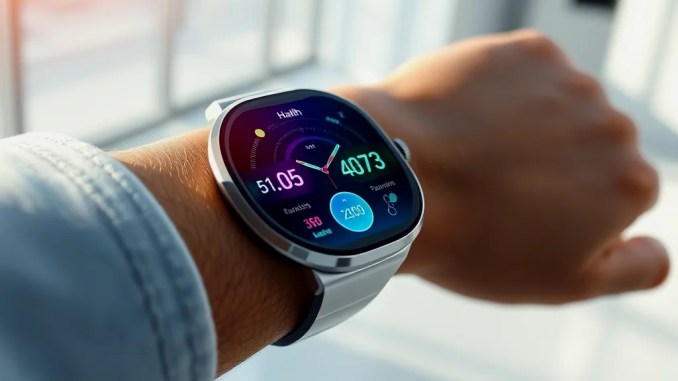
Imagine having a personal health assistant that not only tracks your vital signs but actively guides your daily wellness decisions, predicts potential health issues before they escalate, and provides actionable insights tailored specifically to you. Apple’s latest health app update transforms this vision into reality. By seamlessly integrating data from your Apple Watch, iPhone, and lab results, this innovative system empowers you with precision health insights rooted in artificial intelligence, all while safeguarding your privacy. ### Unlocking the Power of Multi-Source Data Collection Apple’s health app now aggregates a wide array of biometric and behavioral data, leveraging advanced algorithms to analyze your health status continuously. The collection process involves real-time data from sensors embedded in Apple devices—such as heart rate, HRV, VO2max estimates, sleep cycles, activity levels, and auditory exposure—combined with manually entered information like lab test results. This multi-layered data collection streamlines the traditionally complex health monitoring process, delivering comprehensive, personalized health insights with minimal effort on your part. Because all processing occurs locally on your device, your data remains private and secure. ### Personalized Health Age: Not Just a Number One of the most promising features is the “Health Age” metric. Instead of focusing solely on your chronological age, this indicator reflects your overall health status by comparing your biometric data against population norms. For instance, if your resting heart rate, sleep quality, and metabolic indicators suggest your health is comparable to that of someone ten years younger, the system might report a “younger” health age. Conversely, deviations from optimal ranges—like elevated LDL cholesterol or irregular sleep patterns—could increase your health age, signaling the need for targeted lifestyle changes or medical consultation. This dynamic metric helps you understand how your daily habits influence your longevity and quality of life. ### Daily Guidance Through “Preparation” Recommendations The app discerns your current state through continuous data analysis and offers real-time daily advice to optimize your health trajectory. Instead of vague suggestions, it delivers actionable steps: – If your heart rate variability drops and your sleep quality declines, it might advise *rest and recovery today*. – If your activity levels are subpar and your metabolic indicators remain stable, it encourages *moderate exercise, like brisk walking or cycling*. – When your biometric trends are positive, the system suggests *maintaining your routine or gradually increasing intensity*. This approach guarantees that your daily choices are informed by precise, individualized data, converting passive health tracking into active health management. ### Intelligent Integration of Lab Results Laboratory tests—such as fasting blood glucose, cholesterol, or HbA1c—play a critical role in understanding chronic disease risks. The upgraded app allows users to input lab results manually, which the system then analyzes in conjunction with sensor data to provide a comprehensive health overview. For example, if your glucose levels are trending upward over repeated tests, but your activity and sleep metrics are stable, the app might propose specific interventions like dietary modifications or increased physical activity. This proactive integration shifts health management from reactive to preventative. ### Step-by-Step Strategies to Maximize Benefits 1. Set Up Your Profile Correctly: Ensure your initial health assessment includes accurate age, medical history, current medications, and recent lab results. Precise input ensures that the algorithms generate valid insights. 2. Enable All Relevant Sensors and Permissions: Allow the app access to heart rate, sleep, activity, and microphone data. Proper permissions enable the app to gather high-quality information. 3. Monitor “Health Age” Trends Regularly: Track changes over weeks or months to assess the impact of lifestyle adjustments. Use this feedback to refine your habits. 4. Follow Daily “Preparation” Recommendations: Implement the suggested actions—rest, activity, or a balanced approach—to align with your health goals. 5. Use Lab Data Effectively: Input lab results as they become available, and pay attention to the system’s insights on how they relate to your biometric trends. 6. Engage with Physical and Functional Tests: Periodically perform guided assessments for flexibility, strength, balance, and mobility. These metrics add vital information to your overall health profile. ### Real-World Application: The 45-Year-Old Office Worker Scenario Consider a typical office worker near his mid-forties, who spends most of his day seated and has irregular sleep habits. Lab tests reveal slightly elevated LDL cholesterol levels. The app detects low daily step count, declining HRV, and suboptimal sleep quality. By analyzing this data, it suggests short daily walks (three times ten minutes), twice-weekly moderate aerobic sessions, and a fixed sleep schedule. Over time, these simple interventions can markedly reduce cardiovascular risk, improve sleep, and decrease health age. Tracking these metrics demonstrates tangible benefits, motivating consistent commitment. ### Understanding the Limitations and Ensuring Safe Use While Apple’s system offers extraordinary insights, it functions as a complement—not a replacement—for medical advice. Algorithms rely on population data and may not account for rare conditions or sudden health changes. It’s crucial to consult healthcare professionals regularly and consider the app’s warnings as supplementary, not definitive. Sensor accuracy can vary due to device placement, environmental factors, or user compliance. Persistent abnormal readings or symptoms warrant prompt medical evaluation. ### What’s Next? Availability, Languages, and Broader Impact Apple plans to launch this enhanced health app in multiple languages, beginning with English. As the technology matures, expect expanded features, deeper integration with healthcare providers, and more actionable insights. The focus remains on empowering individuals to take control of their health, armed with data-driven intelligence framed within a privacy-centered design. ### Final Thoughts This new Apple health app transforms passive activity logs into an active health management system rooted in personalized AI analysis. It guides daily decisions, predicts potential issues, and sets the stage for a proactive, informed approach to wellness. By understanding your unique biometric and lab data, you gain the power to improve your health outcomes meaningfully—making each day an opportunity for better living. ## FAQs Q: Can I rely solely on this app for my health decisions? A: No. It provides valuable insights and guidance but should complement professional medical advice for comprehensive care. Q: How accurate are the biometric measurements? A: The app’s accuracy depends on sensor quality, device placement, and user compliance. It’s best used as a trend indicator rather than a definitive diagnostic tool. Q: How often should I update my lab results? A: Ideally, every 3-6 months, or as recommended by your healthcare provider, to monitor changes and adapt your health plan. Q: Is my data private? A: Yes. Apple processes all sensitive data locally on your device, ensuring high privacy standards, and only shares information you explicitly authorize. Q: When will this feature become available? A: Apple is rolling out updates gradually, initially in English in the coming months, with expansions to other languages and regions planned later.