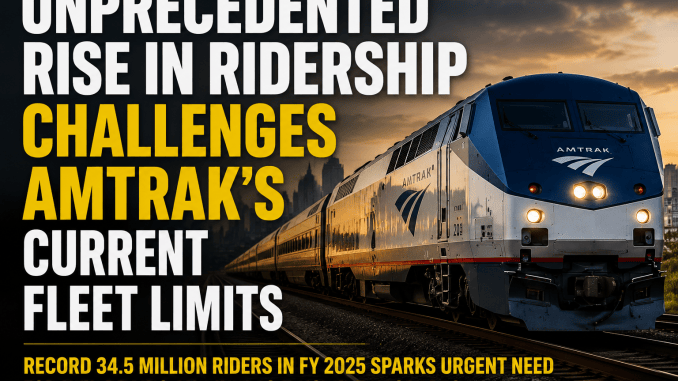
Unprecedented Rise in Ridership Challenges Amtrak’s Current Fleet Limits
Amtrak has reported a remarkable milestone in its 2025 fiscal year, transporting a record-breaking 34.5 million passengers. This surge in demand underscores a vibrant renaissance in intercity rail travel across the United States, fueled by increased awareness of sustainable travel options and improved service offerings. However, this surge significantly strains Amtrak’s aging railcar fleet and infrastructural capacity, necessitating swift and strategic expansion of its trainsets.
The Growing Demand for Intercity Rail Services
The 5.1% year-over-year increase in ridership reflects shifting traveler preferences. Commuters and leisure travelers alike seek faster, more comfortable, and environmentally friendly alternatives to automobiles and flights. Amtrak’s expansion aligns with broader national goals of reducing carbon emissions and easing highway congestion. Despite this growth, existing limitations hinder Amtrak from scaling fleet operations to meet demand, prompting urgent investments in new trains and upgrades.
Strains on the Existing Fleet and Maintenance Challenges
The aging Venture coaches and Charger locomotives face escalating maintenance issues, driven by increased utilization. Illinois’ Amtrak services, in particular, encounter frequent delays caused by component failures and frequent repairs. Mississippi’s Jackson yard has already replaced multiple wheelsets, underscoring the burden on maintenance facilities and highlighting the need for more modern, reliable rolling stock.
Such issues not only disrupt schedules but also threaten safety and passenger comfort, emphasizing why fleet modernization is a critical strategic priority for Amtrak now more than ever.
Introduction of Airo Trains: The Mid-Term Solution
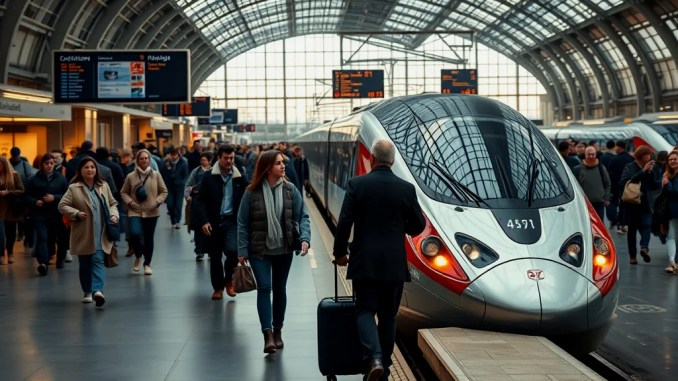
Amtrak has committed to a phased deployment of 83 Airo trainsets designed specifically for short to medium-distance routes. These trains aim to replace older Amfleet I cars and Metroliner sets, drastically improving capacity, speed, and passenger amenities. The Airo trains feature state-of-the-art technology, including advanced safety systems, enhanced onboard comfort, and streamlined operations, effectively bridging the gap until the full NextGen fleet is operational.
Manufacturers are on a strict timeline — the first batch of Airo trains, intended for Cascades routes, should complete production by 2026. The initial trains are already undergoing rigorous testing, and, crucially, the first units are scheduled to begin service by the end of this year, showcasing Amtrak’s commitment to quick fleet renewal.
NextGen Acela: Elevating High-Speed Rail Capacity
The NextGen Acela trains position Amtrak as a pioneer in high-speed rail innovation. With an ambitious plan to introduce 28 new trainsets by 2027, these trains will offer up to 27% more capacity per trip, directly addressing congestion on the vital Northeast Corridor.
Already operational since August 2025, the NextGen Acela trains set new standards in passenger comfort, with spacious seating, improved Wi-Fi, and advanced climate control. The initial batch of 13 units capable of higher speeds also reduces travel time, making Amtrak’s service more competitive against airlines and driving further ridership growth.
Phased Rollout and Impact on US Rail Infrastructure
This strategic fleet expansion involves meticulous planning and phased implementation. As new trains enter service, Amtrak plans to gradually retire some of its oldest units, balancing capital expenditure with operational efficiency. The phased approach ensures minimal disruption while maximizing benefits, including increased schedule frequency and higher service reliability.
Furthermore, the high-capacity trains contribute to regional economic growth by facilitating more reliable commuter and tourist transit, especially in high-density corridors. This ongoing upgrade underscores Amtrak’s transformation into a modern, resilient transportation enterprise capable of accommodating future growth.
The Future of Intercity Rail Travel in America
With the combined leverage of next-generation trains, new trainsets, and infrastructure upgrades, Amtrak is on the cusp of a rail renaissance that could redefine intercity travel in the United States. This comprehensive fleet renewal ensures the agency can serve a broader passenger base, deliver faster, safer, and more comfortable journeys, and significantly cut carbon emissions.
In essence, this bold move not only addresses current capacity crunches but also strategically positions Amtrak as a leader in sustainable and innovative transportation, setting a standard for similar initiatives nationwide.