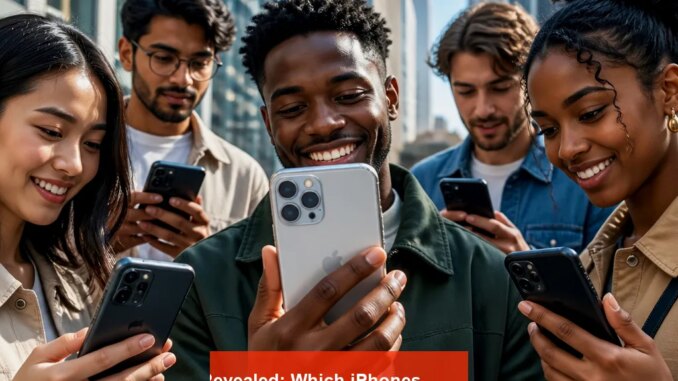
Major shifts are underway in the mobile landscape, and the demand for iPhone is surging at an unprecedented rate. Data from the first quarter of 2026 reveals an explosive trend: Android users are making a decisive switch to iOS, driven not just by hardware specs but by the compelling power of the Apple ecosystem. This movement is reshaping market dynamics, user behaviors, and brand loyalty in profound ways. If you haven’t yet considered this transition, understanding the intricate reasons behind this migration can position you ahead in the next wave of mobile innovation.
Why Are Android Users Flocking to iPhone in 2026?
According to recent surveys conducted by Consumer Intelligence Research Partners (CIRP), approximately 12% of new iPhone buyers in Q1 2026 previously used Android devices. This is not a marginal shift; it signifies a fundamental change in what users value most. The reasons extend beyond mere hardware improvements, delving deep into the ecosystem experience advantages, seamless connectivity, and user integration offered by Apple.
What Demographic Is Fueling This Transition?
Analysis reveals that the typical Android-to-iPhone switcher in 2026 is often a tech-savvy professional aged 25-45, seeking *more than just a device*. They prioritize security, software updates, and seamless integration with other devices like Macs, iPads, and Apple Watch. Interestingly, a significant portion of these users are from regions where Android dominance has traditionally been strong, such as Southeast Asia and Eastern Europe, reflecting a global shift in smartphone loyalty.
The Key Factors Driving the Switch
- Enhanced Ecosystem Benefits: FaceTime, iMessage, iCloud, and AirDrop create an interconnected experience unavailable on Android. For instance, users report that transitioning their family’s communication to FaceTime simplifies group calls and media sharing, making Android’s fragmented alternatives seem less appealing.
- Superior Security and Privacy: Apple’s rigorous security protocols and consistent software updates provide peace of mind, especially amidst rising concerns over data privacy and cyber threats. Enterprises are increasingly favoring iOS for these reasons.
- Regular & Timely Software Updates: Unlike Android, where updates depend on device manufacturers and carriers, Apple rolls out updates simultaneously to all compatible devices. This consistency enhances device longevity and reliability.
- Hardware-Software Optimization: The tight integration ensures that devices like the iPhone 15 Pro Max run smoothly and efficiently, even under intensive use. Such optimization results in better battery life, faster performance, and superior camera capabilities, which are critical in today’s content-driven environment.
Which iPhone Models Are Most Popular Among Switchers?
| Model | Market Share Among Android-to-iPhone Transfers | Key Reasons |
|---|---|---|
| iPhone 16 / 16 Plus | 17% | Budget-friendly entry point, reliable performance |
| iPhone 17 Pro Max | 25% | Premium features, top-tier camera, and processing power |
| iPhone 16e | 9% | Affordable option with essential features |
How Is Apple Facilitating This Transition?
Apple has simplified the switch process by launching comprehensive tools such as “Move to iOS” and enhancing its data migration capabilities. These enable users to transfer contacts, photos, videos, and even certain app data effortlessly, reducing barriers for Android users hesitant about losing valuable content. Additionally, Apple’s ecosystem promotion, including the integration of iMessage and FaceTime, incentives users to stay within the Apple environment after their initial switch.
Step-by-Step: How an Android User Can Transition Smoothly to iPhone in 2026
- Backup existing data: Use cloud services or local backups to secure contacts, media, and app data.
- Download & install “Move to iOS” app: Initiate data transfer during the iPhone setup process to migrate contacts, message history, photos, and more.
- Set up your Apple ID: Use the same email or create a new one to sync and access all Apple services seamlessly.
- Reinstall essential apps: Access your app store to download the applications important for your daily routines, and validate your subscriptions.
- Configure settings: Customize privacy, notifications, and display preferences. Enable iMessage and FaceTime for uninterrupted communication.
- Test and adapt: Explore your new device’s features and get accustomed to iOS’s interface, leveraging tutorials if necessary.
Impacts on the Mobile Market and How Manufacturers Are Responding
This migration trend signifies a critical turning point: ecosystem lock-in is more influential than ever. Apple’s ability to deliver a seamless, integrated experience compels users to stay once they make the switch. Manufacturers like Samsung and Google are accelerating their ecosystem strategies, introducing cross-platform services, and refining cloud integration to counteract this shift.
In conclusion, the 2026 surge in iPhone adoption among Android users stems from a broad array of factors—security, ecosystem integration, and device performance—making the iPhone not just a premium hardware choice but a complete digital lifestyle upgrade. Understanding these trends helps consumers and competitors navigate an increasingly converged and competitive mobile ecosystem.