Revolutionizing Aerial Defense with AI Integration
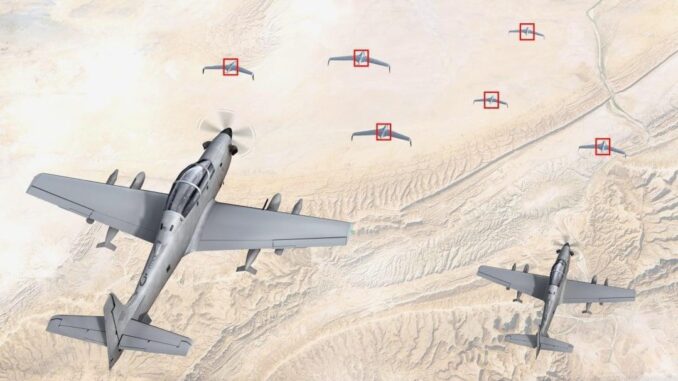
The battlefield is rapidly evolving, with unmanned aerial vehicles (UAVs), especially kamikaze drones, becoming a persistent threat to military assets worldwide. Traditional combat aircraft often struggle to meet the demands of these unpredictable and fast-moving targets. Recognizing this challenge, Embraer has partnered with Valkyrie Aero to pioneer an innovative solution: integrating an advanced Artificial Intelligence (AI) system into the proven A-29 Super Tucano light attack aircraft.
This collaboration marks a significant milestone in modern aerial combat, aiming to enhance target detection, threat identification, and response times against UAV swarms. By embedding Valkyrie Aero’s cutting-edge Gunslinger AI-driven system, the A-29 gains a formidable capability to counter a new generation of aerial threats efficiently and cost-effectively.
Understanding the Core of the AI-Driven Defense System
The Gunslinger system is designed to operate in real-time, providing joint target detection and engagement management. Unlike conventional systems that require extensive human input and slower decision cycles, Gunslinger leverages machine learning algorithms, sensor fusion, and autonomous decision-making to identify, classify, and prioritize targets instantly.
This AI-enhanced system does not replace pilots but augments their situational awareness dramatically. When a UAV swarm enters the engagement zone, Gunslinger quickly scans the environment, distinguishing between civilian, friendly, and hostile objects. Once a threat is confirmed, the system recommends optimal countermeasures, such as gunfire, guided missiles, or electronic warfare, ensuring rapid response while minimizing collateral damage.
Operational Advantages for the A-29 Super Tucano
The A-29 Super Tucano is renowned for its robust design, long endurance, and high maneuverability—factors that make it ideal for counter-UAV operations. Its tandem cockpit allows for efficient combat management, and when combined with the AI system, the aircraft transforms into a mobile, adaptive drone defense platform.
- Enhanced Detection Capabilities: Gunslinger improves early warning times, allowing pilots to respond before threats reach critical proximity.
- Increased Engagement Efficiency: AI-driven target prioritization reduces response times from seconds to milliseconds.
- Cost-Effective Combat: Utilizing AI reduces the need for expensive sophisticated weaponry or additional personnel, making it ideal for coalition forces and smaller nations.
- Versatility: The system can be tailored to various operational environments, from border patrols to counterinsurgency missions.
Technical Breakthroughs and Integration Process
The integration process involves outfitting the A-29 Super Tucano with advanced sensors, data processors, and the Gunslinger AI module. This requires close collaboration between Embraer engineers and Valkyrie Aero’s AI specialists to ensure seamless communication with existing onboard systems.
Key steps include:
- Assessing the aircraft’s current electronics architecture to identify integration points.
- Upgrading sensor packages with high-resolution electro-optical/infrared (EO/IR) systems for enhanced detection.
- Implementing machine learning algorithms trained on extensive datasets of UAVs and other aerial threats.
- Testing the integrated system in simulated environments, followed by real-world trial flights.
Such comprehensive integration ensures operators receive actionable intelligence in real time, with minimal latency—a crucial factor in fast-paced aerial threats.
Threat Landscape and Rationale Behind the System
The global proliferation of small, inexpensive UAVs has introduced a new tactical challenge. These drones, often deployed in swarms, can sabotage critical infrastructure, engage military assets, or gather intelligence covertly. Conventional defense systems, relying heavily on radar-guided missile systems, often prove too costly or slow to respond effectively against low-flying, small-sized UAVs.
The AI-enhanced counter-UAV system developed through this partnership addresses these gaps. It can detect multiple targets simultaneously and decide the best countermeasure based on threat level, all within fractions of a second. This rapid response capability makes it possible to intercept swarm attacks before they can cause significant damage.
Implications for Modern Warfare and Strategic Stability
The integration of AI systems like Gunslinger into platforms such as the A-29 Super Tucano signifies a strategic shift. Countries investing in such technology can maintain air superiority with fewer resources while reducing collateral risks. It also paves the way for remote or automated operations, limiting exposure of human pilots in contested environments.
Moreover, the cost-effectiveness of this solution democratizes advanced air defense, allowing smaller nations to bolster their military resilience without the expense of acquiring high-end stealth fighters or expensive SAM systems. As UAV threats multiply across regions, governments will prioritize AI-driven countermeasures as an integral part of their defense architectures.
Looking Ahead: Future Developments and Potential Enhancements
This partnership could be a launching point for further advancements, such as integrating electronic warfare modules that jam or disrupt enemy UAV signals, or developing multi-platform networks where several aircraft share data in real time to form a cohesive defense grid.
Further, these AI systems could evolve to perform predictive analytics, identifying potential threat patterns before an attack occurs, thus enhancing preemptive strategies. The continuous improvement of machine learning models, fueled by real operational data, promises a future where aerial defense becomes increasingly autonomous, resilient, and adaptive.