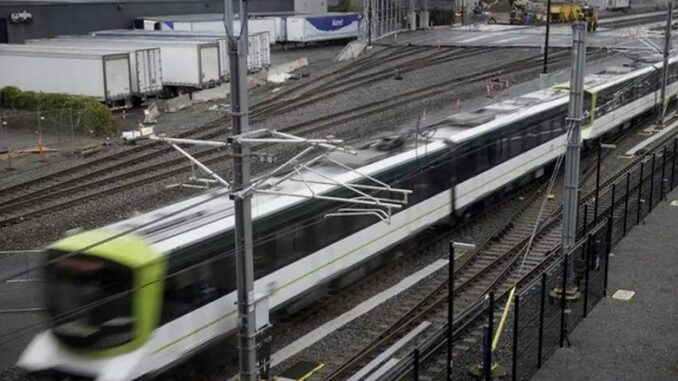
Exo’s Rapid Transformation: The Mascouche Line Is Being Integrated Into the REM Network
As ofJanuary 12, a major transformation is underway in Montreal’s commuter traffic. Exo’s Mascouche line will be integrated into the Réseau express métropolitain (REM) network at the Côte-de-Liesse station, radically changing travel times to the city center. This step represents not only a time savings for commuters traveling from the suburbs to the city center but also a revolution in quality of life. The new connection transports passengers to the city center via a fast and seamless transfer, significantly shortening daily commutes.
The Function and Benefits of the New Transfer Point
An efficient transit system is measured by fast transfers and seamless connectionsto destinations. As part of this project, the Côte-de-Liesse station has been designed not merely as a terminal but as a transfer hub. The most immediate benefits are as follows:
- Quick Transfer: Trains from Mascouche will make their final stop at the Côte-de-Liesse station, and passengers will be able to transfer to the REM line to reach downtown in 11 minutes.
- Time Savings: According to Exo’s calculations, the total travel time to the city center will be reduced by approximately 45 minutes, which translates to significant efficiency gains for daily commutes.
- Updated Schedule: With this new connection, Exo is implementing an updated schedule for the Mascouche line; the number of trips will remain close to previous levels, and departure times will be standardized.
- Accessibility: The suburban side of the Côte-de-Liesse station is ready for seamless transfers, and testing is proceeding successfully. This is a critical feature that enhances passenger comfort.
Current Schedule and Operational Changes
The new integration brings about an operational restructuring for the Mascouche line. The key points are as follows:
- Number of Trips: The daily number of trips and schedules have been planned to remain consistent with the previous schedule, allowing passengers to travel as planned during peak hours.
- Destination: The Mascouche train will no longer go to Central Station; the line’s new terminus will be Côte-de-Liesse. This change improves efficiency while simplifying the flow of transfers.
- Accessibility: Transfer processes in the commuter section at the Côte-de-Liesse station have been optimized to improve the user experience. Tests are yielding positive results and provide an infrastructure ready for actual use.
Mount Royal Tunnel and Infrastructure Efficiency: Discussions and Outcomes
During the construction of the REM line, the Mount Royal Tunnel was closed to commuter trains, a decision that drew criticism from some quarters for negatively impacting line efficiency. Critics argued that terminating the Mascouche line at Côte-de-Liessecould reduce the potential efficiency of the existing route. However, officials maintain that the REM’s high-frequency service and tunnel connection will improve the commuter line’s overall performance. Despite these conflicting viewpoints, it is clear that the new integration represents a significant step forward for urban transit.
Throughout the construction and testing phases, concerns regarding infrastructure efficiency were addressed by implementing more frequent service and faster transfers. Thanks to the REM line, passengers traveling to the city center enjoy a reliable travel experience regardless of traffic congestion. This not only makes daily life easier but also stimulates regional economic activity.
Why Are These Changes Critical for the City?
This integrated approach is not merely a rail system upgrade that ensures continuity; it is also viewed as a strategy that transforms urban mobility. Here are the critical benefits these changes bring to the city:
- Coordinated Transfer Networks: The integration between the REM and Exo lines enables a seamless transition between different modes of transportation. This translates to a hassle-free experience for users.
- Time Efficiency: An 11-minute quick transfer and a total travel time savings of 45 minutes make a significant difference, especially on busy workdays.
- User Experience: A design focused on accessibility and reliability enhances passenger comfort and ensures a safe journey even during a crisis.
- Economic Impact: Fast and reliable transportation makes daily commuting easier, which in turn supports workforce productivity and regional market activity.
Future Perspectives: What Developments Can We Expect?
While this transformation aims to increase efficiency in the short term, it lays the foundation for a broader smart city vision in the long term. Potential developments may focus on the following areas:
- Operational Flexibility: AI-driven optimization of route schedules will enable rapid responses to fluctuations in demand.
- Expanding Integration: Through integration with other commuter rail lines and city-wide transit lines, the goal is to enable a single user card and a unified fare system across a broader network.
- Passenger Information: Comfort will be enhanced by providing personalized recommendations to passengers through real-time notifications and smart mobile apps.
Result: A Model That Transforms the City’s Transportation Logic
Exo’s extension of the Mascouche line to Côte-de-Liesse and its integration with the REM represent a revolutionary step in Montreal’s transportation system. This step is not merely a route change but a decisive move toward creating an ecosystem that transforms urban mobility. An 11-minute rapid transfer, a total time savings of 45 minutes, and continuously improved operational flows—this combination promises a future that offers passengers reliability, speed, and comfort. By facilitating access to the city center from every part of the city, this system stands out as a cornerstone of sustainable urban development and economic vitality.