Unlocking the Potential of Safflower Cultivation in Drought-Prone Regions
As climate change intensifies, traditional crops such as wheat and barley face increasing water scarcity challenges, prompting farmers and local authorities to seek resilient alternatives. Among these, safflower (oil sunflower) emerges as a promising crop that not only withstands drought conditions but also offers significant economic benefits when processed into high-value oils. The recent initiative by Ankara Metropolitan Municipality (ABB) in collaboration with Şereflikoçhisar Municipality exemplifies a strategic move that leverages aspir’s potential to revolutionize regional agriculture.
Transforming Aspir Production into a Profitable Venture
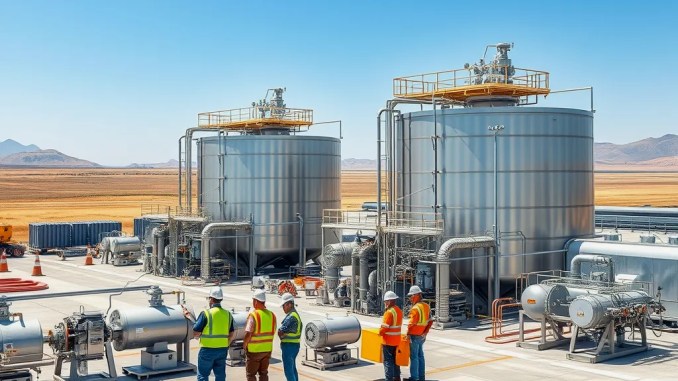
The groundbreaking setup of a cold-press aspir oil extraction unit marks a pivotal step in adding value to local aspir harvests. Previously, farmers faced hurdles in selling raw seeds at low prices, often yielding minimal profit. By establishing an integrated processing facility, authorities facilitate farmers to directly transform their crop into refined oil, substantially increasing income and creating a sustainable supply chain.
This process involves several crucial steps:
- Harvesting safflower from approximately 3,000 hectares tailored to fit the region’s arid climate.
- Initial cleaning to remove impurities and prepare seeds for oil extraction.
- Cold-press extraction preserves nutritional qualities and ensures high-quality oil output.
- Packaging and marketing to maximize revenue at the local and regional. markets.
Economic and Environmental Advantages of Drought-Resilient Crops
Adopting crops like safflower is more than just an economic strategy—it’s an environmental imperative. Safflower’s inherent drought tolerance reduces dependence on irrigation, conserving precious water resources and promoting sustainable agriculture. Moreover, cultivating drought-resistant crops diversifies farmers’ portfolios, mitigating risks associated with climate variability.
Data indicates that regions transitioning to such crops observe:
- Higher yield stability amid fluctuating rainfall patterns.
- Lower input costs due to reduced irrigation and fertilizer needs.
- Enhanced resilience against drought-induced crop failures.
These improvements contribute to regional food security and boost local economies without exacerbating environmental stresses.
Governmental Role in Agricultural Innovation and Support
The local government’s proactive approach exemplifies how policy and infrastructure investment accelerate agricultural diversification. Distributing safflower seeds to farmers last year served as a catalyst, encouraging widespread cultivation in subsequent seasons. Additionally, establishing processing units ensures that farmers can immediately capitalize on their harvests, reducing post-harvest losses and market volatility.
Furthermore, collaborations with research institutions and agronomists have optimized seed varieties suited for the local climate, enhancing yield potential and oil quality. This synergy between government support, farmer engagement, and technological innovation fosters a resilient agricultural ecosystem.
Community Impact and Future Prospects
An initiative of this scale impacts not only individual farmers but also the local economy at large. As safflower oil gains popularity, new market opportunities—from local food products to export prospects—emerge. This creates a ripple effect, stimulating employment in processing, distribution, and retail sectors.
Looking ahead, expanding this model can include:
- Integrating organic farming practices to increase product value.
- Developing branding strategies to distinguish safflower oils in competitive markets.
- Implementing educational programs to train farmers in modern cultivation and processing techniques.
- Exploring additional drought-resistant crops, creating a diverse agricultural pallet.
Conclusion: Pioneering Sustainable and Profitable Agriculture
The collaborative efforts by governmental bodies to promote drought-resistant crops like safflower demonstrate a forward-thinking approach to contemporary agricultural challenges. By coupling cultivation incentives with technological advancements in processing, communities can achieve a dual goal: safeguarding natural resources and elevating farmers’ livelihoods. As climate unpredictability persists, these models pave the way for resilient, sustainable, and economically viable farming practices—setting a standard for regions facing similar environmental hurdles.
People Also Ask
- What are the benefits of cultivating safflower in drought-prone areas? Safflower’s drought resistance reduces water dependency, stabilizes yields, and increases profitability through value-added oil production.
- How does aspir oil compare to other vegetable oils? Safflower oil is rich in unsaturated fatty acids, with health benefits comparable or superior to other vegetable oils, and offers a sustainable alternative due to its low water requirements.
- What steps are involved in processing safflower into oil? Harvesting, seed cleaning, cold pressing, refining, and packaging are the key stages in producing high-quality safflower oil.
- Can small-scale farmers benefit from this initiative? Yes, especially when paired with cooperative processing units, enabling smallholders to access high-value markets.
- What is the environmental impact of shifting to drought-resistant crops? It conserves water, reduces chemical inputs, and fosters resilient ecosystems amid changing climate conditions.