Unfolding the Kyrenia Passenger Ship Disaster: A Race Against Time and Tides
On August 30th, a disaster struck off the coast of Kyrenia — a high-speed passenger vessel, en route from Girne to Mersin’s Taşucu, suddenly capsized after attempting to return to port. This incident quickly turned into a critical search and rescue operation, revealing devastating losses and raising urgent questions about maritime safety standards, emergency response efficacy, and the vulnerable state of maritime operations in regional waters.
The gravity of this event is magnified by the fact that, despite immediate rescue efforts, 22 lives have tragically been lost, with 6 individuals still unaccounted for. As search teams continue scouring the seabed, the incident underscores the importance of rigorous safety measures, timely emergency preparedness, and the repercussions of swift maritime accidents. The following detailed account captures the scope of the tragedy, response actions, and the broader implications for maritime safety.
Sequence of Events Leading to the Disaster
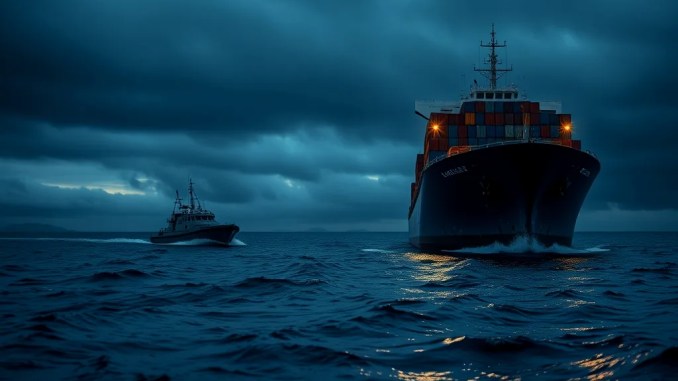
The ordeal began when the “Filo Jet,” a modern and highly frequented passenger vessel, left Kyrenia’s port, catering to daily commuters. According to eyewitnesses and initial reports, moments after departure, the vessel indicated signs of distress, including taking on water in the forward section. Authorities suspect that technical malfunctions or possible overloading might have contributed to the destabilization.
Despite efforts from the crew to manage the situation, the ship started to list dangerously. The captain, facing imminent danger, attempted to navigate the vessel back toward Kyrenia port. However, before it could safely dock, the ship capsized, plunging passengers and crew into the turbulent waters. The quick onset of the disaster made rescue operations challenging, emphasizing the importance of rapid response times in maritime emergencies.
The Immediate Response: Search and Rescue Operations
As distress signals reached maritime authorities, helicopters, coast guard ships, and local rescue teams mobilized immediately. Their priority centered on locating survivors, retrieving bodies, and preventing further casualties. Such operations involve complex coordination, often hampered by rough sea conditions, limited visibility, and the depth of the seabed, which can be hundreds of meters below surface.
In the earliest moments, rescue teams used sonar equipment to scan the seabed, aiming to locate the vessel’s wreckage and any survivors trapped inside or nearby. The use of underwater remotely operated vehicles (ROVs) became crucial, as they can operate at depths unreachable by divers. Throughout the operation, teams systematically collected floating debris, life jackets, and personal effects, which help identify victims and reconstruct the sequence of events leading to the capsizing.
The Discovery of the First Bodies and Subsequent Finds
The first recovered bodies surfaced within hours of the disaster. As search and rescue efforts persisted over days, more victims were pulled from the waters. The most recent recovery of a victim, confirmed by the authorities, resulted in the death toll reaching 22. Their bodies were taken to local morgues where identification procedures commenced, including DNA testing and fingerprint analysis to ensure accurate victim identification.
As of now, six individuals remain missing, prompting ongoing intensive underwater search missions. Experts highlight that these survivors’ families face profound grief, and communities rally together in mourning and support efforts. The tragic loss not only impacts the families but also raises pressing questions about the safety protocols on passenger vessels operating in the region.
Implications for Maritime Safety and Policy
This disaster spotlights the critical need for stringent maritime safety standards. Authorities are expected to review the vessel’s maintenance logs, emergency preparedness, and crew training procedures. Maritime safety experts recommend regular safety drills, efficient communication systems, and the adoption of modern technology to detect early signs of technical failure or overloading.
Governments and maritime organizations must collaborate to enforce compliance with international safety regulations, conduct thorough investigations into this accident, and implement corrective actions where gaps are identified. Moreover, the incident underscores the need for public awareness campaigns about safety measures and emergency protocols for passengers on small and large vessels alike.
What Can Passengers Do to Ensure Their Safety?
- Always attend safety briefings: Pay close attention to safety instructions provided by crew members.
- Wear life jackets properly: Ensure your life jacket fits correctly at all times when instructed.
- Stay alert: Be aware of your surroundings and report any concerns to crew immediately.
- Know emergency exits: Familiarize yourself with the vessel’s safety procedures and locations of emergency exits.
- Report deficiencies: Notify authorities or crew about any safety concerns or malfunctioning equipment.
Broader Context of Maritime Accidents
While this incident is especially tragic, maritime accidents are not uncommon, especially in busy regional waters where safety infrastructure may vary. Lessons learned include the importance of regular safety audits, technological advancements such as real-time monitoring, and international cooperation on maritime safety standards. Countries bordering busy shipping routes should invest in better emergency response infrastructure, including search and rescue capabilities, to minimize casualties when accidents occur.
Conclusion: Moving Forward After the Tragedy
The Kyrenia passenger ship disaster serves as a sobering reminder of the fragile nature of maritime safety and the devastating consequences when precautions fail. As rescue teams continue their efforts to recover the missing and provide closure to families, authorities are urged to scrutinize safety protocols across regional fleets. Public awareness campaigns and stricter oversight can prevent future tragedies, ensuring that such devastating losses become a thing of the past.
Frequently Asked Questions (FAQ)
What caused the Kyrenia passenger ship to capsize?
Initial investigations suggest possible technical malfunction, overloading, or crew error as potential causes. Further detailed analysis is underway to determine the exact cause.
How many people were on the ship?
The vessel was carrying a significant number of passengers and crew, but exact figures are still being verified as part of ongoing investigations.
What safety measures are recommended for passenger vessels?
Regular safety drills, proper crew training, real-time monitoring systems, and clear emergency protocols are essential. Passengers should also stay informed and adhere to safety instructions during voyages.
Are there plans to improve maritime safety following this incident?
Yes, authorities plan to review and tighten safety regulations, enhance rescue operations, and promote technological upgrades to prevent similar tragedies in the future.