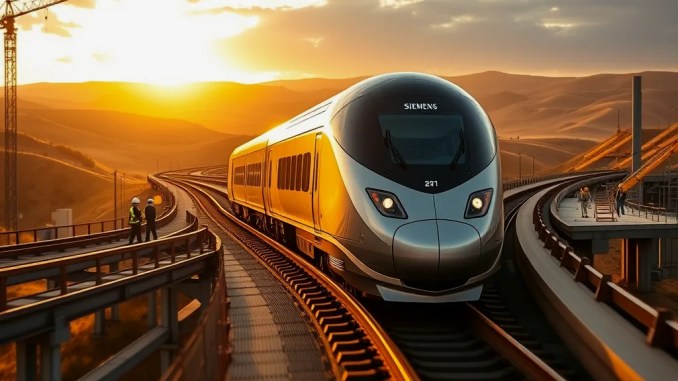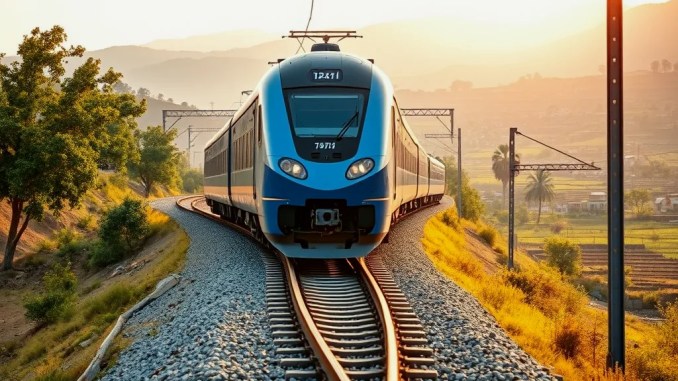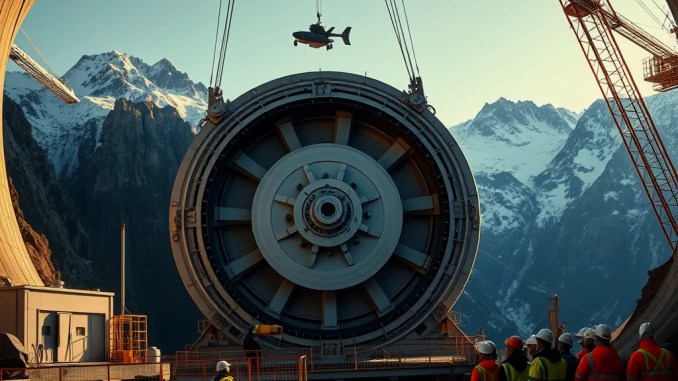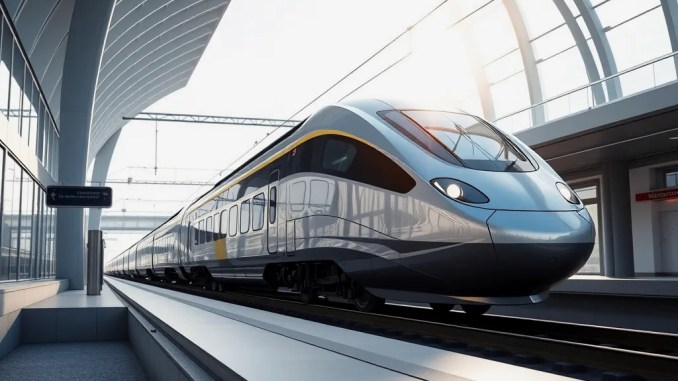
Imagine witnessing a transformative leap in China’s high-speed rail infrastructure, where ambitious engineering meets cutting-edge technology to redefine connectivity in mountainous regions. The Xi’an-Ankang high-speed railway is not just another route; it’s a flagship project that pushes the boundaries of what modern railways can achieve, promising shorter travel times, increased safety, and a blueprint for future railway innovations. Within this article, discover the detailed journey from groundbreaking trials to full operational status, exploring how China is overcoming geographical challenges through advanced engineering solutions. We delve into the phased testing approach, technological marvels deployed during the trials, and the strategic implications for regional and national development. Key Highlights: – Phased approach to testing and commissioning – Record-breaking speeds and technical benchmarks – Unique engineering challenges and solutions – Strategic significance and regional impact – Future prospects and expansion plans ## The Phased Approach to Testing and Commissioning The Xi’an-Ankang high-speed railway project employs a meticulous, three-stage testing process designed to ensure safety, efficiency, and service quality before launching commercial operations. Stage One: Parameter Verification During this initial phase, the focus lies in fine-tuning operational parameters, validating train schedules, and evaluating infrastructure performance under controlled conditions. Trains run at slightly reduced speeds to collect baseline data on track geometry, signaling systems, and power supply stability. Stage Two: Emergency Response and Equipment Testing Next, engineers introduce simulated fault scenarios, testing train response times, braking systems, and emergency protocols. This phase confirms that all safety systems operate cohesively, establishing a robust foundation for passenger service. Stage Three: Operational Readiness and Service Simulation In the final stage, the rail line undergoes full-speed trials, replicating real-world conditions with passenger carriages. Timetable adherence, comfort levels, and on-board system integration are thoroughly examined. Successful completion signifies the line’s readiness for commercial operation. ## Technological Innovations Powering the Trials The Xi’an-Ankang line showcases advanced engineering feats, tailored to surmount the region’s steep and rugged terrain. – Tunnel and Bridge Dominance: Over 90% of the 171 km route comprises tunnels and bridges, reducing geographical barriers and maintaining high speeds. – Precision Signaling Systems: State-of-the-art electronic and digital signaling ensure safe, reliable operations despite complex topography. – Anti-Slip Rail Technology: Specially designed rail profiles and traction control adapt to variable slopes, maintaining stability and safety. – High-Speed Testing Milestones: During tests, trains reached speeds of up to 385 km/h—exceeding the planned operational speed of 350 km/h—demonstrating safety margins. These innovations not only enable high speeds but also increase line resilience, reduce maintenance costs, and improve passenger comfort. ## Overcoming Geotechnical Challenges Through Engineering Prowess Constructing a high-speed corridor through Qinling Mountains demanded unprecedented engineering ingenuity. The route’s design required: – Advanced Tunneling Techniques: Utilizing tunnel boring machines (TBMs) with variable diameter and enhanced earth-pressure balancing capabilities. – Flexible Structural Designs: Rigid yet adaptable frameworks for bridges to accommodate seismic activity and thermal expansion. – Environmental Preservation: Implementing eco-friendly excavation and construction methods to minimize ecological impact. The result is a network that seamlessly integrates into the natural landscape while offering high-speed connectivity. ## Strategic Impact and Regional Development This railway’s inception significantly boosts regional integration, connecting economically vital cities with accelerated transit times. For instance: – Travel Time Reduction: From nearly three hours ago to just over one hour—transforming daily commutes, logistics, and tourism. – Economic Stimulus: Streamlined freight and passenger flow encourage regional investments, attracting industries and talent. – Urban Expansion: Improved accessibility spurs urban development along the corridor, fostering new growth hubs. Furthermore, the project sets a precedent for future high-altitude and mountain railway projects worldwide, demonstrating scalable engineering practices. ## Future Prospects and Expansion Plans Once fully operational, the route will serve as a core segment in China’s broader high-speed rail network, with possibilities for: – Enhanced Connectivity: Linking to other high-speed lines for seamless national transit. – Technological Upgrades: Incorporating AI-driven maintenance and smart scheduling systems. – Sustainability Initiatives: Transitioning to greener energy sources and recyclable infrastructure components. Ongoing investments aim to leverage this corridor as a model for tackling similar topographical challenges across Asia and beyond. ## Conclusion The Xi’an-Ankang high-speed railway exemplifies China’s relentless pursuit of infrastructure excellence. From meticulous phased testing to innovative engineering solutions, the line has already set new standards for mountain rail travel. As it prepares for commercial launch, it promises to revolutionize regional connectivity, stimulate economic growth, and serve as a testament to the power of technological innovation in overcoming nature’s toughest obstacles. ## FAQs Q1: When will the Xi’an-Ankang high-speed railway open for passenger service? A: Official passenger service is expected to commence around September 2026 after completing all testing phases. Q2: How does the route manage its extensive tunnel and bridge segments? A: Through advanced tunneling techniques, flexible structural designs, and environmental preservation strategies, ensuring stability and longevity. Q3: What speeds are trains expected to operate at once fully open? A: Trains will operate at a maximum of 350 km/h, with tests reaching speeds above 385 km/h. Q4: How will this project impact regional economies? A: By drastically reducing travel times, it enhances mobility, attracts investments, supports urban growth, and fosters regional integration. Q5: Are there plans for further route expansions? A: Yes, future expansions include connecting this corridor to other high-speed lines and implementing smart technologies for continuous improvement.