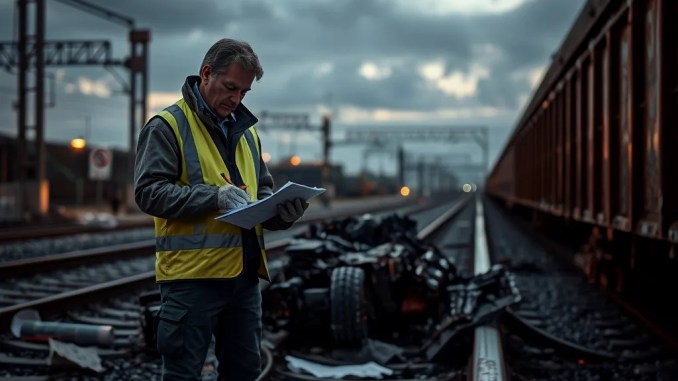
The recent Cléon train derailment on September 11th has shocked transportation authorities and the public alike, as authorities swiftly initiate comprehensive investigations into this alarming incident. With 44 injured and a young woman in critical condition, this event underscores the urgent need to reassess railway safety protocols, infrastructure integrity, and accident prevention measures. This article delves into the detailed circumstances surrounding the derailment, the ongoing investigations by French authorities, and its profound implications for rail safety standards worldwide.
Immediate Circumstances of the Cléon Railway Accident
The derailment occurred at approximately 19:30 near Cléon, Rouen, during a routine regional train service operated by SNCF. The train was en route from Rouen to Caen, carrying 186 passengers when it suddenly left the rails. The precise cause remains under investigation; However, initial reports suggest anomalies in the rail infrastructure played a significant role. This section explores the sequence of events leading up to the incident and dispels misconceptions around deliberate sabotage. Eyewitness accounts describe a smooth journey interrupted abruptly, followed by chaos and urgent evacuations. The train’s data recorders provided invaluable insights, revealing exactly when and where the derailment commenced.
Investigations Initiated and Their Significance
In the wake of the derailment, French authorities launched two parallel investigations: a criminal investigation and a technical assessment. Criminal Inquiry: Led by Rouen’s public prosecutor, this investigation seeks to determine whether negligence, sabotage, or other criminal factors contributed to the derailment. This process involves interrogating crew members, analyzing safety compliance records, and examining maintenance logs. Technical Inspection: Conducted by BEA-TT, France’s rail safety and accident investigation body, this independent investigation examines infrastructure and technical components. Key focus areas include the integrity of rails, electrical systems, signaling devices, and potential foreign object intrusions. By approaching the accident from both angles, authorities aim to establish a comprehensive understanding that guides future safety enhancements.
What Do Initial Findings Reveal?
Preliminary evidence indicates a significant anomaly involving a rail fragment potentially dislodged from an adjacent track. Experts hypothesize that this piece might have fallen onto the train’s path, causing the derailment. Despite early speculation, investigators emphasize that there is no current evidence of deliberate acts or terrorism. Moreover, inspection of the train’s onboard systems shows no signs of technical faults prior to the incident. The driver was tested for alcohol and substances, both results turning negative, ruling out intoxication or impairment. Simultaneously, track maintenance records show recent repairs and inspections; However, the recent surge in rail fragment detachment incidents raises concerns about underlying infrastructure vulnerabilities.
Infrastructure and System Damage Analysis
The crash inflicted severe damage on both the rails and electrical systems, complicating immediate repair efforts. Extensive damage to the electrical infrastructure means that signaling and live track sections require thorough testing before reopening. This damage underscores the necessity for comprehensive infrastructure audits, including examining welds, joint integrity, and metal fatigue which could have contributed to dislodgement. Furthermore, the derailment site revealed that debris and fragments from damaged rails obstructed the track, heightening the risk of subsequent incidents. Such hazards demand stricter safety protocols on material handling and inspection.
Broader Safety Implications and Future Preventive Measures
This event raises a critical question: How resilient are our current railway infrastructures? The derailment acts as a stark reminder that even minor neglect or material wear can trigger catastrophic failures. Key strategies to prevent recurring incidents include: – Enhanced Material Surveillance: Deploy sensors and drones for real-time monitoring of rail conditions. – Regular Maintenance & Inspection: Increase frequency of physical inspections focusing on vulnerable points like joints and fasteners. – Infrastructure Upgrades: Invest in modern, corrosion-resistant materials and automation technologies to identify faults early. – Public and Staff Awareness: Promote training on recognizing early signs of infrastructure distress. – Transparent Incident Reporting: Encourage immediate reporting of anomalies, supported by government incentives. Implementing these measures could significantly reduce the risk of similar derailments, ensuring rail travel safety is elevated to new standards.
Impacts on Rail Operations and Surrounding Regions
In addition to safety concerns, the derailment’s aftermath disrupts service across Rouen and Caen corridors. Travel agencies and commuters face cancellations and delays, pushing authorities to activate contingency plans including alternative transit options. Specifically, train services between Rouen and Elbeuf were suspended temporarily, with some routes rerouted through bus services. SNCF has issued regular updates, emphasizing rapid repair efforts and safety assessments to restore normalcy. Cross-region coordination becomes essential in managing both logistical challenges and passenger safety. Communication strategies and real-time updates foster public trust during disruptions.
Legal and Regulatory Responses
The incident prompts revisiting existing safety regulations and inspection routines. France’s transport department is expected to mandate stricter safety protocols, including real-time rail health monitoring and increased oversight of maintenance activities. Legal repercussions may include penalties for overlooked maintenance or regulatory breaches. Moreover, this case sets a precedent for holding companies accountable for infrastructure negligence, advocating for stricter compliance requirements.
Long-term Safety Strategy: Building a Resilient Railway Network
The Cléon event serves as a catalyst to overhaul France’s railway safety architecture. Long-term initiatives involve embracing cutting-edge technologies such as AI-driven predictive maintenance, IoT sensors, and automated inspection robots. Investments in infrastructure modernization, coupled with a proactive safety culture, create a resilient network capable of standing material fatigue and unforeseen hazards. ### Conclusion This derailment underscores that rigorous infrastructure maintenance, technological innovation, and transparent accountability are paramount to railway safety. Authorities and industry stakeholders must collaborate intensively to prevent future tragedies and restore public confidence in rail travel. Understanding the root causes and implementing comprehensive safety measures will protect lives and uphold the integrity of rail transportation worldwide. FAQs: – *Has the cause of the derailment been confirmed?* Initial evidence points towards a dislodged rail fragment, but investigations are ongoing. – *Are similar incidents expected in the near future?* With enhanced safety measures, such incidents should decrease significantly. – *What should passengers do during such disruptions?* Follow official updates, utilize alternative routes, and adhere to safety instructions. – *How can rail companies improve safety protocols?* By adopting advanced monitoring systems, increasing inspection frequency, and fostering a safety-first culture.