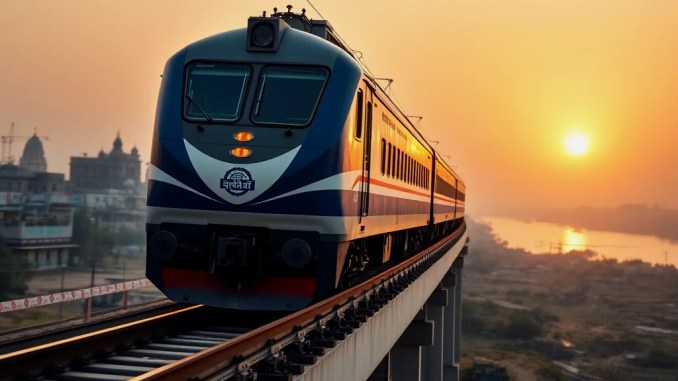
Unprecedented Move in Rail Safety: Virginia Enforces Two-Person Crew Law for Freight Trains
Virginia has taken a bold step to redefine rail safety standards by enacting a law mandating a minimum of two qualified personnel aboard freight trains. This legislation not only signals a shift in state-level safety policies but also addresses longstanding concerns about crew size, operational safety, and community security. As the rail industry faces increasing challenges from economic pressures and evolving technology, Virginia’s move positions itself as a leader in prioritizing human oversight and accident prevention.
Why Does a Two-Person Crew Matter in the Modern Rail Industry?
Historically, trains operated with large crews, but economic efficiencies prompted many operators to reduce crew sizes, often to a sole conductor or engineer. While this saved costs, it also increased risks associated with operator fatigue, reduced immediate response to emergencies, and lowered overall safety margins. The new law stipulates clearly that at least two trained personnel must operate trains, addressing these vulnerabilities directly.
Specifically, the law requires that a competent locomotive engineer and a qualified conductor be present at all times during operation. The engineer is responsible for maneuvering the train, while the conductor oversees communication, safety protocols, and emergency response. Together, their combined oversight ensures that safety checks, operational decisions, and emergency interventions occur seamlessly, thereby reducing accident risks significantly.
Historical Context: Building Momentum for the Law’s Passage
For years, safety advocates and labor unions, particularly the SMART Transportation Division (SMART-TD), pushed for legislation requiring two crew members on freight trains. Their advocacy gained momentum following several high-profile accidents where solo crews failed to respond effectively during emergencies. Despite strong support from transportation workers, the industry initially resisted, citing operational costs and efficiency concerns.
Virginia’s legislative journey began with a bipartisan effort to codify crew requirements, but previous attempts faced vetoes, notably by Governor Glenn Youngkin. However, the active engagement of union members, safety advocates, and community stakeholders turned the tide, leading to the bill’s eventual passage and signing into law by Governor Abigail Spanberger in April 2026.
The Technical Details of Virginia’s Two-Person Crew Law
- Mandatory Personnel: At least one engineer and one conductor must be present during all freight train operations.
- Scope of Application: Applies to all freight trains, locomotives, and light rail vehicles operating within Virginia’s jurisdiction.
- Exceptions: The law does not cover certain specialized or emergency scenarios, which require federal or state regulatory approval.
- Compliance Monitoring: The Virginia State Corporation Commission (VSCC) is tasked with overseeing adherence to these crew requirements through regular audits and incident investigations.
How Federal Regulations Interact with the State Law
While federal safety regulations, primarily overseen by the Federal Railroad Administration (FRA), establish minimum crew requirements at a national level, they also contain exemptions and allowances for specific operational conditions. Virginia’s law complements these federal standards by establishing a stricter, state-level mandate.
This dual approach helps reinforce safety, especially since federal regulations sometimes permit single-man operations in certain contexts, such as short-distance shuttles or emergency circumstances. Virginia’s law curtails these exceptions within its borders, ensuring that safety does not get compromised for economic reasons.
Impact on the Industry and Communities
The immediate industry impact involves increased operational costs due to staffing requirements, but many stakeholders argue that these costs are dwarfed by safety benefits and community confidence. Increased crew size enhances emergency response capabilities, prevents derailments, and mitigates the severity of accidents when they occur.
Community members living near rail corridors welcome the legislation, citing concerns about accidents involving hazardous materials or derailments that could endanger lives and property. The law advocates argue that having two skilled personnel onboard acts as a critical safeguard for both the crew and the surrounding population.
Monitoring and Enforcement Strategies
Virginia plans to implement robust compliance monitoring, including periodic audits, incident reviews, and mandatory reporting of crew size violations. The VSCC will coordinate with federal agencies to ensure local laws harmonize with national safety standards.
Rail companies that violate the law could face penalties, including fines, operational restrictions, or even revocation of operating licenses. These enforcement mechanisms provide a strong deterrent against non-compliance and demonstrate the state’s commitment to maintaining high safety standards.
Future Outlook: Setting a Precedent for Other States
Virginia’s move to mandate two-person crews signals a potential shift across the United States. Several other states are watching closely, including similar legislation or advocating for federal regulatory updates. Industry experts predict that this will serve as a catalyst, encouraging nationwide adoption of stricter crew requirements in the coming years.
Moreover, as automation and technological advancements continue to transform rail operations, the two-person crew law emphasizes the irreplaceable value of human judgment and physical oversight in ensuring rail safety.
Conclusion
Virginia’s historic legislation requiring two qualified personnel onboard freight trains marks a significant milestone in rail safety history. By prioritizing human oversight, community safety, and accident prevention, the state sets a new standard that may influence federal policies and other states to follow suit. As industry players adapt to this landscape, the overarching goal remains clear: safer rails, safer communities, and a stronger commitment to human-centric safety protocols.
Frequently Asked Questions (FAQs)
Q: Why did Virginia decide to implement this law now?
The law’s enactment responds to recent safety concerns, accidents, and advocacy from unions and community groups pushing for higher safety standards. It also aims to align state regulations with evolving industry best practices.
Q: How will this law affect freight train schedules and costs?
Implementing a two-person crew may slightly increase operational costs and could lead to minor scheduling adjustments. However, these changes are justified by the improved safety outcomes and community reassurance.
Q: Does this law apply to all types of trains and railroads in Virginia?
Yes, it applies broadly to all freight trains, locomotives, and light rail vehicles operating within Virginia, with specific exceptions only when approved by relevant federal authorities.
Q: Can other states adopt similar laws?
It’s certainly possible. Virginia’s law might serve as a model for other states aiming to enhance their rail safety regulations, especially if federal standards remain less stringent.