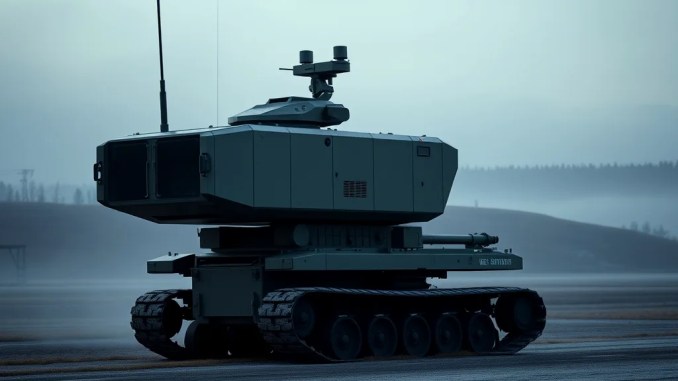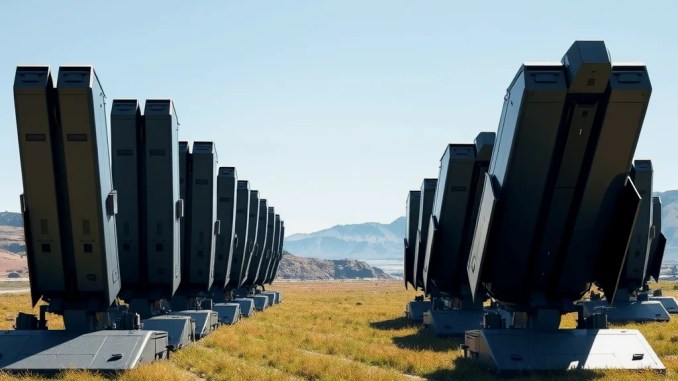
The battlefield is evolving rapidly, and Croatia is making a bold move by transitioning from aging artillery to cutting-edge missile technology. The nation’s decision to acquire 18 K239 Chunmoo multiple launch rocket systems (MLRS) from Hanwha Aerospace in South Korea signals a strategic pivot aimed at enhancing its military capabilities and asserting greater regional influence. This procurement not only modernizes Croatia’s artillery inventory but also positions it as a leader in adopting South Korean military innovations in Europe. The Chunmoo’s deployment will significantly boost Croatia’s long-range strike potential, fill critical gaps in its defensive posture, and demonstrate a willingness to embrace non-traditional defense partnerships. ### Unpacking the Significance of Croatia’s Chunmoo Investment Breaking down the core of this development reveals much about the shifting landscape of European military procurement. Croatia’s government approved the purchase of 18 Chunmoo launchers, valued at roughly €544 million ($632 million), with deliveries scheduled between 2026 and 2029. This investment underscores a commitment to modernizing its armed forces amidst increasing regional tensions. Key reasons for Croatia’s choice include: – *Shorter delivery timeline:* Hanwha Aerospace commits to delivering the systems within 24-36 months, allowing Croatia to quickly enhance its defensive front. – *Cost-effectiveness:* Compared to Western systems like the US’s HIMARS, Chunmoo offers a competitive pricing structure without sacrificing performance. – *Industrial collaboration:* The deal involves collaboration with local and regional industry partners, fostering technology transfer and employment. ### Strategic Advantages of Chunmoo Chunmoo’s versatility makes it a standout choice. Equipped to fire a broad range of munitions—including ballistic missiles, cruise missiles, and rocket artillery—its modular design enables rapid reconfiguration for different operational needs. Its range, clocking in at approximately 80-180 kilometers depending on the missile type, puts Croatia’s within striking distance of critical targets forces across neighboring borders. Operational benefits include: – *High mobility:* The launcher systems are mounted on tracked or wheeled chassis, facilitating rapid repositioning and survivability against counter-battery fire. – *Firing rate:* Capable of launching multiple volleys in rapid succession, Chunmoo can overwhelm enemy defenses and deliver devastating firepower. – *Digital command and control:* Integration with modern C2 systems ensures coordinated strikes and real-time battlefield awareness. ### What Sets Chunmoo Apart from Western Counterparts? While the US’s HIMARS has dominated Western exports, Chunmoo introduces a competitive alternative with unique advantages: – Rapid Deployment & Shorter Delivery: Hyundai’s production capacity allows for accelerated delivery schedules, critical to Croatia’s military modernization plans. – Cost Efficiency: At a lower procurement and maintenance cost, Chunmoo presents an attractive option, especially for countries seeking high-performance systems without excessive expenses. – Operational Flexibility: Multiple missile configurations enable Croatian forces to adapt to various combat scenarios, from conventional warfare to asymmetric threats. – Regional Geopolitical Impact: The decision to select Chunmoo signals a willingness to diversify supply sources, reducing dependency on traditional Western allies amid complex diplomatic dynamics. ### The Broader Regional Context Croatia’s strategic move comes amid increasing interest in South Korean military technology from other European nations. Poland, Estonia, and Norway have all shown interest in Chunmoo or similar systems, viewing them as cost-effective and technologically advanced options. This trend challenges the longstanding dominance of Western-made systems, with Chunmoo gaining credibility due to its proven performance and competitive pricing. The widespread adoption of South Korean systems like Chunmoo could reshape regional arms procurement strategies, emphasizing a multipolar approach to military modernization. ### Impact on Croatia’s Military Doctrine The incorporation of Chunmoo systems marks a significant shift in Croatia’s military doctrine, emphasizing rapid response, mobile 火power projection, and networked warfare capabilities. These systems are expected to synergize with Croatia’s existing artillery, air defense, and intelligence units, creating a comprehensive and modern battlefield network. Expected advantages include: – Improved long-range strike capabilities against both conventional and asymmetric threats. – Enhanced preservation of troops’ lives due to increased operational agility. – Strengthened deterrence posture vis-à-vis neighboring countries. ### Future Prospects and Challenges While the deal signifies a major leap forward, challenges remain. Ensuring adequate training for Croatian personnel, maintaining interoperability with NATO allies, and establishing a robust supply chain are critical factors for success. Furthermore, geopolitical considerations may influence future procurement decisions, especially in a volatile regional environment marked by shifting alliances and renewed investments in military technology. ### Conclusion Croatia’s decision to embrace the K239 Chunmoo missile system reflects a strategic foresight rooted in cost-effectiveness, rapid modernization, and regional flexibility. By deploying these advanced systems, Croatia not only enhances its military readiness but also signals to regional powers and allies that it is committed to staying at the forefront of artillery innovation. This shift exemplifies a broader trend among European nations seeking affordable yet powerful alternatives to traditional Western missile systems, thus redefining the security architecture of Southeast Europe.