Don’t Ignore the Rising Tide of Artificial Intelligence: Gates Warns of Societal Risks
Imagine a world where artificial intelligence evolves so quickly that governments struggle to keep pace. This isn’t science fiction anymore—it’s the reality that tech giants and policymakers face today. Bill Gates, the co-founder of Microsoft and a visionary in technology, warns that the rapid acceleration of AI development could reshape society in ways we are not fully prepared for. With AI systems becoming smarter, faster, and more integrated into everyday life, the stakes for human safety, jobs, and global security skyrocket.
Why is Gates Concerned About AI’s Speed?
Gates emphasizes that the development rate of AI has outstripped current governance and regulatory frameworks. Historically, technological progress has been manageable because its pace allowed policymakers to implement measures to mitigate risks. Now, however, AI innovation is happening at an exponential rate, with breakthroughs occurring in months rather than years. He compares this to a technology race where some nations are sprinting ahead while others lag behind, creating geopolitical tensions and potential security loopholes.
The Societal Impact of AI: Employment, Security, and Human Dependence
This rapid AI progression influences multiple societal faces:
- Employment Disruption: AI’s ability to automate complex tasks threatens millions of jobs across industries, particularly roles that involve routine cognitive functions. From manufacturing to data analysis, AI systems could replace human workers faster than new job categories emerge.
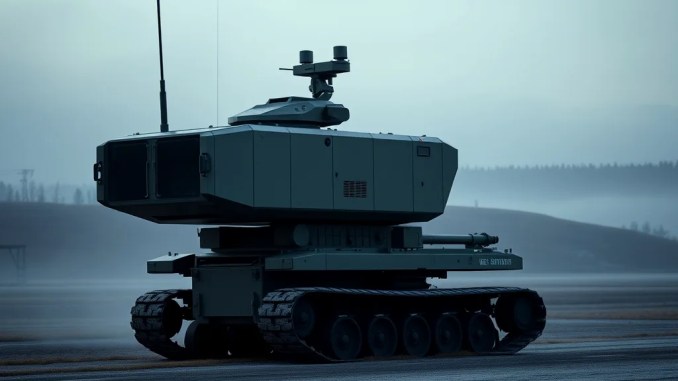
- Security Threats: AI-powered cyberattacks, autonomous weapons, and misinformation campaigns could destabilize nations. The rise of deepfakes and sophisticated phishing techniques makes it increasingly difficult to differentiate truth from deception.
- Human Dependency and Digital Attachments: Increasing reliance on AI-driven digital assistants may diminish human critical thinking and decision-making skills. Gates highlights the risk of people forming excessive emotional bonds with AI companions, potentially leading to social alienation.
Global Preparedness: The Gap in Regulatory and Strategic Readiness
In conversations with world leaders, Gates notes a stark gap between AI’s technological potential and the readiness of governments to manage it. Major nations like the US, China, and European countries have started drafting regulations but have yet to implement comprehensive strategies. This disconnect creates vulnerabilities, where malicious actors could exploit loopholes and advance AI weaponization or malicious campaigns unchecked.
The Need for International Cooperation in Governing AI
Gates advocates forming international coalitions that develop uniform standards for AI safety, ethics, and deployment. An approach similar to nuclear non-proliferation treaties could prevent an AI arms race or misuse. Countries should prioritize transparency and intelligence-sharing to counter AI-driven threats effectively. The global community must collaborate to regulate big AI models, avoid monopolistic practices, and prevent unchecked proliferation.
The Role of the Private Sector and Public Investment in AI Safety
The private sector, particularly major AI corporations and research institutions, bears a significant responsibility. Gates suggests these entities should adhere to strict ethical standards, conduct thorough safety testing, and participate voluntarily in international oversight. Concurrently, governments need to allocate resources to AI safety research, establishing dedicated agencies that monitor AI risks and develop contingency plans.
Bill Gates’ Proposal: Investing $1 Billion in AI for Global Good
Despite the risks, Gates remains optimistic about AI’s potential to solve pressing global challenges—*if* managed properly. His foundation pledges at least $1 billion over the coming two years to expand AI access in underserved regions, emphasizing healthcare, education, and agriculture. This investment aims to democratize AI benefits, ensuring distinguished communities inherit the technological advancements that could pull billions out of poverty.
Harnessing AI for Healthcare and Sustainable Development
Gates envisions AI transforming healthcare by accelerating drug discovery, personalized medicine, and disease diagnosis, especially in developing countries. AI-enabled telemedicine and mobile health apps could revolutionize access to quality healthcare. Furthermore, AI can enhance agricultural productivity, optimize water use, and predict climate impacts, fostering sustainable development.
The Risks of Overhyping AI’s Potential in Healthcare
While AI promises remarkable health innovations, Gates urges caution not to overstate its immediate impact. Developing reliable, ethical AI health tools requires rigorous validation and regulatory approval. Failing to do so could lead to misuse, misdiagnosis, or unintended harm—highlighting the need for balanced advancement and safety measures.
Is AI the “Alien” Intelligence We Must Tame?
Gates calls artificial intelligence an “alien intelligence” emerging from human innovation. Like extraterrestrial life, it presents unknown challenges and opportunities. Unlike alien worlds, however, AI is created by humans, and its evolution depends on deliberate actions. Gates insists we must approach AI with curiosity, caution, and collective responsibility—building safeguards to ensure it complements human civilization rather than undermines it.
Jeffrey Epstein Connections: Clarifying the Record
In recent discussions, Gates addressed his past association with Jeffrey Epstein. Although they crossed paths, Gates clarifies that he never engaged in illegal activities or benefited from Epstein’s illicit actions. His involvement stemmed from a desire to understand philanthropy and global health initiatives. Gates states that he regretted any association, emphasizing that his foundation distancing itself from Epstein reflects his priority on integrity and transparency.
Concluding Remarks: Act Now to Guide AI’s Future
Gates’ message echoes a sense of urgency: the accelerated pace of AI development offers unprecedented benefits but also formidable risks. Procrastination and complacency could lead to irreversible consequences. Governments, tech companies, and civil society must work synergistically—promoting innovation while instituting robust safeguards. The future of humanity hinges on how effectively we navigate this technological frontier today.
FAQs
- What are the main risks of rapid AI development? The primary risks include job displacement, security threats like autonomous weapons and misinformation, erosion of privacy, and over-dependence on AI systems that may malfunction or be exploited.
- How can governments better prepare for AI threats? By establishing comprehensive regulations, fostering international cooperation, funding AI safety research, and creating rapid response teams for AI crises.
- What role do private companies play in AI safety? They must develop AI ethically, adhere to safety protocols, participate in transparency initiatives, and collaborate with governments to ensure responsible innovation.
- Can AI help solve global challenges? Yes, when managed correctly, AI can revolutionize healthcare, improve agriculture productivity, aid in climate modeling, and bridge education gaps in underserved regions.
- Is Gates’ concern about AI justified? Given the exponential growth and potential risks, Gates’ concerns are justified. Proactive measures are crucial to harness AI’s benefits while mitigating its dangers.