Revolutionizing Hungary’s Railway Landscape with New InterCity Trains
After nearly three decades, Hungary prepares to usher in a new era of city-to-city rail travel with the introduction of a cutting-edge fleet of InterCity trains. Developed by Stadler and operated by GYSEV, these trains are not just upgrades—they mark a strategic leap forward in interregional connectivity, comfort, and safety. The current testing phase across Romania, Czechia, and Hungary signals an imminent overhaul of how travelers experience cross-border rail journeys, with the first trains expected to commence service by 2027.
First Steps: From Production to Testing
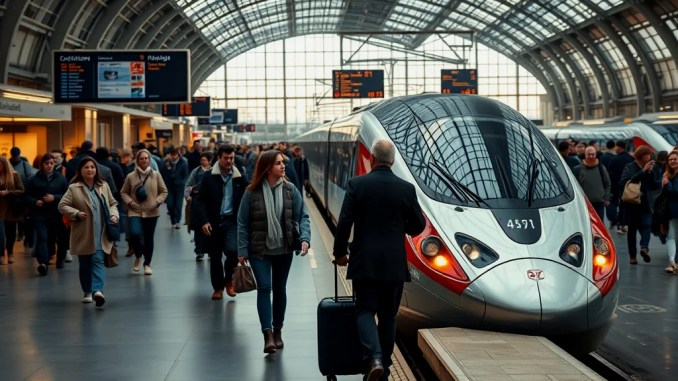
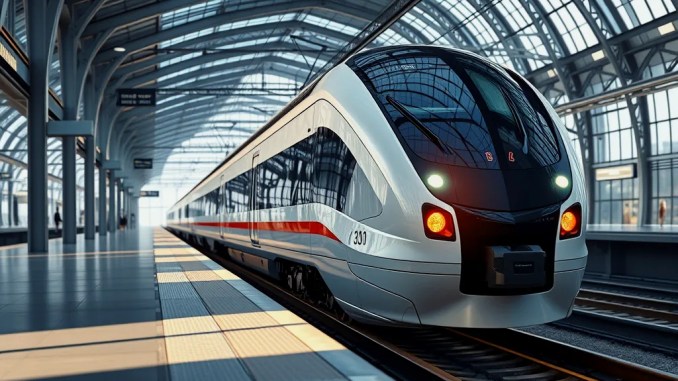
The initial batch of five Stadler FLIRT InterCity trains arrived at Hungary’s Szolnok factory and began rigorous testing even before full deployment. These trains feature a state-of-the-art dual-system design, allowing operation across multiple countries, notably Hungary, Austria, Romania, and Czechia, without the need for extensive modifications. The trains are equipped with modern technology to ensure seamless, reliable performance—setting new standards for intercity rail travel.
Expanding the Fleet: From Nine to Eleven
Originally, a contract for nine trains laid the groundwork for Hungary’s renewed intercity ambitions. However, due to the success of early testing and the rising demand for faster, more comfortable services, Hungary’s railway operator opted to exercise options for an additional two trains. This move increased the fleet size to 11 advanced units, providing a robust fleet capable of handling increasing passenger volumes and expanding service routes, particularly on the Sopron-Budapest and Szombathely-Budapest lines.
Test Operations: Cross-Border and National Readiness
This fleet undergoes a comprehensive testing program, including dynamic performance tests, safety checks, and interoperability assessments. The trains are first being tested at Romania’s Făurei test center—one of the most advanced facilities in Eastern Europe—before moving to Czechia and Hungary. These tests are crucial for achieving international certifications that will allow seamless cross border operation, especially on routes connecting Hungary with Austria and beyond.
What Makes These Trains Stand Out?
- Speed and Reliability: Capable of reaching speeds up to 160 km/h, these trains significantly cut down travel times and enhance punctuality.
- Passenger Comfort: Equipped with ergonomic seats, climate control, Wi-Fi, and USB-C charging ports, they deliver an unmatched travel experience.
- Accessibility and Modern Features: Designed with accessibility in mind, each train includes low-floor entry points, accessible toilets, and assistive features for passengers with disabilities.
- Technological Innovation: Modern onboard information systems, security cameras, and real-time communication tools ensure safety and convenience.
Passenger-Centric Amenities: Redefining Comfort
Innovative interior configurations focus on passenger needs, with capacity for over 280 seats per train, including dedicated first-class sections. During summer months, interior layouts can adapt for different passenger capacities, while the inclusion of bike racks (up to 18 bicycles per train) supports eco-friendly travel options. A mini-bistro area, equipped with food and beverage vending machines, caters to longer journeys, offering a full-service travel experience.
Future Outlook: Efficiency, Safety, and Sustainability
Complete with environmentally friendly features, these trains utilize energy-efficient technologies and contribute to Hungary’s sustainable transportation goals. As the certification processes progress, Hungary aims to fully integrate these trains into its national and international network, transforming typical travel into a fast, reliable, and luxurious experience. The phased rollout starting from 2027 will lay the groundwork for Hungary’s rail system to compete with major European high-speed networks, ultimately fostering economic growth and regional integration.