Unpacking Donald Trump’s Assertion on the Control of the Hormuz Strait
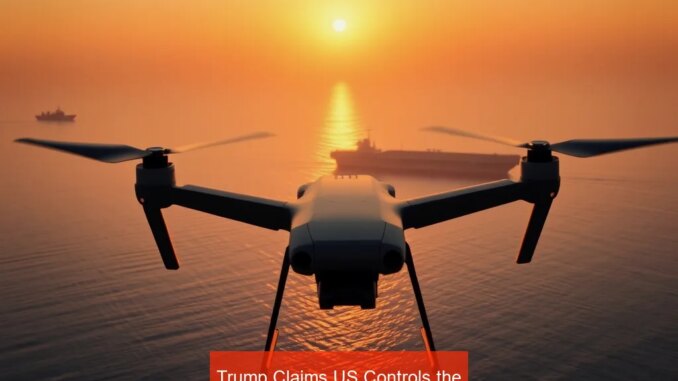
In a significant statement that echoes the ongoing geopolitical tensions in the Middle East, US President Donald Trump declared that the United States holds uncontested control over the Hormuz Strait. This vital waterway, approximately 21 miles wide, channels nearly 20% of the world’s petroleum — making its strategic importance unmatched in global energy security.
The Strategic Significance of Hormuz Strait
The Hormuz Strait is not just a narrow passage; it is a critical artery in the world’s energy supply chain. Countries like Saudi Arabia, Iran, Iraq, Kuwait, and the United Arab Emirates heavily depend on its safe passage for oil exports. Control over this strategy translates into significant geopolitical leverage, which is why the US’s assertion further escalates the ongoing conflicts in the region.
US Military Presence and Strategic Moves
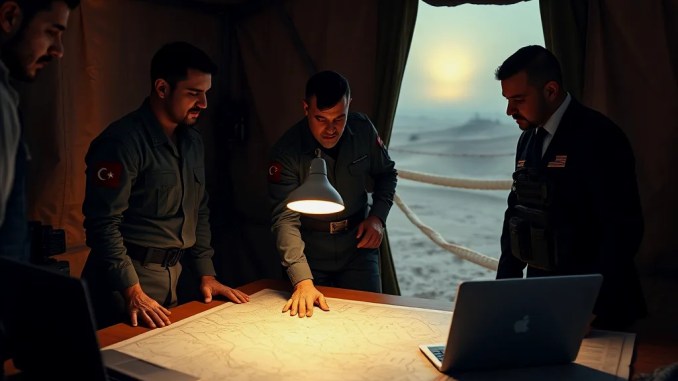
Over recent years, the US has increased its military presence in the Persian Gulf, deploying aircraft carriers, warships, and specialized forces to safeguard maritime navigation. According to Pentagon reports, these operations aim to deter Iran’s threats and ensure free passage. President Trump’s declaration aligns with these efforts, emphasizing that the US actively controls and patrols this crucial maritime route.
Implications for Iran and Regional Stability
This bold assertion directly challenges Iran, which has historically claimed ownership of parts of the Persian Gulf’s strategic waters. Iran often threatens to close the strait, especially during periods of heightened conflict with Western nations, including ongoing sanctions and diplomatic tensions. Trump’s statement may lead to increased military readiness among Iranian forces, raising the risk of miscalculations that could escalate into broader conflicts.
International Reactions and Legal Perspectives
Many international observers and maritime experts scrutinize Trump’s statement, questioning its legality and potential repercussions. According to International Maritime Law, the Strait of Hormuz is considered international waters, with passage rights protected under the United Nations Convention on the Law of the Sea (UNCLOS). However, US and allied military initiatives challenge these norms, emphasizing control and security over free navigation.
Historical Context of US Control and Regional Politics
The US’s influence over the Gulf region extends back decades, with strategic alliances and military bases supporting its dominance. The recent declaration by Trump reflects a continuation of this pattern, aimed at consolidating American dominance amid shifting regional alliances. It is essential to understand that such statements are not just rhetoric but part of a broader strategy to project power and ensure resource security.
What Does This Mean for Global Oil Markets?
Market analysts warn that any escalation or miscommunication regarding control over the Strait could cause ripple effects in global oil prices. History has shown that tensions in the Persian Gulf can push oil prices upward rapidly, impacting economies worldwide. Investors and governments thus closely monitor developments in the region, interpreting Trump’s claims as signals of potential instability.
Monitoring Future Developments
Continued US military activity, diplomatic exchanges, and Iran’s responses will determine whether control over the Hormuz Strait remains stable or deteriorates into open conflict. Analysts recommend paying attention to Pentagon briefings, regional negotiations, and global energy market trends to understand the potential scenarios ahead.