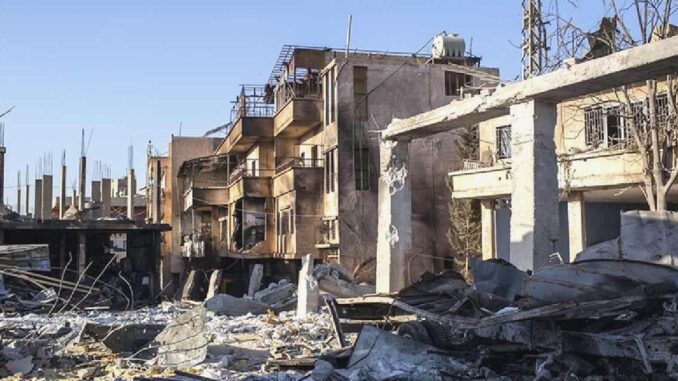
Escalating Conflicts and Human Toll Increases Daily
Since March 2, Israel has intensified its military operations against Lebanon, resulting in a staggering death toll of 2,869 civilians and an estimated 8,730 wounded. These figures reflect a rapidly worsening humanitarian crisis, with hospitals overwhelmed and emergency services strained beyond capacity. The relentless bombardments continue to devastate densely populated areas, pushing the region into an unprecedented state of chaos.
Demographics and Geographic Spread of Impact
The casualties comprise mainly civilians, including women, children, and healthcare workers caught amidst fierce combat. The southern border regions, known for their strategic importance, bear the brunt of violence, leading to a dramatic increase in displacement. According to official estimates, over one million people have been forced to leave their homes, seeking safety in overcrowded shelters or neighboring countries. This mass displacement exacerbates existing shortages in essential supplies such as food, clean water, and medical aid.
Ceasefire Constraints and Implementation Challenges
The United States announced a 10-day ceasefire that officially began on April 17, with hopes of reducing casualties and opening humanitarian corridors. However, reports indicate that violations persist, especially in southern Lebanon, where sporadic conflicts continue. The ceasefire’s effectiveness hinges on strict monitoring and robust enforcement, which remains elusive due to ongoing hostilities and lack of coordination among conflicting parties. Without genuine compliance, civilians remain vulnerable to sudden escalations.
Healthcare System Under Siege
The health infrastructure faces unparalleled destruction, with many hospitals either damaged or rendered inoperable. Critical shortages of medical supplies, including *blood units, surgical equipment, and essential medicines*, hamper lifesaving efforts. Emergency clinics are overwhelmed with trauma cases needing rapid intervention, but they lack the capacity for sustained operations. The crisis demands immediate deployment of international medical teams and supplies to prevent further loss of life.
The Humanitarian Crisis: Displacement, Shelter, and Basic Services
Mass displacement causes severe overcrowding in makeshift camps and shelters lacking adequate sanitation and hygiene facilities. Children suffer from malnutrition, and psychological trauma affects entire families who have lost loved ones and homes. Access to essentials like food and potable water deteriorates daily, especially as winter approaches. Coordinated international response is crucial to provide temporary housing, psychological counseling, and essential health services to these vulnerable populations.
Hezbollah’s Role and Israeli Military Strategies
Hezbollah has launched retaliation attacks, targeting Israeli military positions and infrastructure, which sustains the cycle of violence. Israel’s military strategy involves intensive air strikes and ground incursions aimed at degrading Hezbollah’s capabilities, yet the densely populated areas complicate these operations, often leading to civilian casualties. The ongoing conflict risks expanding beyond Lebanon’s borders, potentially embroiling the entire region in further instability.
International Responses and Aid Operations
Multiple international organizations have called for immediate humanitarian access and ceasefire adherence. Despite these appeals, security restrictions and logistical hurdles hinder aid delivery, leaving thousands without essential supplies. The UN and regional partners are working tirelessly to negotiate safe corridors for aid, but persistent hostilities threaten to stall progress. Rapid, coordinated intervention remains the key to averting an even broader humanitarian disaster.
Verification of Facts: Ensuring Credible Information
In conflict zones, information validation is vital. Rely on official statements from the Lebanese Ministry of Health, along with reports from reputable organizations like Doctors Without Borders (MSF) and the Red Cross. Cross-referencing satellite imagery, field reports, and real-time updates helps confirm casualty figures and damage assessments. Scrutinize media images and videos for authenticity, date, and location data to obtain an accurate picture amid misinformation spread.
Short- and Medium-term Prognosis and Preparedness
If current trends persist, casualties will continue rising, and healthcare facilities could face complete collapse within weeks. Diplomatic efforts focusing on ceasefire enforcement and international pressure are essential to stem the violence. Meanwhile, prepare for worsening displacement, food shortages, and potential further escalation in both Lebanon and adjacent regions. Immediate steps include boosting medical supplies, establishing mobile clinics, and strengthening civilian protection protocols under international supervision.
Key Facts at a Glance
| Topic | Data |
|---|---|
| death toll | 2,869 |
| Injured | 8,730 |
| Displaced persons | Over 1 million |
| ceasefire status | 10-day ceasefire, extended for 3 weeks, with ongoing violations |