Tragic Explosion Shakes Hunan’s Liuyang District
The Hunan province in China was rocked by a devastating explosion late last night at a firework manufacturing facility in the Liuyang district. As authorities rush to handle the aftermath, new details emerge about the scale of the catastrophe and the ongoing rescue efforts.
Understanding the Incident: What Happened?
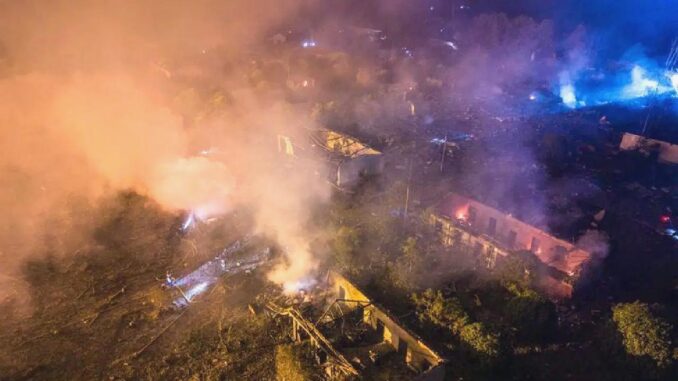
At approximately 8:00 PM local time, a powerful blast erupted within a fireworks factory, causing widespread destruction and chaos. Fireworks, chemicals, and debris scattered across the area, intensifying the danger faced by rescue crews and nearby residents.
This explosion was not an isolated event. It underscores the persistent risks associated with firework manufacturing, especially in regions where safety regulations might be less stringently enforced. The incident raises critical questions about industrial safety standards and oversight in China’s fireworks industry.
Casualties and Immediate Response
According to the local Emergency Management Bureau, the explosion resulted in the tragic death of 21 workers. Emergency teams immediately mobilized to contain fires, assess structural damages, and search for survivors. The rescue operation has been complicated by ongoing chemical hazards and unstable factory debris.
In addition, over 60 individuals have sustained injuries varying from minor burns to severe trauma. Medical teams are working tirelessly to stabilize the critically injured and provide necessary care. Hospitals in the region are operating at full capacity, emphasizing the severity of this incident.
Why Do Firework Explosions Keep Occurring?
Repeated incidents like this highlight the persistent risks involved in firework production—an industry rooted in traditional craftsmanship but often plagued by safety violations. Factors contributing to such accidents include:
- Poor safety protocols: Many factories lack comprehensive safety measures or routinely bypass safety regulations due to economic pressure.
- Chemical hazards: Fireworks involve combustible chemicals which, if mishandled, can easily ignite or explode.
- Inadequate oversight: Limited regulatory audits mean substandard factories continue operations without proper safety checks.
- Aging infrastructure: Many manufacturing sites operate in outdated buildings unable to stand with accidents.
Addressing these issues requires a multifaceted approach involving stricter regulation, enhanced safety training, and technological upgrades.
What Are the Broader Implications?
This incident in Liuyang is emblematic of a deeper challenge facing China’s fireworks industry: balancing economic benefits with safety concerns. Liuyang, known as the “Fireworks Capital of China,” hosts thousands of small factories that supply both domestic and international markets.
The explosion draws attention to the need for more sustainable practices and rigorous enforcement of safety standards, especially as global scrutiny on hazardous manufacturing intensifies. It also sparks debates on whether local governments should impose tighter restrictions or consolidate small operations into larger, safer facilities.
How Are Authorities Responding?
Local officials have swiftly responded by dispatching rescue teams, medical personnel, and safety inspectors to the scene. An immediate investigation has been launched to determine the cause of the explosion, with initial reports pointing toward potential violations of safety protocols or chemical mishandling.
Furthermore, authorities are urging nearby residents to stay clear of the area and are providing updates to keep the public informed about ongoing rescue efforts and safety precautions.
Future Prevention Strategies
To prevent future tragedies, experts advocate for robust measures such as:
- Enhanced regulatory compliance: Regular inspections and heavier penalties for violations.
- Technological innovation: Introducing automation and remote monitoring to reduce human error.
- Worker training: Comprehensive safety programs for employees handling hazardous chemicals.
- Community engagement: Educating local populations and workers about risk awareness and safety procedures.
Only through persistent commitment to safety and accountability can the industry hope to curtail such deadly incidents and protect lives while sustaining economic vitality.