
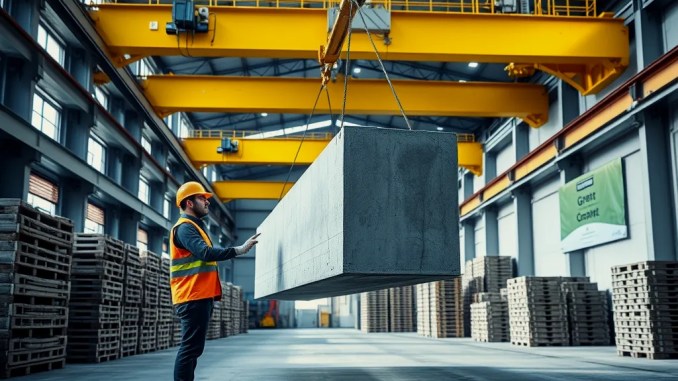
North Bay Plant to Supply Concrete Railroad Ties Locally
Ontario announced a CA$1 million investment to establish a concrete railroad tie manufacturing line in North Bay. The funding will renovate an existing building, buy production equipment and support market development. Officials expect the project to create about 19 full‑time jobs and to supply ties for heavy freight corridors, high‑speed rail segments and urban transit projects across Canada.
How the Funding Will Be Spent and Why It Matters
The grant—delivered through the Northern Ontario Heritage Fund Corporation (NOHFC)—targets three concrete priorities: building refurbishment, purchase of concrete tie molds and curing equipment, and commercial outreach to secure contracts with regional rail projects. Renovating an existing facility shortens lead time to production, and buying standardized molds lets the plant produce industry‑specification ties for both ballasted and ballastless track systems.
Practical impact: producing ties locally reduces import dependence, lowers transport costs for heavy elements, and improves scheduling flexibility for maintenance and expansion projects. Local production also helps mitigate supply chain disruptions from cross‑border tariff or logistics shocks.
Who Is Behind the Project: RailOne Rainbow Canada
RailOne Rainbow Canada Corp. leads the initiative, combining Rainbow Concrete Industries’ regional presence with PCM RailOne Canada’s supply expertise. The joint venture brings German concrete rail technology with 70 years of engineering heritage and adapts it to Canadian specifications. Management projects that initial output will prioritize existing Canadian transit contracts and fast‑moving regional freight needs while scaling to new clients.
Existing Canadian Projects That Demonstrate Capability
RailOne already delivered concrete rail systems to major projects in Ontario and Quebec. Notable deliveries include 5,000 concrete ties for the Hurontario transit project and RHEDA CITY ballastless track components for Montreal’s Réseau express métropolitain (REM). The company reports past deliveries of 17,000 linear meters for Hurontario and 14,000 meters of RHEDA CITY for REM, illustrating capacity to meet multi‑project demand across different track technologies.
What Tie Types and Volumes the Plant Can Produce
Typical product lines for the plant will include:
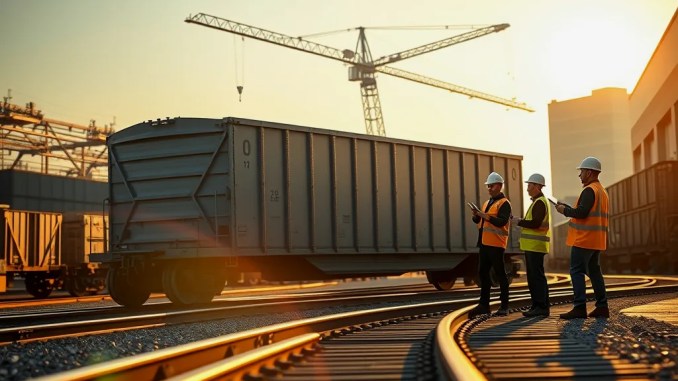
– Standard monoblock concrete ties for heavy freight and regional passenger services.
– Precast ballastless track elements (RHEDA CITY style) for urban and high‑speed segments.
– Specialized HHT‑15 heavy‑haul ties for locomotives and ores, used in previous North American projects.
Production scaling example: a single modern precasting line with automated formwork and 24/7 curing cycles can output several thousand ties monthly. With CA$1M support focused on fit‑out and tooling, the plant can reach initial commercial production quickly and expand capacity as contracts materialize.
Local Economic and Supply‑Chain Benefits
NOHFC prioritized this project to protect local manufacturing jobs and strengthen regional supply chains. By replacing imported ties with domestic production, Ontario reduces freight costs and lead times for rail projects. The NOHFC’s CA$110 million annual budget supports similar initiatives; Recent announcements included over CA$3.4 million for other regional manufacturers.
Community effects: 19 expected direct jobs will include skilled precast operators, quality technicians and logistics staff. Indirect employment in transport, materials supply and maintenance typically multiplies that number in local economies.
Technical and Commercial Risks—and How They’re Addressed
Key risks include production ramp‑up, certification to Canadian track standards and securing multi‑year contracts. The joint venture mitigates these risks by leveraging RailOne’s technical templates, prior project references (Hurontario and REM), and by using standardized German‑derived formwork and curing protocols proven in heavy‑haul contexts.
Step‑by‑step ramp plan: 1) complete building retrofit and install core equipment; 2) commission a pilot mold run and test ties to track authority specs; 3) secure initial offtake agreements with regional transit and freight operators; 4) scale to continuous production and add secondary lines as demand grows.
What Remains Unconfirmed and What to Watch Next
Officials did not disclose the plant’s projected annual capacity, exact timeline to first production or the total private investment that will accompany NOHFC’s grant. Watch for planning permits, equipment procurement notices and initial commercial contracts—those documents will reveal the plant’s true scale and cadence. Procurement notices or contractor招标 will also indicate build schedules and hiring phases.
Why This Project Does Matter Nationally
A domestic viable tie supply supports faster, cheaper rail upgrades across Canada. As provinces and transit agencies accelerate maintenance and expansion, on‑shore precasting reduces lead times and creates localized expertise in concrete rail technologies—critical when planning multi‑year infrastructure programs. The North Bay project provides a replicable model: modest public seed capital to de‑risk facility startup, matched with international manufacturing know‑how and targeted contract pipelines.
Bottom Line
Ontario’s CA$1M NOHFC investment enables a near‑term production capability for concrete railroad ties in North Bay, led by RailOne Rainbow Canada. Expect the plant to prioritize regional transit and freight contracts, scale by securing offtake agreements, and deliver both economic and supply‑chain resilience benefits to Northern Ontario.






Be the first to comment