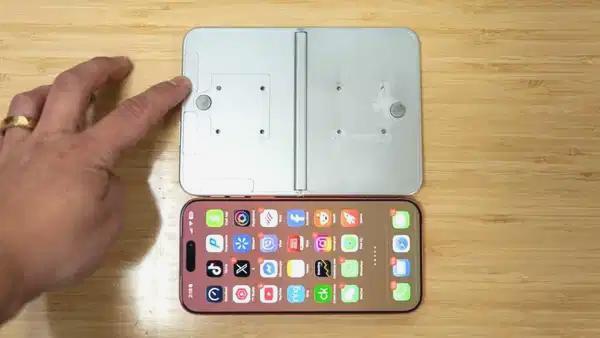
Revolutionizing Mobile Experience: Apple’s Foldable iPhone Emerges
In a bold move to redefine the smartphone landscape, Apple is preparing to launch its first foldable iPhone, a device that promises cutting-edge innovation with a design reminiscent of Google Fold and Samsung Galaxy Z Fold. This device is set to challenge existing perceptions of smartphone durability, usability, and ecosystem integration. As rumors intensify and leaked images surface, tech enthusiasts and industry experts are eagerly analyzing every detail—prompting the question: Can Apple’s foldable iPhone truly dominate the market and reshape user experience?

Design and Build: Seamless Transition Between Tablet and Phone
The most striking feature of Apple’s foldable iPhone is its practical, yet sleek design. According to leaked renders, the device features a lateral hinge that allows the phone to fold open to reveal a large, nearly seamless display. When closed, it maintains the form factor of a traditional smartphone, ensuring portability and ease of use. Experts speculate this hinge employs advanced composite materials to stand with thousands of folds without compromise, addressing one of the key challenges in foldable device engineering.

The exterior sports a durable glass and aluminum frame, combining premium aesthetics with resilience. The inner display, likely a foldable OLED panel, is expected to use ultra-thin flexible technology to prevent creasing and ensure smooth operation. This design choice emphasizes Apple’s commitment to premium quality and longevity.
Screen Size and User Interface: Balancing Compactness and Productivity
The internal screen is speculated to measure around 7.8 to 8 inches, providing enough space for multitasking and media consumption. When folded, users can enjoy a compact form factor similar to current flagship smartphones, ideal for one-handed use and pocketability.
Apple’s software innovation focuses on an adaptive interface that intelligently adjusts to the device’s fold state. Expect to see a robust
multitasking environment with support for split-screen multitasking, picture-in-picture, and app continuity. These features aim to optimize the device for both casual users and professionals, bridging the gap between smartphone and tablet experiences.
Performance and Hardware: Powering the Future
The foldable iPhone will likely feature Apple’s latest A-series chip, possibly the A17 Bionic, ensuring competitive performance and energy efficiency. Coupled with a minimum of 12GB RAM and ample storage options, this device aims to handle intensive tasks like video editing and gaming seamlessly.
Battery technology is crucial for foldables. Rumors suggest Apple could integrate a larger capacity battery by optimizing internal space and adopting efficient components, thus addressing common foldable devices’ shorter battery life. Additionally, expect Apple’s proprietary magSafe charging and fast-charging capabilities to enhance user convenience.
Camera System: Elevating Photography in Foldable Form
While not much has been confirmed about the camera setup, industry insiders predict a multi-lens system similar to current iPhone Pro models, featuring wide, ultra-wide, and telephoto lenses. The device might include advanced stabilization, night mode improvements, and AI-driven photography features to leverage the large foldable screen as a viewfinder and editing workspace.
Innovative camera placement on the foldable model could allow for unique photo angles and expanded creative options, pushing the envelope for mobile photography on foldable platforms.
Durability and Longevity: Overcoming the Foldable Hurdle
One of the main concerns with foldable devices is durability. Apple is expected to employ a reinforced hinge mechanism with liquid metal components and advanced sealants to prevent dust and water ingress. The display might also feature scratch-resistant, fold-resistant coatings designed to maintain clarity over prolonged use.
Apple’s meticulous approach to hardware testing, including tens of thousands of fold cycles, aims to satisfy consumers who worry about device fatigue. The firm’s reputation for craftsmanship indicates that they will likely push the boundaries of foldable longevity.
Software and Ecosystem: Ensuring a Seamless Transition
Apple’s iOS updates will specifically tailor the experience for foldables with dedicated API support for multi-window tasks, app continuity, and gesture controls. Developers will receive tools to adapt their applications for optimal performance, making the update ecosystem robust.
This integration ensures users experience a smooth transition from folded to unfolded modes, with all apps automatically adjusting to the larger screen or compact form. The seamless ecosystem connection across iPhone, iPad, and Mac further enhances the appeal of this foldable device.
Pricing Strategy and Market Positioning
Given its advanced hardware and innovative design, the foldable iPhone is expected to carry a premium price tag—possibly between $1,500 to $2,000. Apple aims at capturing the high-end market segment, targeting early adopters and professionals needing a powerful multitasking device.
The company’s strategy involves limited initial production and exclusive availability, positioning the foldable as a luxury product that complements its ecosystem of premium devices.
Market Impact and Consumer Expectations
This device is poised to disrupt the foldable phone market dominated by Samsung and other Android manufacturers. Apple’s reputation for durability, seamless software integration, and innovative hardware placements promise to attract a wide consumer base. As Apple enters this segment with a refined, high-quality foldable, it is likely to redefine what users expect from mobile devices—combining the portability of a smartphone with the expansive usability of a tablet.