
Unleash the Power of Your Gut for Better Overall Health
Your gut health plays a pivotal role in nearly every aspect of your well-being, from your immune system to your mood. Yet, many overlook simple, evidence-based strategies that can dramatically enhance gut microbiota within weeks. If you want to transform your digestion, boost immunity, and feel more energized without drastic measures, read on. This comprehensive guide provides actionable, scientifically-supported steps to optimize your gut flora starting today.
Why Prioritize Your Gut Microbiota?
Recent studies show that a diverse and balanced gut microbiome can prevent chronic illnesses, reduce inflammation, and even improve mental health. Gut bacteria influence nutrient absorption, produce vital neurotransmitters, and protect against pathogen overgrowth. Conversely, an unhealthy microbiome often correlates with bloating, fatigue, allergies, and autoimmune disorders. Taking targeted steps to diversify and strengthen your microbiota is one of the most effective investments in your health.
Increase Plant Diversity Significantly
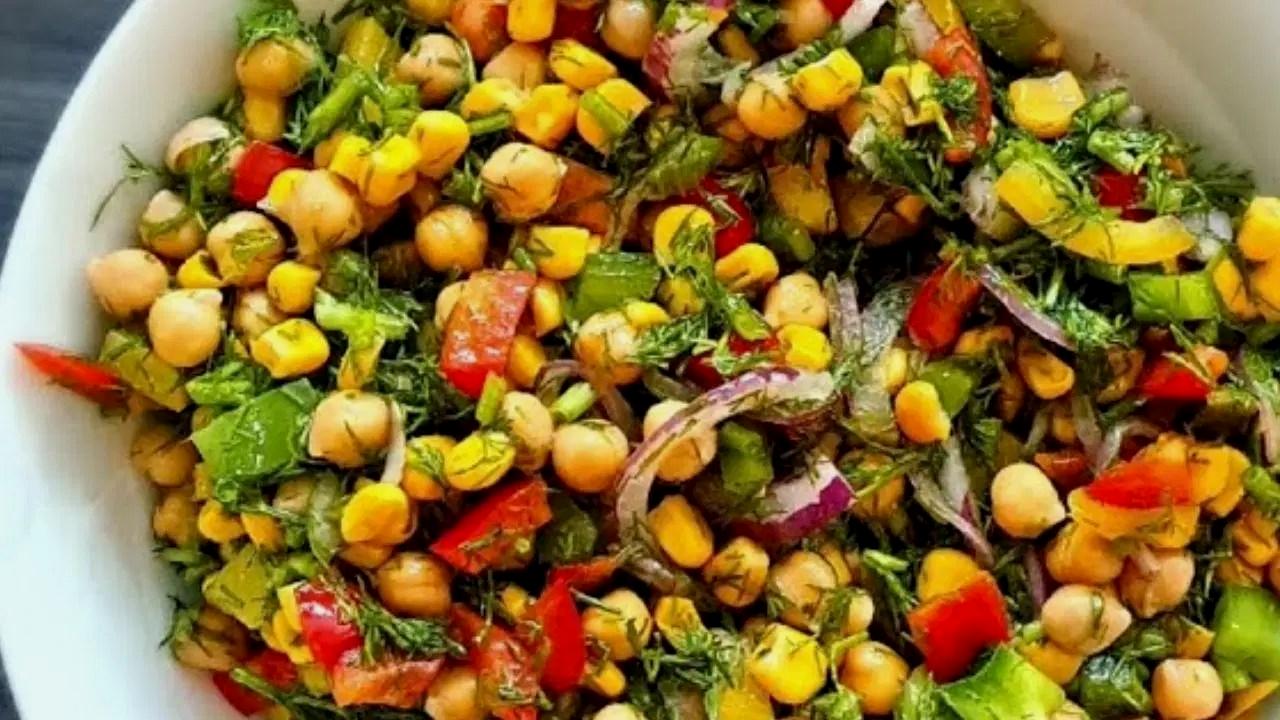
To promote microbiome diversity, aim to consume at least 30 different plant species weekly. This doesn’t mean eating 30 types of vegetables daily but making strategic choices throughout the week. Incorporate a variety of fruits, vegetables, herbs, nuts, seeds, and legumes. Each plant provides unique fibers and polyphenols that feed different bacterial strains, fostering a resilient and balanced gut ecosystem.

Practical Tips: Add new plant foods gradually. For example, include berries, leafy greens, or exotic vegetables like artichokes or fennel into your meals. Use different cooking methods—raw, steamed, roasted or fermented—to maximize benefits. Keep track of your plant intake, aiming for a colorful plate with multiple textures and flavors daily.
Leverage Prebiotics and Probiotics Effectively
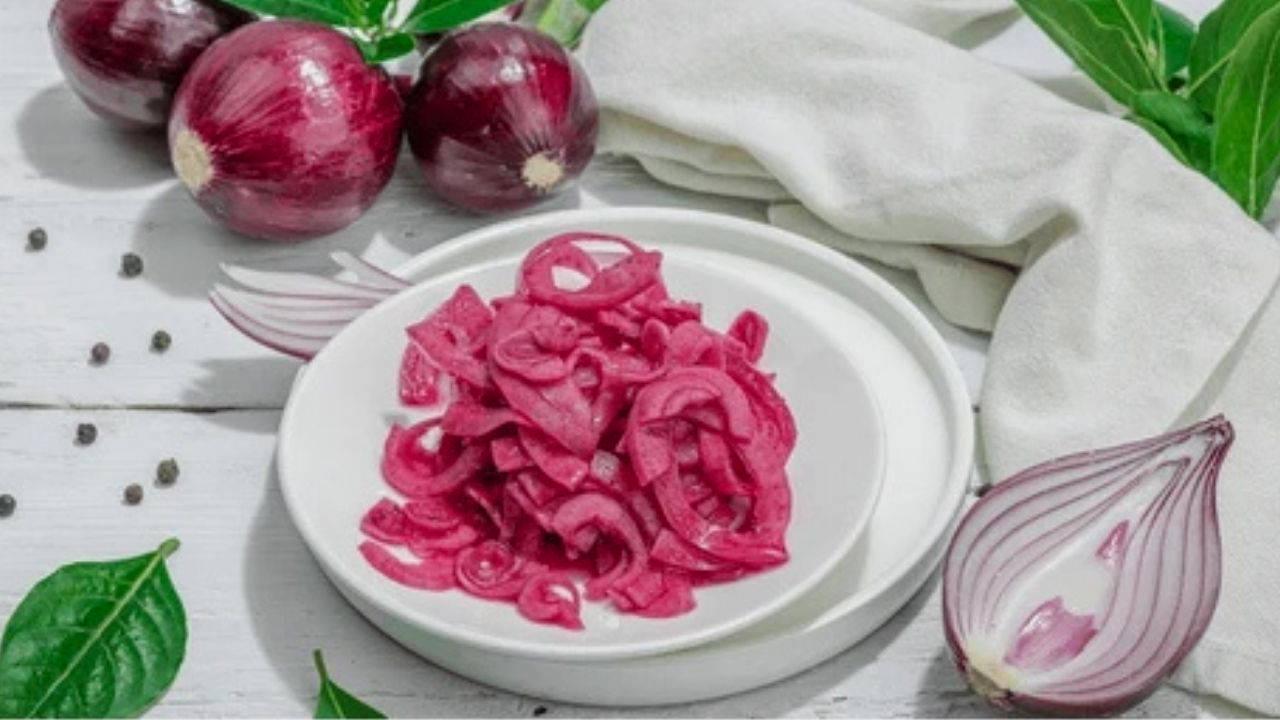
Prebiotics are dietary fibers that serve as fuel for beneficial bacteria. Key sources include garlic, onions, leeks, asparagus, bananas, oats, and chicory. Incorporate prebiotics into every meal by adding raw garlic to salads, slicing onions into sandwiches, or snacking on bananas.
Probiotics involve consuming live beneficial bacteria. Incorporate fermented foods such as yogurt with live cultures, kefir, kimchi, sauerkraut, and natto regularly. Look for labels that specify “live and active cultures” and check storage instructions to ensure potency.

Strategy: Start with small servings of probiotic foods daily, and gradually increase duration to allow your gut to adapt. Combine prebiotics and probiotics to create a synergy that boosts colonization resistance against harmful microbes.
Select Fermented Foods Judiciously
Fermented foods provide a concentrated source of diverse bacterial strains that are distinct from supplement options. The key is choosing products that are minimally processed, unpasteurized, and stored under refrigeration. Read labels carefully—look for terms like “live cultures” and avoid items with preservatives or excessive sugar.
Homemade Ferments such as sauerkraut, kimchi, or kombucha let you control ingredients and microbial diversity. They also tend to contain more active cultures than commercial variants. Regularly consuming a variety of fermented foods multiplies your microbiome’s diversity, enhancing resilience and stability.
Avoid or Minimize Harmful Food Additives
Processed foods with artificial sweeteners, emulsifiers, preservatives, and other additives can harm beneficial bacteria and reduce diversity. Studies indicate that certain emulsifiers and artificial sweeteners disturb microbial balance, promote pathogenic bacterial overgrowth, and impair gut barrier functions.
Practical advice: Read labels meticulously. Favor whole, unprocessed foods—fresh produce, nuts, seeds, and meats—over packaged snacks and ready-made meals. Cooking from scratch gives you full control over ingredients, reducing exposure to microbiome disruptors.
Implement Intermittent Fasting Safely
Intermittent fasting, specifically a 12- to 16-hour fast window, can significantly benefit your gut health by allowing microbiota to rest and regenerate. During fasting, beneficial bacteria proliferate, while harmful strains diminish. Consistent fasting patterns also stabilize blood sugar levels and reduce inflammation.
Start gradually: finish your last meal by 7 PM and delay breakfast until 7 or 8 AM. For advanced practitioners, adopt a 16:8 fasting-to-eating window. However, individuals with health conditions like diabetes or pregnant women should consult healthcare professionals beforehand.
Prioritize Adequate Sleep and Stress Management
An often-overlooked aspect of gut health is your sleep quality. Disrupted or insufficient sleep impairs gut barrier function and microbiome diversity. Aim for 7-9 hours of quality sleep, maintaining a consistent sleep schedule. Minimize exposure to blue light at least 1-2 hours before bedtime and create a relaxing pre-sleep routine.
Chronic stress increases intestinal permeability (“leaky gut”) and fosters dysbiosis. Practice relaxation techniques such as mindfulness, meditation, deep breathing exercises, or yoga. Regular physical activity, especially aerobic exercises like brisk walking, also reduces stress hormones and promotes healthy microbiota.
Adopt Consistent Exercise Routines
Exercise influences gut microbiota composition by increasing microbial diversity, promoting beneficial bacteria such as Lactobacillus and Bifidobacterium. Aim for at least 150 minutes of moderate-intensity activity weekly. Incorporate walking, cycling, swimming, or bodyweight workouts. Resistance training twice weekly further boosts microbiome health.
Monitor your progress with personal metrics such as energy levels, bowel movements, mood, and weight. Use a journal or app to track changes and adjust your routine accordingly. Remember, consistency is key—long-term habits outperform short-lived efforts.
Sample Daily Routine to Supercharge Gut Health
| Time | Activity & Meal |
|---|---|
| 07:00 | Eat a breakfast with oatmeal, banana, and blueberries (rich in prebiotics and antioxidants) |
| 10:30 | Snack on Greek yogurt or kefir with a handful of almonds (probiotics + healthy fats) |
| 12:30 | Include a colorful salad with leafy greens, tomatoes, onions, and chickpeas (plant diversity and fiber) |
| 17:00 | Enjoy fresh fruit and a few walnuts (fiber + omega-3 fatty acids) |
| 19:00 | Finish dinner early with grilled fish, steamed asparagus, and fermented vegetables like sauerkraut (fermented foods for probiotic strains). Ensure last meal finishes by 7 PM to support fasting goals. |
What Happens When You Transform Your Gut?
Implementing these practices systematically not only improves digestion but also enhances metabolic health, reduces systemic inflammation, and boosts mental clarity. Expect better absorption of nutrients, fewer digestive discomfort issues, and a stronger immune response. Over time, a resilient microbiome can even influence your cravings, helping you prefer healthier foods.