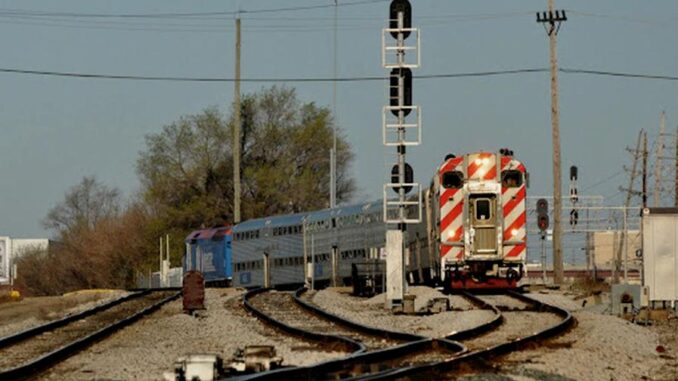
Chicago’s metropolitan transit infrastructure faces an urgent call for reform as Metra initiates a sweeping safety campaign targeting its extensive rail network. With over 7,300 miles of track and more than 10,000 crossings across Illinois, the stakes couldn’t be higher. This ambitious initiative is designed not only to enhance security but to fundamentally reshape how passengers, pedestrians, and drivers interact with the city’s rail systems.
In recent years, Illinois has seen a troubling trend of rail-related accidents, emphasizing the critical need for enhanced safety measures. Between 2024 and 2025, Illinois recorded over 25 fatalities at railroad crossings—marking a significant rise from previous years—and underlining the urgency for comprehensive preventative strategies. Metra’s new program aims to directly address these risks through an integrated approach involving advanced technology, community engagement, and strict enforcement.
Comprehensive Safety Operations Across the Network
The core of Metra’s initiative revolves around Operation Lifesaver, a nationally recognized safety campaign supported by federal agencies and railway operators. Starting in 2026, Life-Saving Operations Safety Inspections—literally meaning “Life-Saving Operations Safety Inspections”—will roll out across 41 key stations within six strategically targeted districts. These inspections are designed to be both thorough and continuous, ensuring that potential hazards are identified and mitigated before they cause harm.
Each station selected for this program presents unique challenges, from high-volume commuter hubs to less-frequent rural crossings. The goal is to deploy dedicated safety personnel who will perform regular inspections, check the integrity of safety features such as barriers and signals, and provide immediate feedback on protocol adherence.
Focus on Education and Community Involvement
Beyond physical inspections, Metra emphasizes public education campaigns tailored to diverse audiences. Tickets and flyers will be distributed at stations, with a focus on *raising awareness* about safe crossing behaviors, smartphones’ distraction during rail crossings, and the dangers of ignoring warning signals. Special attention is given to schools near rail corridors, where juvenile safety is a top priority.
Efforts also include training programs for school bus drivers and local residents who frequently interact with train crossings. The aim is to foster a safety-first mindset, making awareness a community-wide effort rather than relying solely on technological safeguards.
Technological Innovations Driving Safer Rail Crossings
To complement on-the-ground inspections, Metra is investing heavily in state-of-the-art safety technology. This encompasses:
- Enhanced video surveillance systems for real-time monitoring of crossings
- Upgraded warning signal infrastructure with brighter, more responsive lights
- AI-powered risk detection sensors that can preempt potential accidents by analyzing approaching vehicle and pedestrian patterns
> These technological tools not only assist in immediate incident prevention but also contribute to long-term data collection, enabling predictive maintenance and iterative safety improvements.
Legal Enforcement and Penalties
Throughout the program, strict enforcement measures will be applied. Citations and fines will be issued for traffic violations around crossings, such as ignoring signals, trespassing on tracks, or reckless driving. Metra Police will conduct regular patrols to ensure compliance, utilizing advanced licensing and plate recognition systems to identify offenders swiftly.
Law enforcement’s active role aims to serve as a deterrent, reinforcing the importance of obeying safety protocols. In cases of repeated violations or severe negligence, authorities may pursue legal actions, including license suspensions or criminal charges, to emphasize the gravity of crossing safety violations.
Addressing Specific Risk Factors and High-Risk Zones
Metra’s data analysis reveals that certain areas exhibit higher accident rates due to geographical, behavioral, or infrastructure vulnerabilities. These include busy intersections near downtown Chicago, crossings close to school zones, and rural intersections with outdated signal systems.
For these high-risk zones, additional mitigation strategies will be implemented, such as:
- Adding automatic gating systems that physically prevent crossing when a train approaches
- Installing solar-powered warning lights where traditional electrical systems are unfeasible
- Implementing community alert systems to notify drivers and pedestrians about approaching trains via mobile alerts and local broadcasts
> These tailored strategies demonstrate Metra’s commitment to data-driven safety policies, adjusting resources according to real-world risk levels.
Partnerships and Broader Rail Safety Framework
Metra’s campaign collaborates with multiple stakeholders, including Illinois’ Department of Transportation (IDOT), local municipalities, and federal agencies like the Federal Railroad Administration (FRA). An integrated safety network ensures that policy updates, funding, and public education are synchronized across jurisdictions.
Notably, the partnership emphasizes training programs for law enforcement and emergency responders, creating a seamless response system for accidents and near-misses. These collaborations foster a culture of safety and shared responsibility across all levels of governance and the community.
Measuring Success and Future Outlook
Real-time data collection will enable Metra to measure the effectiveness of this transformative safety program. Key performance indicators include reduction in crossing-related accidents, compliance levels during inspections, and community feedback. Regular evaluations will be conducted, and strategic adjustments made, ensuring these initiatives remain dynamic and responsive to emerging challenges.
In addition, future plans involve expanding technological innovations like driverless train sensors and smart crossing infrastructure, linking the entire network with smart city initiatives to create a cohesive, safer urban environment.