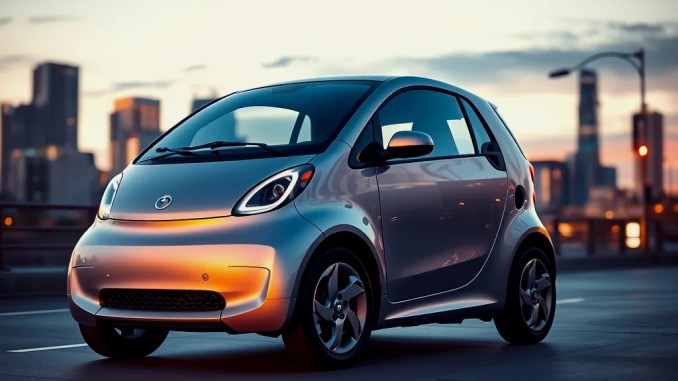
Shift your perspective and look beyond the high-end electric vehicles dominating headlines. The European EV market is experiencing a seismic shift — moving swiftly from luxury flagship models towards accessible, compact, and budget-friendly options. This transformation isn’t just about consumer choice; It’s about redefining the entire landscape of sustainable mobility across the continent. The Surge of Affordable Electric Vehicles Electric vehicles priced below €25,000 are poised to double in number by 2026. This isn’t a minor trend; It’s a revolution that threatens to democratize electric driving. These lower-priced models are emerging from both traditional automakers and new entrants, delivering a broader range of choices for everyday consumers. As affordability increases, expect electric cars to shed their image as premium products and become standard options for the average driver. Breaking Down the Market Dynamics – *Current State of Affordable EVs:* In 2024, the European market features around 20 models beneath the €25,000 threshold. These include compact city cars and small hatchbacks designed for urban environments, where maneuverability and low operating costs are paramount. – *Projected Growth:* By 2026, the number of such models is expected to surpass 60. This rapid increase stems from automakers expanding their portfolios to include multiple variants tailored for different markets, boosted by advancements in battery technology and manufacturing efficiency. – *Sales Amplification:* Sales of these budget-friendly EVs will skyrocket — increasing nearly 7-fold compared to 2024 as consumer confidence grows and stigma around electric affordability diminishes. Implications for Consumers and the Market This surge in affordable models has several significant consequences: – *Wider Accessibility:* Electric vehicles will become accessible to middle-income households, not just early adopters or luxury buyers. – *Enhanced Competition:* Increased options exert downward pressure on prices, benefiting consumers through more competitive offerings. – *Market Diversification:* Automakers will diversify their electric lineup, leading to innovations in design, features, and performance tailored for urban and suburban use. The 2026 Model Boom By the time 2026 arrives, roughly 60 new affordable EV models will hit European roads. This influx will be driven by major automakers’ strategic shifts, focusing on cost reduction, modular platforms, and economies of scale. The result? Consumers will have access to a variety of small, efficient, and affordable electric cars—perfect for city dwellers and those upgrading from traditional gasoline vehicles. Electrification Trends & Consumer Behavior What does this mean for the average driver? – _Increased Adoption Rate:_ As more budget-friendly EVs become available, the adoption rate will accelerate dramatically. – _Lower TCO (Total Cost of Ownership):_ Reduced purchase prices combined with lower running costs incentive switching from gasoline or diesel vehicles. – _Government Incentives:_ Many European countries offer incentives, further lowering effective costs and encouraging mass adoption. Market Share Expansion & Competitor Strategies Sales data shows electric vehicles account for about 22% of all new cars sold in Europe. The trend is upward, driven by the influx of affordable models. Major automakers are now investing heavily in developing small, cost-conscious EVs, understanding that the future lies in mass-market penetration. – *European Manufacturers:* Lead with roughly 60% of existing models, continuously expanding their offerings to include more entry-level options. – *Chinese Brands:* Also increasing their presence, bringing competitive pricing and innovative features. Policy and Infrastructure Support The rapid growth of affordable EVs hinges on the supportive policy environment and robust infrastructure. Key points include: – *Charging Networks:* Expanding fast-charging infrastructure ensures that new entrants can confidently adopt EVs without range anxiety. – *Regulatory Framework:* Strict emissions standards and bans on internal combustion engine sales in several countries increasing the urgency for mass adoption. – *Incentives and Rebates:* Governments continue to offer subsidies, tax breaks, and other financial incentives to reduce upfront costs. Challenges and Future Outlook While the outlook is promising, challenges remain. Ensuring consistent quality, maintaining battery supply chains, and building consumer trust in new models are critical. Furthermore, the deployment of widespread charging infrastructure must keep pace with vehicle sales. However, with automakers aggressively expanding their model lineups below the €25,000 mark, and governments committed to reducing emissions, the future looks promising. The next few years will see a dramatic shift toward accessible electric mobility, reshaping the European automotive landscape. Conclusion The European EV market is on the cusp of unprecedented growth driven by affordable electric models. As the number of budget-friendly options doubles and sales surge, expect electric driving to become a default choice for millions across the continent. This shift not only accelerates sustainability efforts but also democratizes car ownership, making electric mobility truly inclusive. FAQs – *Why are electric cars below €25,000 becoming more common?* Because advancements in battery technology, manufacturing efficiencies, and increased competition enable automakers to reduce prices and expand their model range. – *Will these affordable EVs compromise on performance?* Not necessarily. Many small EVs now offer impressive range and features suitable for urban and suburban driving. – *How does infrastructure support impact the adoption of budget EVs?* Widespread, reliable charging stations ease range anxiety and make owning an affordable EV practical for everyday use. – *Are government incentives crucial for this market growth?* Yes, they significantly lower upfront costs, motivating consumers to choose electric over traditional vehicles. – *What can I expect from the European EV market in the next 5 years?* Expect a rapid increase in available low-cost models, higher adoption rates, and a substantial reduction in emissions from the regional fleet.