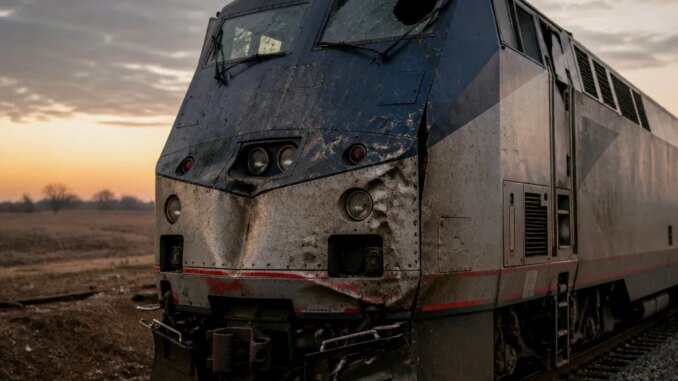
The recent locomotive shortage plaguing Amtrak has triggered widespread disruption across key rail routes in Illinois and Michigan, illustrating the fragility of passenger rail infrastructure when faced with equipment shortages. The situation escalates as multiple state-supported train services are canceled or postponed, causing significant inconvenience to commuters and travelers alike. The core issue stems from an insufficient number of available locomotives, which Amtrak has not publicly clarified in technical detail but admits critically hampers their daily operations. This shortage isn’t merely a logistical hiccup; it jeopardizes scheduled services, forcing Amtrak to scrap regular routes and switch some operators to bus alternatives, creating ripple effects across the region’s transit ecosystem. ## Disruption on Illinois Zephyr and Lifeline Routes The Illinois Zephyr service connecting Chicago to Quincy exemplifies how deeply the locomotive crisis affects regional mobility. Between August 1-3, the 383 and 380 trains faced substantial delays and cancellations. For instance, the 383 train, which departed La Grange, experienced mechanical reviews and a delay of approximately 2.5 hours before reaching Quincy. Ironically, while the train managed to run after maintenance, its return service, the 380 train to Chicago, was canceled without an alternative transportation plan. Travelers waiting in Quincy faced the frustration of unexpected cancellations, revealing how vital every train run is for small cities dependent on train connectivity. Amtrak’s official stance indicates they couldn’t provide replacements via bus due to logistical limitations, highlighting a systemic vulnerability. ## Michigan’s Pere Marquette and State Support Challenges The Michigan-based Pere Marquette line endures similar woes. During August 4-7, the 370 and 371 trains linking Chicago with Grand Rapids faced cancellations, alongside disruptions to the Lincoln Service between Chicago and St. Louis and the Wolverine connecting Chicago to Pontiac. Daily service frequency on routes like Pere Marquette is limited, typically operating just one train pair per day. Such low frequency means even a single train cancellation severely curtails regional mobility. Passengers often resist lengthy delays, opting for alternative transport modes, but with Amtrak’s current situation, buses or rerouting become the only options. Table: Disrupted Routes and Frequency | Route | Typical Frequencies | Disruptions | Impact Severity | |———|———-|————–|—————–| | Illinois Zephyr | 2 daily trains | Canceled, delayed | High, especially for small towns | Pere Marquette | 1 train each way | Canceled | Severe, limits regional connection | | Lincoln Service | Multiple daily trains | Partial cancellations | Moderate to high | | Wolverine | Daily runs | Canceled | Significant for cross-country travel | ## Alternative Transportation and the Strain on Buses Faced with cancellations, Amtrak has resorted to deploying replacement buses for affected routes. However, this stopgap measure introduces new challenges—bus capacities, scheduling conflicts, and loss of rail comfort and speed compromise the travel experience. Many passengers find bus alternatives less reliable, especially when routes involve long-distance segments. For example, travelers on the Chicago-Pontiac Wolverine route experienced overcrowded buses and delayed schedules during the first week of August. Some agendas faced disruption, especially amid high summer travel volumes, amplifying traveler frustration. The critical question emerges: Can buses truly substitute rail services, or do these disruptions expose the pressing need for a more resilient rail fleet? ## The Unknown Timeline for Restoring Full Locomotive Operations While Amtrak has acknowledged the locomotive shortage, it remains tight-lipped about exact timelines for resolving the crisis. The affected routes show no immediate signs of restoration, and the ongoing availability issues threaten to extend into the coming weeks. Industry analysts warn that without proactive locomotive maintenance, acquisition of new equipment, or strategic fleet management, these disruptions could become a persistent problem. Meanwhile, *long-distance* trains like the Gotham and Hiawatha are experiencing delays, not merely due to locomotive shortages but also because of crew scheduling and logistical bottlenecks. ## Broader Implications and Future Outlook This locomotive shortage underscores broader vulnerabilities in the US passenger rail system—a system that relies heavily on aging infrastructure and limited rolling stock. With state governments investing in rail upgrades, the current challenge highlights how fragile supply chains can quickly undermine such investments. The crisis emphasizes the necessity for investments in locomotive maintenance, fleet diversification, and strategic planning to improve resilience. Moreover, it prompts policymakers and rail operators to reassess emergency preparedness and modernization strategies. In conclusion, the Amtrak locomotive shortage not only disrupts specific routes but also exposes systemic weaknesses in regional and national rail operations. As the region grapples with these uncertainties, the demand for strategic solutions becomes urgent—ensuring that passenger rail can return to reliable service and support sustainable transportation futures.