Introduction: The Changing Landscape of Saudi Arabia’s Road Signs
In an unprecedented move, Saudi Arabia has redefined the way it communicates its sacred boundaries on public roads. The longstanding “Muslims Only” signage, once a familiar sight for travelers, has been entirely replaced with new indicators that clearly delineate the limits of the Haram. This shift marks more than a simple cosmetic update—it’s a strategic clarification aimed at enhancing understanding and legal adherence among drivers and visitors.
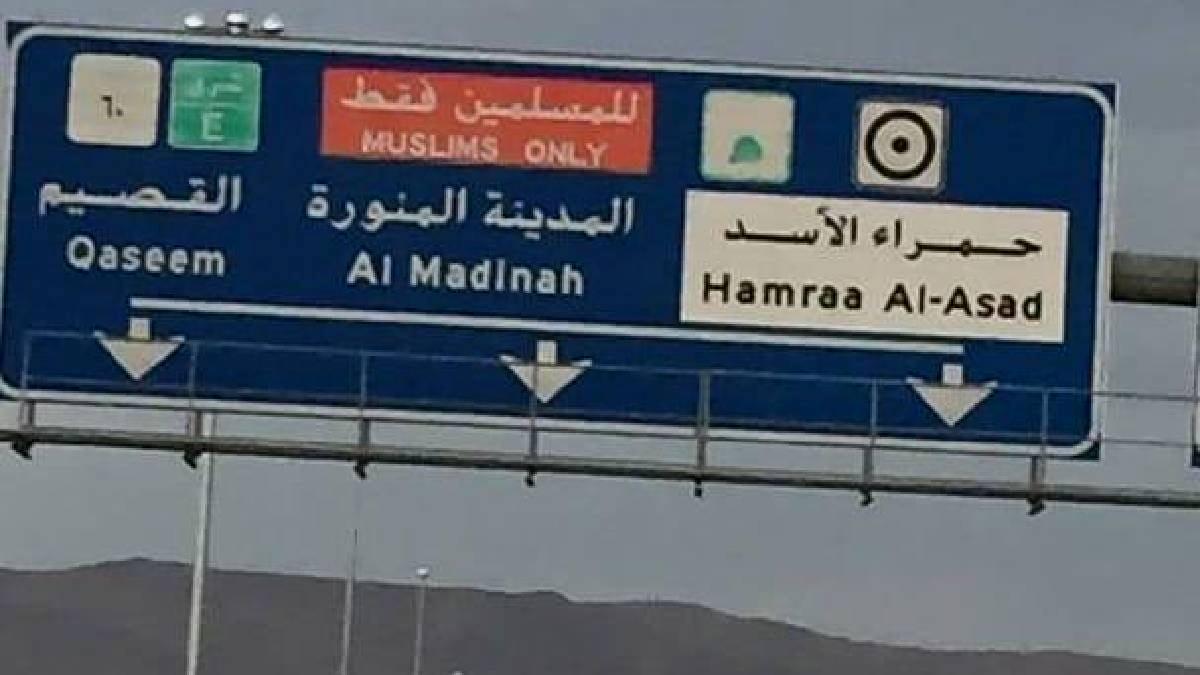
The Historical Context of Religious Signage on Saudi Roads
For decades, the “Muslims Only” signs served as a religious demarcation, signaling restricted access for non-Muslims into the holy precincts surrounding Makkah and Madinah. These signs were often seen as symbolic of the country’s Islamic identity but also posed questions about clarity for international travelers unfamiliar with local customs. The decision to eliminate these signs in favor of more geographically explicit markers reflects a desire for clear, legal, and culturally respectful communication.
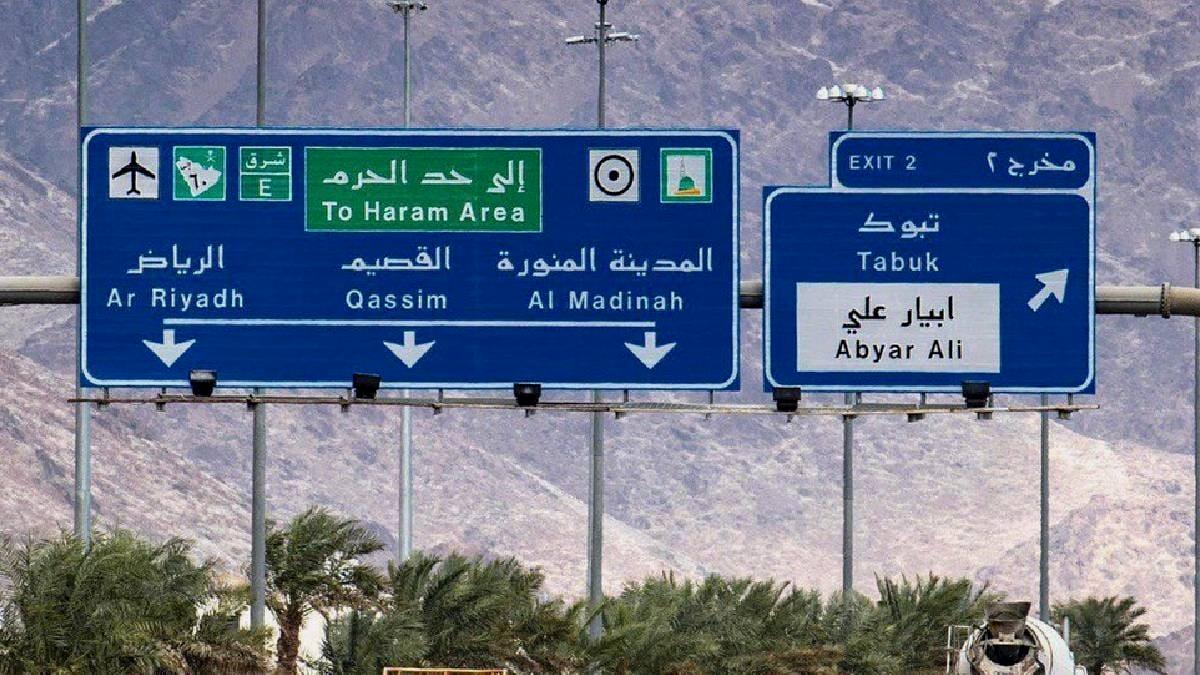
The new signage: Clear, legal, and geographically precise
The replacement signs feature the phrase “To Haram Area” with unmistakable visual cues—green bands and directional arrows—designing the boundary lines. These signs are strategically placed at key entry points, effectively marking the limit of permissible entry for non-Muslims based on geographical and jurisdictional boundaries. Unlike previous religious markers that relied on faith-based distinctions, the new signs focus on a carte blanche for legal clarity, reducing ambiguity and potential misunderstandings.
The Impact of the Signage Transition: Religious and Legal Implications
This shift does not alter the religious restrictions itself. Instead, it reinforces the existing legal framework that prohibits non-Muslims from entering the highly sacred areas. The new signage serves as a formal warning—not a change in religious policy. It underscores that while the roads are now clearly marked for legal compliance, the restriction still stands robustly. Violating these boundaries can lead to legal penalties, including fines, detention, or deportation, regardless of the signage update.
Why the Change Matters: Improving Clarity for International Travelers
Saudi Arabia’s Vision 2030 emphasizes attracting international tourists and pilgrims. Clear and understandable signage is essential for streamlining this process. Previously, signs with religious phrases might have been misinterpreted by travelers unfamiliar with Islamic customs. The new signage helps dispel confusion, offering precise geographical markers that are easy to understand regardless of one’s background.
How the New Signage Works: Step-by-Step
- Approach the designated boundary points where the new signs are installed.
- Observe the “To Haram Area” indication, which makes the boundary explicit.
- Follow the directional arrows and green bands for clarity.
- Non-Muslim drivers must turn back or take alternative routes before reaching the sacred boundary.
- Muslim travelers continue without restrictions into the designated holy zones.
Implications for Drivers and Tourists
Drivers should now pay to these value-oriented, geographically clear signs to avoid attention penalties. Tourists and pilgrims can rely on these indicators for safe navigation, minimizing risks of accidental violations. Furthermore, these signs facilitate smoother border crossings and intra-city navigation by communicating boundaries unambiguously.
Legal Enforcement and Cultural Respect
While the signage emphasizes legal boundaries, it also plays a vital role in respecting religious sensibilities. Saudi authorities enforce restrictions strictly, with signs serving as a constant reminder of the sacredness of the territory. Violations, regardless of signage, will continue to draw legal consequences, but the new signs help prevent inadvertent breaches by providing clear geographic delineations.
Summary: A Strategic Communication Upgrade
Saudi Arabia’s transition from religiously charged signs to geographically specific markers underscores its commitment to clarity, legality, and cultural respect. These changes streamline the movement of non-Muslim travelers while respecting religious territories’ sanctity. As tourism and pilgrimage sectors grow, such transparent signage becomes an invaluable tool for safe and lawful travel within the Kingdom’s highly sensitive yet welcoming corridors.