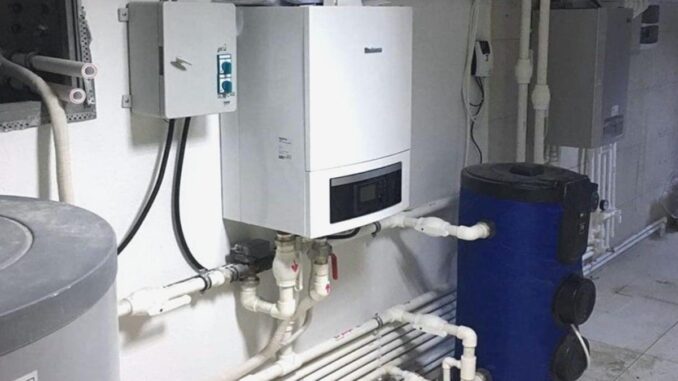
Germany has pioneered a significant transformation in home heating systems, rapidly adopting heat pump technology despite its traditionally cold climate. This shift is remarkable because, historically, such climates posed challenges to the efficiency of heat pumps, fueling skepticism about their viability in northern Europe. The Rise of Heat Pumps in Germany According to recent industry data, heat pumps now account for nearly 48% of the country’s heating market, overtaking traditional natural gas-based systems which hold about 44%. This represents a dramatic leap from just 27% market share in 2024, signaling a clear consumer and industry preference shift. But what has driven this rapid change? The answer lies largely in government incentives. The German government has rolled out extensive financial support packages, offering up to 70% subsidies for homes transitioning from natural gas to renewable heating sources. In total, these initiatives have distributed grants totaling 3.8 billion euros for the installation of around 300,000 units. Legal and Regulatory Support In addition to financial incentives, new building regulations mandate that at least 65% of energy consumption comes from renewable sources. This policy has propelled heat pump adoption in new constructions, where their market share has soared to 74%. These measures push builders and homeowners to opt for sustainable solutions that align with strict environmental standards. Overcoming Challenges in Implementation While the shift is impressive, it faces hurdles such as certified installation technicians’ qualifications. Despite delays in servicing demand, the technology’s credibility continues to grow, with Europe-wide adoption reaching 28 million units across 16 countries. These systems have proven their reliability even in cold conditions, providing consistent heating and reducing carbon emissions. Policy Strategies for Sustainable Growth Germany’s approach emphasizes technological quality and environmental protection. Support only goes to quiet, low-noise models that do not contribute to noise pollution. Future policies intend to further restrict support to systems that use environmentally friendly refrigerants, such as propane and carbon dioxide. These measures ensure that the environmental benefits of heat pumps are maximized without compromising living comfort or safety. Why Are Heat Pumps Gaining Ground in Cold Climates? Unlike common misconceptions, modern heat pumps are designed specifically to operate efficiently even in low temperatures. Innovations like dual-source heat pumps, which combine air and ground sources, maintain high performance during extreme cold snaps. The integration of smart control systems contributes to optimized energy use, ensuring homeowners enjoy cost savings and reduced carbon footprints. Future Outlook Germany’s aggressive support for renewable heating solutions not only aims at nationwide decarbonization but also positions the country as a global leader in sustainable heating technology. The transition encourages manufacturers to innovate, accelerate cost reductions, and set the stage for a wider European adoption of heat pump systems. In conclusion, Germany’s experience exemplifies how comprehensive policy frameworks, technological advancements, and consumer incentives can effectively overcome traditional barriers—especially in cold climates—to accelerate the adoption of sustainable heating technologies like heat pumps. This strategic approach offers a blueprint for other nations aiming to meet climate goals while ensuring energy security and resilience in their heating infrastructure.