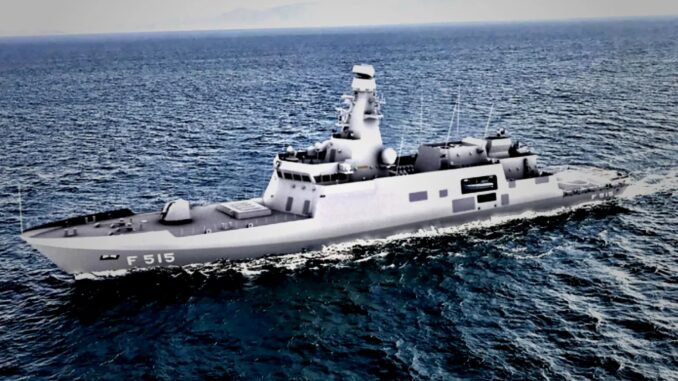
Turkey has strategically enhanced its naval diplomacy by sending ships to visit the Syrian port of Latakia, marking a pivotal moment in regional maritime relations. This move transcends just port call; it embodies a calculated message of openness, strength, and regional influence, especially amidst ongoing conflicts and shifting alliances in the Eastern Mediterranean. The visit by TCG Istanbul and its accompanying fleet, led by Admiral Ercüment Tatlıoğlu, signals a deliberate effort to project power and foster military and diplomatic ties within the complex fabric of Middle Eastern geopolitics. By maneuvering within Syrian waters, Turkey not only demonstrates logistical and operational readiness but also aims to leverage maritime assets to influence regional stability. ## The Strategic Importance of the Port of Latakia Latakia holds profound geopolitical significance as a critical port on the Eastern Mediterranean coast. Its proximity to key maritime routes and its strategic location offer Turkey multiple leverage points, including the ability to facilitate humanitarian aid, enhance trade routes, and project military power. Such visits enable Turkey to strengthen its naval presence, reassess maritime logistics, and prepare to respond swiftly to regional crises. Hosting naval ships in Latakia also allows Turkey to send clear signals to both regional actors and global powers about its maritime ambitions and security priorities. ## Diplomatic and Military Implications This naval visit acts as a dual-purpose move—diplomatic outreach and military demonstration. On the diplomatic front, it signifies Turkey’s intent to maintain a visible presence in Syria, advocating for influence despite international sensitivities. Militarily, deploying a flagship like TCG Istanbul underscores Turkey’s capabilities and readiness to operate in complex, contested waters. It also provides practical training opportunities for Turkish Navy personnel and tests operational coordination with allied or regional naval forces. ## How Such Visits Shape Regional Power Dynamics In a volatile region where military, political, and diplomatic interests often collide, naval visits serve as subtle yet powerful tools of influence. They convey messages of sovereignty, signal readiness to negotiate or escalate, and establish maritime dominance. By choosing Latakia, Turkey challenges regional competitors who might view such moves as provocations, especially given the ongoing Syrian crisis. It also serves as a reminder that Turkey maintains active maritime options as part of its broader security doctrine. ## The Role of TCG Istanbul and Naval Modernization TCG Istanbul symbolizes Turkey’s naval modernization efforts aimed at expanding blue-water capabilities. Equipped with advanced sensors, weapons, and communication systems, it exemplifies Turkey’s push to develop a versatile, enduring naval force. The presence of such a state-of-the-art vessel during a port visit enhances Turkey’s diplomatic status and demonstrates a willingness to operate far from home waters. It sets the stage for potential joint exercises, intelligence sharing, and even cooperative maritime security initiatives. ## Step-by-Step of Planning and Executing a Naval Visit Executing a successful port call involves meticulous planning and collaboration across military, diplomatic, and logistical domains: 1. Pre-departure Coordination: Engage with host nation authorities to secure port access, safety guarantees, and logistical support. 2. Security Assessments: Conduct thorough maritime security briefings, risk evaluations, and contingency planning. 3. Logistical Arrangements: Manage fuel, provisions, and maintenance, ensuring ships can remain operational during stay. 4. Public and Media Relations: Craft messaging that highlights strategic objectives, foster positive public opinion, and avoid misunderstandings. This systematic approach ensures the visit reinforces strategic messages and maintains operational readiness. ## Regional and International Reactions Regional powers observe these visits with keen interest. For Turkey, such maneuverings reaffirm its influence in the Mediterranean, challenging rivals like Greece, Cyprus, and Egypt while balancing interests with Russia and Iran. Internationally, Western powers monitor Turkey’s military engagements closely. While some interpret these moves as assertive posturing, others see them as a necessary assertion of regional influence amid diplomatic flux. ## What Comes Next? Following this visit, Turkey could pursue multiple paths: expanding bilateral maritime exercises with Syria, strengthening logistics cooperation, or even increasing naval patrols in the Eastern Mediterranean. This pattern of engagement aims to normalize Turkish naval presence and expand operational scope. Simultaneously, Turkey’s diplomatic messaging might focus on emphasizing cooperation, stability, and regional development, trying to leverage naval presence as a shield and a bridge in turbulent geopolitical waters.