Germany’s New Independent Military Strategy: A Turning Point in Defense Policy
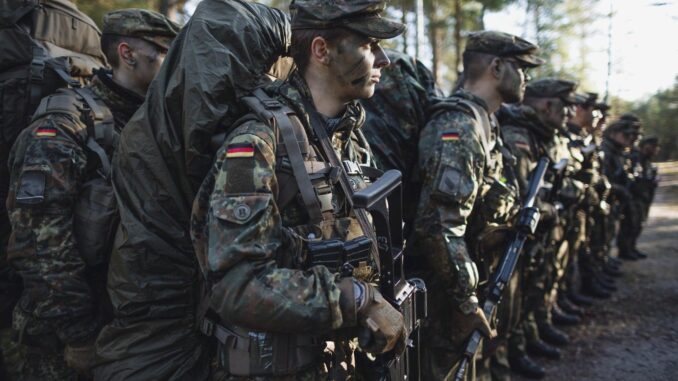
Germany has officially announced its first comprehensive independent military strategy, signaling a decisive shift in its defense posture. This strategic document aims to prepare the Bundeswehr for a multi-dimensional threat environment, emphasizing versatility, resilience, and nuclear deterrence. As global tensions escalate, particularly with Russia and other geopolitical challengers, Germany is positioning itself to respond proactively rather than reactively to the evolving security landscape.
Strategic Realignment: From NATO-Centric to Multi-Domain Security Approach
Historically aligned with NATO, Germany’s new strategy abandons the sole focus on European and North Atlantic security. Instead, it adopts a single operational domain perspective that integrates Middle Eastern, Asian-Pacific, and transatlantic regions as interconnected security spheres. This approach recognizes that modern threats are no longer confined geographically and require synchronized responses across different theaters.
This integrated strategy enables Germany to mobilize resources efficiently across multiple regions, ensuring faster, coordinated operational responses to crises, whether they be military conflicts, cyber-attacks, or hybrid warfare. It highlights a decisive move towards a holistic security doctrine tailored for complex, multi-layered threats.
Redefining Capabilities: Focus on Strategic Effects Over Platform Numbers
The new strategic focus shifts from merely expanding force numbers to achieving strategic effects. Instead of counting tanks or aircraft, Germany now emphasizes the development of advanced, precision, and sustainable capabilities that generate tangible influence on the battlefield. Key areas include:
- Precision-guided munitions capable of neutralizing high-value targets with minimal collateral damage.
- Cyber and electronic warfare units that protect critical infrastructure and disrupt adversary communications.
- Hypersonic missile defense systems to counter new generation threats such as hypersonic weapons.
- Unmanned aerial systems (UAS) and loitering munitions that provide persistent surveillance and strike capabilities.
This effect-oriented planning ensures that each weapon system and tactic contributes directly to strategic objectives, making the military both efficient and adaptable.
Personnel Expansion and Modernization: Aiming for 460,000 Troops
To realize ambitious operational goals, Germany targets a significant personnel increase. Currently operating with approximately 185,000 active troops, the Bundeswehr aims to boost troop numbers to around 260,000 by the early 2030s. Simultaneously, the reserve component will expand from 60,000 to at least 200,000 personnel, totaling approximately 460,000 trained soldiers and reservists.
This expansion involves a multi-phase recruitment drive, streamlined recruitment, and enhanced incentives for volunteers. The strategy aims to foster a resilient, highly trained force capable of deploying advanced combined arms operations across multiple domains.
Structural Reforms: From Static Troops to Flexible Response Units
Germany redefines its military structure by shifting from traditional, static units toward highly modular, multi-purpose response groups. These units are designed for rapid deployment, with situational adaptability being paramount. Key reforms include:
- Overhauling logistics and command systems to ensure swift mobilization.
- Creating specialized task forces for cyber, space, and information operations.
- Enhancing training programs with simulation-based exercises and joint multinational drills.
These reforms aim to establish an agile military capable of operating seamlessly across land, sea, air, cyber, and space—a true multi-domain force optimized for modern warfare.
Reinforcing the Reserve System as a Key Defense Asset
Loss of focus on reserves is a thing of the past. Germany’s strategy elevates reserves to an equal footing with active forces. The revised policy emphasizes:
- Active integration of reservists into planning and exercises.
- Developing a robust mobilization system that ensures rapid scaling of forces in crises.
- Utilizing civil-military cooperation to enhance readiness and interoperability.
This renewed emphasis aims to create a versatile, resilient force that can sustain prolonged conflicts and support NATO or EU operations worldwide.
Legal and Political Foundations for Military Growth
Germany embeds its military expansion within the legal framework, with legislative adjustments scheduled from 2026 onwards. The new laws:
- Facilitate increased recruitment and voluntary service programs.
- Maintain a legal basis for conscription, which remains an option but is not obligatory.
- Authorize the establishment of new units aligned with expanded roles and capabilities.
These legal reforms secure long-term sustainability for the ambitious military growth plan.