
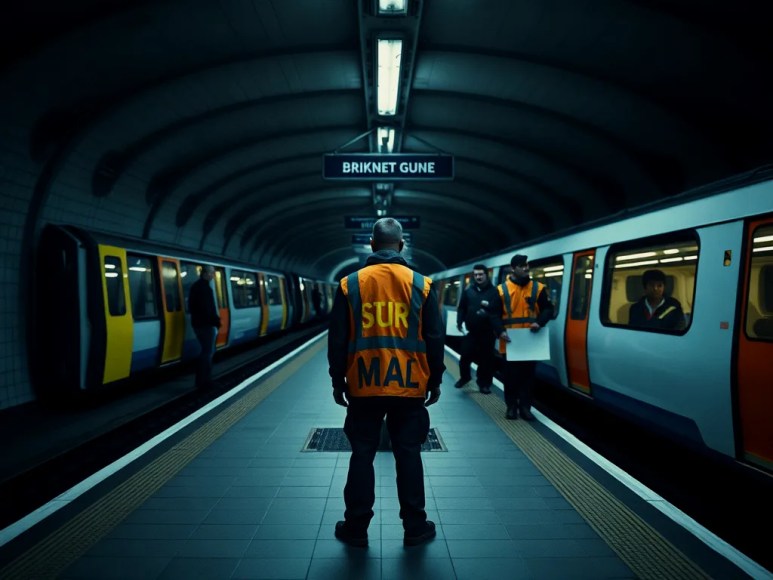
Strike dates, duration and immediate service impact
RMT train drivers will stage rolling strikes across the London Underground starting 26 November 2026 at 12:00 local time and ending 27 November at 11:59. The union has scheduled eight separate 24-hour stoppages through late February 2027 after arbitration failed. Expect Circle and Piccadilly lines to be suspended for the full day of action and Waterloo & City to close around midday; other lines will face significant reductions.
Which lines will run and how to plan journeys
Transport for London (TfL) predicts severely reduced service from 10:00 on strike days, with normal timetables resuming around 18:00 the following evening. The Elizabeth line, DLR, London Overground, buses and trams are expected to operate but will experience heavy crowding. To travel safely and quickly during strikes:
Step-by-step plan for commuters
1. Check live TfL updates before leaving home. Use the TfL website or app to view real-time line statuses and planned closures. Live maps show station closures and replacement services.
2. Avoid affected central stations and lines. If your route relies on Circle, Piccadilly or Waterloo & City lines, reroute using Overground, Elizabeth line or buses where possible.
3. Buy contactless or Oyster credit in advance. Card readers can slow boarding during peaks; have payment ready to reduce dwell time and queuing.
4. Allow double the normal travel time and choose off-peak windows. If possible, travel earlier or later than peak hours to avoid the worst crowds — TfL expects core peak disruption until ~18:00 on the strike day and a slower recovery the following morning.
Full strike calendar and exact windows
The RMT intends each action to run from 12:00 on day one until 11:59 the next day. Confirmed dates:
26–27 Nov 2026; 17–18 Dec 2026; 19–20 Dec 2026; 4–5 Jan 2027; 6–7 Jan 2027; 17–18 Feb 2027; 23–24 Feb 2027; 25–26 Feb 2027. Mark these on travel plans, and expect ripple effects on surrounding days as timetables and staffing adjust.
Why drivers are striking and what each side proposes
RMT argues the new proposed work model — including a four-day week option — would reduce existing rights, alter shift lengths and change leave arrangements. The union demands written assurances that current protections and pay for a 35-hour week remain intact. TfL counters that drivers can choose a five-day option, keep depot assignments and retain pay for 35 hours; it says the proposal aims to increase flexibility and service resilience. Another drivers’ union, ASLEF, has accepted a four-day week offer, deepening the split among staff and complicating negotiations.
Economic scale of past strikes and likely effects this winter
Past strikes provide quantifiable benchmarks. During April 2026 stoppages, the Tube ran roughly half its normal services. TfL recorded £651 million in Metro passenger revenue for April–June 2026, missing targets by £34 million. Independent modeling from the Center for Economics and Business Research estimated the direct cost of one week of strikes in April 2026 at £130–£250 million. For businesses and commuters this winter that means:
– Increased travel times and higher fares for alternative routes (taxis, coaches, private hire).
– Concentrated demand on remaining rail services and buses, creating longer boarding times and potential safety-managed station closures.
– Local businesses near bus and Overground hubs may see short-term footfall rises, while central stations and retail sites could suffer reduced visits.
Practical alternatives for daily commuters and occasional travelers
Use a layered strategy to maintain reliability:
1. Combine transport modes: Take a bus or tram to an Overground or Elizabeth line station outside the worst-affected core, then continue by rail. This spreads load across systems and often shortens door-to-door time.
2. Cycle or micromobility: Dockless bikes and e-scooters can bridge the first/last mile and bypass congested interchanges. Lock-free bike stations near major hubs typically have higher availability on strike days.
3. Flexible working and timed travel: Where employers permit, shift start times or work remotely during strike windows. Traveling mid-morning or late evening often avoids the bulk of commuter crowding.
4. Prebook rail and coach services: Longer-distance journeys are less disrupted if booked on early, confirmed services; consider coaches or national rail that bypass central disrupted stations.
How businesses and event planners should prepare
Businesses can reduce disruption by staggering work hours, offering remote attendance for meetings, and communicating alternative routes to staff and customers. Event organizers should publish travel advisories, suggest specific alternative stations, and arrange shuttle links from major Overground or Elizabeth line stops. Retail and hospitality venues should expect different peak patterns and plan staffing accordingly.
What to watch in negotiations and likely next moves
Watch for these signals that indicate progress or escalation:
– Formal written guarantees from TfL about pay and depot protections may end the dispute quickly if RMT accepts.
– If talks stall, expect more targeted strike dates or rolling walkouts beyond the announced calendar.
– Political intervention or a mediated settlement could produce a compromise that phases changes in, reducing immediate disruption.
Keep checking union statements and TfL briefings on strike outcomes; they announce changes to timetables and mitigation measures on short notice.