
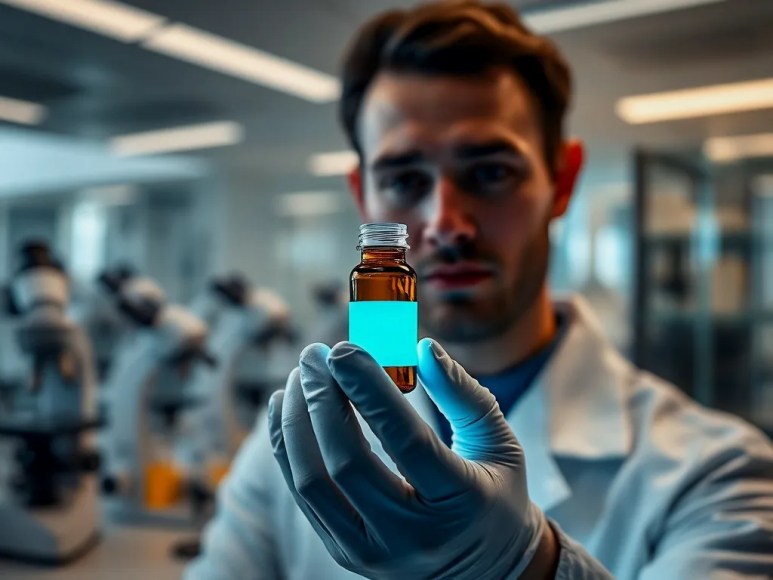
Summary of the discovery and its current status
Researchers at Near East University developed a novel molecule that shows antifungal activity against Candida auris in vitro. The team has filed a patent to protect intellectual property and is planning further development paths that include formulations such as disinfectants, topical creams, and oral tablets. The molecule remains an experimental candidate: it has not undergone clinical trials, regulatory review, or demonstrated safety and efficacy in humans.
Why Candida auris is a pressing hospital infection problem
Candida auris persists on surfaces and medical devices and often resists common antifungal drugs. It spreads in healthcare settings, particularly among intensive care and immunocompromised patients. The organism’s ability to form robust biofilms on catheters, ventilators, and other equipment reduces susceptibility to treatments and to routine cleaning unless disinfectants and protocols specifically active against it are used.
What the Turkish research teams found about local isolates
Researchers from Near East University, Gazi University, and Van Yüzüncü Yıl University analyzed Candida auris isolates from Turkey. They reported that all tested isolates were resistant to fluconazole and that about 95% produced strong biofilms. These experimental findings reflect the sampled strains and do not automatically represent national prevalence or resistance patterns; however, they indicate a high-risk profile for the isolates studied and underscore the need for targeted infection control measures.
Laboratory evidence and the limits of in vitro results
The new molecule demonstrated antifungal activity under in vitro conditions. In vitro efficacy indicates the compound can inhibit or kill fungal cells in controlled laboratory assays, which is an important early milestone. However, many compounds that work in vitro fail in later stages because of toxicity, poor absorption, rapid metabolism, or inability to reach effective concentrations at infection sites. Therefore, sequential studies in cell culture, animal models, pharmacokinetics, toxicology, formulation development, and controlled human trials are needed before clinical use.
Planned development pathways: disinfectant, cream, and tablet
The researchers plan to evaluate three application routes, each with different development requirements and endpoints:
Disinfectant: Develop a formulation that reliably inactivates C. auris on surfaces and equipment. Test panels would include contact-time efficacy assays on relevant materials (stainless steel, plastic), organic load challenges, stability under routine cleaning conditions, and compatibility with medical devices.
Topical cream: Create a dermatological formulation for skin colonization or superficial infections. Required steps include excipient selection for skin penetration, irritation and sensitization testing, local safety studies, and dose-ranging in animal models before human phase 1 trials focusing on local tolerability and systemic exposure.
Oral tablet: Pursue systemic therapy for invasive infection. This path demands demonstration of absorption, bioavailability, distribution to infected tissues, metabolism profiling, and systemic toxicology. Efficacy studies in validated animal models of candidemia or invasive candidiasis would precede first-in-human trials with escalating doses to define safety and pharmacodynamic targets.
Step-by-step experimental progression to clinical use
Translating an in vitro hit into an approved product follows a sequence of stages. Key steps include:
1. Lead optimization: Modify chemical structure to improve potency, solubility, and stability while reducing off-target effects.
2. In vitro ADME/tox assays: Measure metabolic stability, plasma protein binding, and interactions with human drug-metabolizing enzymes.
3. Formulation development: Design disinfectant matrices, topical bases, or oral solid forms with controlled release or bioavailability enhancers.
4. Preclinical safety and efficacy: Run cytotoxicity panels, local irritation tests, and animal models for efficacy and toxicology (single- and repeat-dose studies).
5. Regulatory toxicology package: Compile GLP-compliant studies required by regulators (genotoxicity, reproductive toxicity if applicable, safety pharmacology).
6. Clinical trials: Phase 1 to assess safety and PK in healthy volunteers; Phase 2 for preliminary efficacy and dose selection in patients; Phase 3 pivotal trials to confirm safety and efficacy in larger populations.
7. Regulatory submission and manufacturing scale-up: Prepare dossiers (eg, EMA or FDA), validate production processes, and ensure quality control before market authorization.
Potential impact on infection control and treatment
If the molecule reaches clinical use, it could offer multiple benefits depending on distribution: an effective surface disinfectant would reduce environmental reservoirs and transmission; a topical agent could decolonize skin or treat localized infections; An oral or systemic agent could expand therapeutic options for invasive, drug-resistant C. auris cases. Each application would alter existing infection control practices, stewardship algorithms, and procurement decisions in hospitals.
Collaborations and funding considerations
The research team is exploring partnerships with public funders such as the Turkish Health Institutes (TÜSEB) and with private pharmaceutical companies. Successful advancement typically requires long-term funding, contract research partnerships for GLP studies, and access to clinical trial networks that treat invasive fungal infections. Industrial collaborators can provide capabilities for formulation scale-up, regulatory strategy, and distribution.
Practical infection-control steps hospitals should prioritize now
While new products are under development, hospitals should reinforce established measures proven to limit C. auris spread:
– Active surveillance: Screen high-risk patients and contacts in outbreak settings.
– Dedicated equipment: Use single-patient devices or rigorous disinfection when sharing is unavoidable.
– Environmental cleaning: Apply disinfectants proven against C. auris with correct contact times and proper staff training.
– Antifungal stewardship: Limit unnecessary antifungal use and tailor therapy to susceptibility results.
What the patent filing does—and does not—mean
Filing a patent protects the inventors’ legal rights to the molecule and its uses pending examination. It signals the team intends commercial development, but it does not validate safety, efficacy, or regulatory approval. Patents often support licensing negotiations and attract investment but are one administrative milestone among many before a product reaches patients.
Concluding technical takeaways
The Near East University team’s molecule represents a promising in vitro advance against a high-risk hospital pathogen. The path to an approved disinfectant, topical cream, or systemic drug will require rigorous optimization, GLP-compliant preclinical studies, and phased clinical trials. Meanwhile, hospitals should continue established detection, cleaning, and stewardship practices to control Candida auris transmission.