
Wind and Solar Capacity Targets: 175,000 MW by 2040
Turkey will expand wind and solar capacity aggressively to reach a combined 175,000 megawatts by 2040. That target requires annual additions far above historical rates: assuming linear growth from current capacity (roughly 20–40 GW today), the country must install about 5–7 GW per year for the next two decades. Practically, this means accelerating permitting timelines, standardizing procurement for grid connections, and incentivizing large-scale projects through contracts-for-difference or long-term power purchase agreements. Examples of enabling actions include repurposing idle industrial land for solar parks, unlocking offshore wind zones with zonal leasing, and streamlining environmental reviews with fixed timelines.
Nuclear Capacity Plans: 10,000 MW by 2040 and 20,000 MW by 2050
Nuclear is planned as a base-load backbone: 10 GW by 2040 and 20 GW by 2050. To realize this, Turkey must sequence multiple units with predictable financing and supply chains, prioritize workforce training for operation and maintenance, and secure fuel supply and waste-management agreements. A staged rollout—two units completed every 6–8 years—would align with the 2040 milestone. Financing mixes may combine sovereign guarantees, export-credit agency support, and public–private partnerships to reduce sovereign burden while maintaining investor confidence.
Oil Demand Reduction: Targeting 718,000 b/d through Electrification and Efficiency
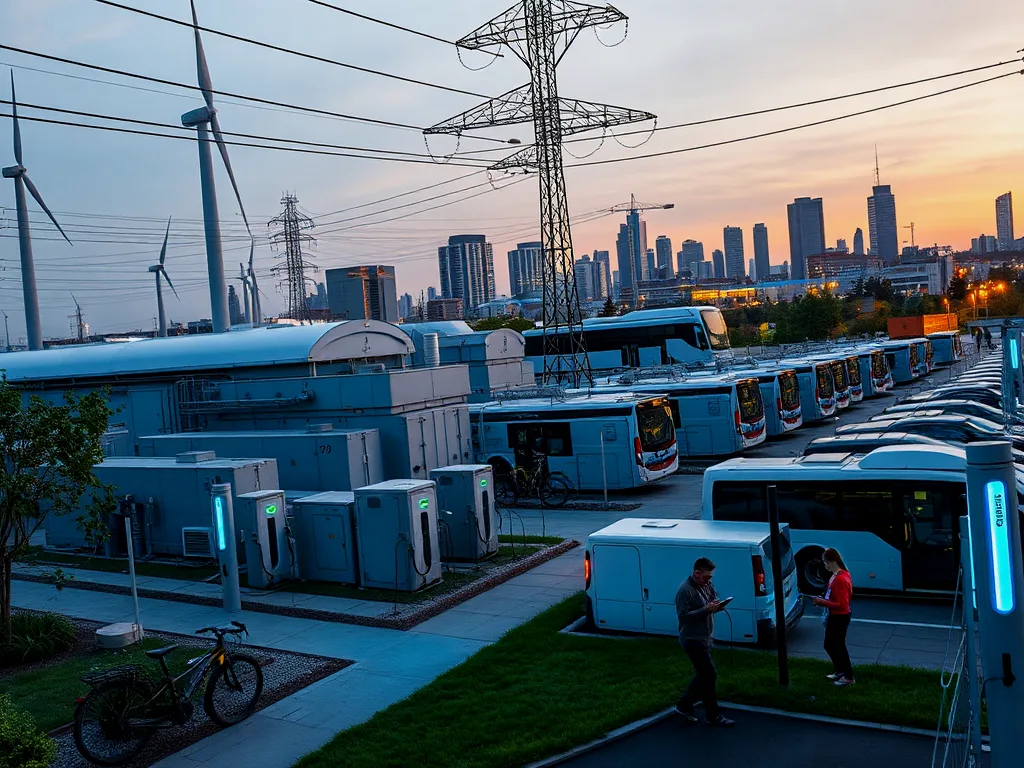
Reducing daily oil demand to 718,000 barrels relies on rapid electrification and efficiency across transport and industry. Concrete roads: deploy electric buses and light vehicle incentives at scale; mandate efficiency standards for heavy freight and promote modal shift to rail; retrofit industrial heat with electric heat pumps or concentrated solar thermal where viable. A phased timeline—targeting 30% of new passenger car sales as electric within a decade, fleet conversion mandates for public transit within five years, and targeted industrial pilot projects—creates measurable near-term demand cuts while preserving energy security.
Emissions Cut: Achieving a 40% Reduction
Achieving a 40% emissions reduction requires integrated policies across power, transport, buildings, and industry. Key measures: decarbonize the grid with renewables and nuclear; implement carbon pricing or sectoral emission caps to drive shifts; retrofit buildings with insulation and efficient heating controls; electrify process heat where electrification is cost-effective; and scale carbon capture on remaining fossil-based industrial sites. For example, pairing renewable-curtailed energy with seasonal storage or green hydrogen production addresses intermittency while lowering net CO2.
Grid and Storage: Managing Variable Renewables at Scale
Integrating 175 GW of wind and solar requires a step-change in grid flexibility and storage capacity. Solutions include: expanding transmission corridors and cross-border interconnections to move power from high-resource regions to demand centers; deploying diverse storage portfolios (short-duration batteries for diurnal smoothing, pumped hydro for bulk seasonal balancing, and long-duration chemical or thermal storage); implementing advanced dispatch and demand-response systems; and upgrading distribution networks for two-way flows as distributed generation grows. Pilots that combine battery energy-storage systems (BESS) with renewables and grid-forming inverters will demonstrate feasibility and reduce curtailment rates.
Economic Impact: From Energy Import Bill Reduction to Trade Balance Improvement
Lowering fossil fuel imports and boosting domestic electricity use aims to Turkey shift toward a positive current-account impact. Replacing imported oil and gas with domestically generated electricity keeps more capital inside the economy, supports local manufacturing of turbines, PV modules, and electrolysers, and creates skilled jobs in construction and operations. Quantitatively, every million barrels per day of oil demand reduced saves the economy on import spending (value depends on crude prices); Similarly, substituting gas-fired generation with renewables reduces fuel import volumes and exposure to price volatility.
Policy Steps: Incentives, Regulations, and Market Design
To meet these targets, policymakers must align incentives, regulations, and market structures. Recommended steps: introduce technology-neutral auctions with long-term contracts, strengthen grid-connection rules and queue management, roll out targeted subsidies for nascent storage and electrolyser manufacturing, implement efficiency standards in appliances and vehicles, and design capacity mechanisms or strategic reserves to support reliability during transition. Clear, multi-decade policy signals reduce investor risk and lower financing costs for large infrastructure.
Workforce and Supply Chain: Scaling Skills and Domestic Industry
Delivering 175 GW renewables and expanded nuclear requires rapid workforce development and supply-chain localization. Actions: launch vocational training programs tied to major projects, offer transfer-of-technology clauses in procurement to build local manufacturing, and provide time-limited tax incentives for domestic component production. Countries that localized solar and wind supply chains saw large employment multipliers; similar strategies applied early will increase content, reduce import needs, and insulate the transition from global bottlenecks.
Practical Timeline and Milestones
Suggested milestone-driven roadmap to 2040: Years 1–5: streamline permitting, accelerate renewables auctions, begin first large-scale storage and grid upgrades, and start workforce programs. Years 6–15: ramp annual renewables additions to target range, commission initial nuclear units, deploy utility-scale storage and interconnection projects. Years 16–20: complete bulk of planned solar and wind capacity, achieve targeted nuclear capacity, and operationalize long-duration storage and hydrogen hubs for hard-to-electrify sectors. Tracking KPIs—GW added, curtailment rates, oil import volumes, and CO2 intensity per GDP—keeps the plan accountable.
Risks and Mitigations
Major risks include supply-chain disruptions, financing gaps, permitting delays, and integration challenges from variable renewables. Mitigations: diversify procurement sources, blend public and private financing, legislate maximum permitting timeframes, and invest early in smart-grid and storage pilots to smooth integration at scale. Contingency measures—such as strategic fuel reserves, flexible thermal plants as transitional assets, and capacity markets—can preserve reliability while the low-carbon fleet scales.
What Success Looks Like by 2040
Success is measurable: 175 GW of wind and solar online, 10 GW nuclear commissioned, daily oil demand near 718,000 b/d, and emissions down ~40%—with a stronger trade balance and domestic industrial growth. Practically, this would show up as cleaner air in urban areas, lower exposure to international fuel-price shocks, thriving local manufacturing clusters for renewables, and a modernized grid that supports electrified transport and industry.
Be the first to comment