
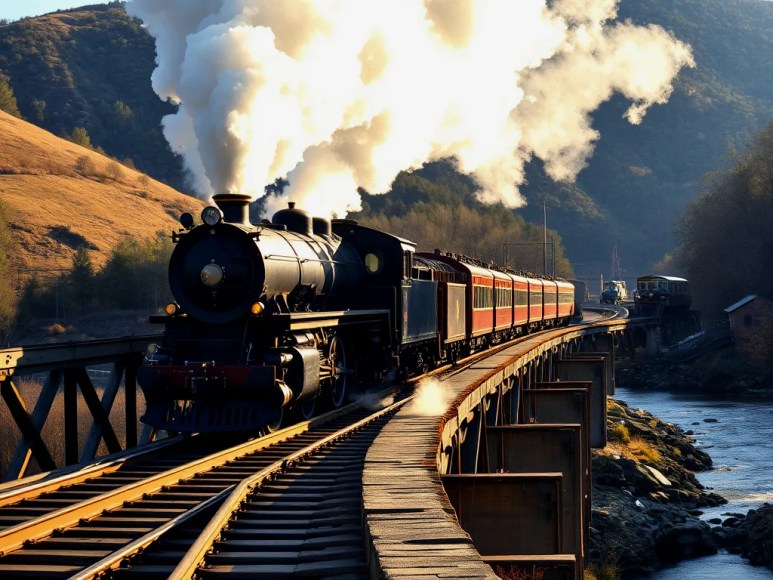
Reading, Pittston and Pottsville trains return to Jim Thorpe city center
Reading & Northern restored direct passenger train service to Jim Thorpe for the weekend of November 14–15, 2026, after targeted completing repairs to the rail corridor adjacent to the collapsed US‑209 retaining wall Trains departing Reading Outer Station, Pittston and Pottsville resumed scheduled arrivals into Jim Thorpe rather than terminating at alternate transfer points. Typical departure and arrival times reported for that weekend were: Reading 09:30 departure / 12:05 arrival, Pittston 08:45 / 11:05, and Pottsville 08:30 / 11:00, with round‑trip fares set at $49.
What happened on October 31 and how crews responded
On October 31, 2026 a retaining wall carrying US‑209 between Jim Thorpe and Nesquehoning failed, sending rock and debris onto the adjacent rail alignment and destabilizing the underlying subgrade. Pennsylvania Department of Transportation (PennDOT) declared both the roadway and the railroad unsafe and closed them. Emergency mitigation, led by contractor JD Eckman starting November 1, focused on stabilizing the remaining slope with rock mesh, shotcrete and ground anchors, then removing rockfall from the track. Crews prioritized clearing and shoring the rail corridor so passenger trains could resume sooner than the more extensive roadway reconstruction.
How the reopening schedule was phased and why the railroad opened first
PennDOT’s November 10 assessment estimated six to eight additional weeks of work before US‑209 could reopen to traffic. The railbed required less structural reconstruction because contractors could remove rockfall, inspect and reballast the track, and install localized slope protection more quickly than reconstructing the highway retaining system. That sequencing allowed Reading & Northern and Lehigh Gorge Scenic Railway to plan weekend and then daily service back into Jim Thorpe while PennDOT continued longer repairs on US‑209.
Operational details: equipment, timetables and alternate routings during closures
Reading & Northern operated classic F‑unit diesel locomotives on Reading departures and diesel‑hauled passenger cars on other runs to meet weekend demand and maintain a heritage experience While the corridor was closed, operators used bus bridges and alternate departure points (for example Nesquehoning for Lehigh Gorge Scenic Railway) to preserve service; transit times increased—some tourist runs lengthened from roughly 45 minutes to 70 minutes—because of detours and shuttle transfers. Once the rail line reopened, companies reinstated normal station stops and reduced trip durations to standard schedules.
What travelers should know: safety, traffic restrictions and travel planning
Rail service restoration does not indicate that driving access is fully back to normal. PennDOT routed vehicles onto alternate corridors including Route 443, Route 309 and Route 309/US‑209 detours while the US‑209 segment between Route 903 and Route 93 remained closed. Visitors planning to drive should check PennDOT bulletins and operator notices before travel. Rail passengers benefit from direct station access in Jim Thorpe, eliminating the need for bus transfers and shortening total door‑to‑door times compared with the interim arrangements.
Lehigh Gorge Scenic Railway’s phased return and service adjustments
Lehigh Gorge Scenic Railway shifted departures to Nesquehoning on November 2 while crews worked, extending concession window times and increasing on‑train dwell to handle transfer logistics. After rail safety remediation, the operator returned to Jim Thorpe departures on Sunday, November 15, and scheduled daily 70‑minute scenic trips through November 26 for the autumn season, with special‑event runs to be posted separately. These changes illustrate how short‑term operational flexibility preserves visitor access while safety work proceeds.
Why Jim Thorpe’s rail connection matters for tourism and local access
Jim Thorpe relies on railroad links to funnel weekend and seasonal visitors into its historic core and trailheads in the Lehigh Gorge corridor. Restoring train service without bus transfers immediately increases convenience and local economic impact: shorter transfers raise the likelihood of same‑day spending at restaurants, shops and attractions. For emergency planners and transit managers, this incident also underscores that rail corridors adjacent to steep slopes require coordinated monitoring, rapid slope stabilization capability and contingency plans for alternate boarding locations.
Practical step‑by‑step advice for visitors planning a trip to Jim Thorpe now
1) Confirm train departure and return times on the operator’s website or phone line the morning of travel. 2) Check PennDOT traffic advisories for US‑209 restrictions if you plan to drive; budget extra time for detours via Routes 443 or 309. 3) Arrive at the station at least 30 minutes before departure for boarding and ticketing; Heritage trains may attract crowds. 4) If attending a special event, review the operator’s notice for altered schedules or equipment. 5) If you need accessible boarding or assistance, reserve it in advance because temporary changes can limit onsite resources.
Outlook: remaining repairs and what to expect next
PennDOT continues to monitor and repair the highway’s retaining structure; Timeline adjustments depend on weather and onsite geotechnical findings. Rail operators indicated they will maintain restored service as long as corridor inspections confirm slope stability. Visitors and local businesses should plan for phased reopenings and keep informed through official bulletins from Reading & Northern, Lehigh Gorge Scenic Railway and PennDOT.