
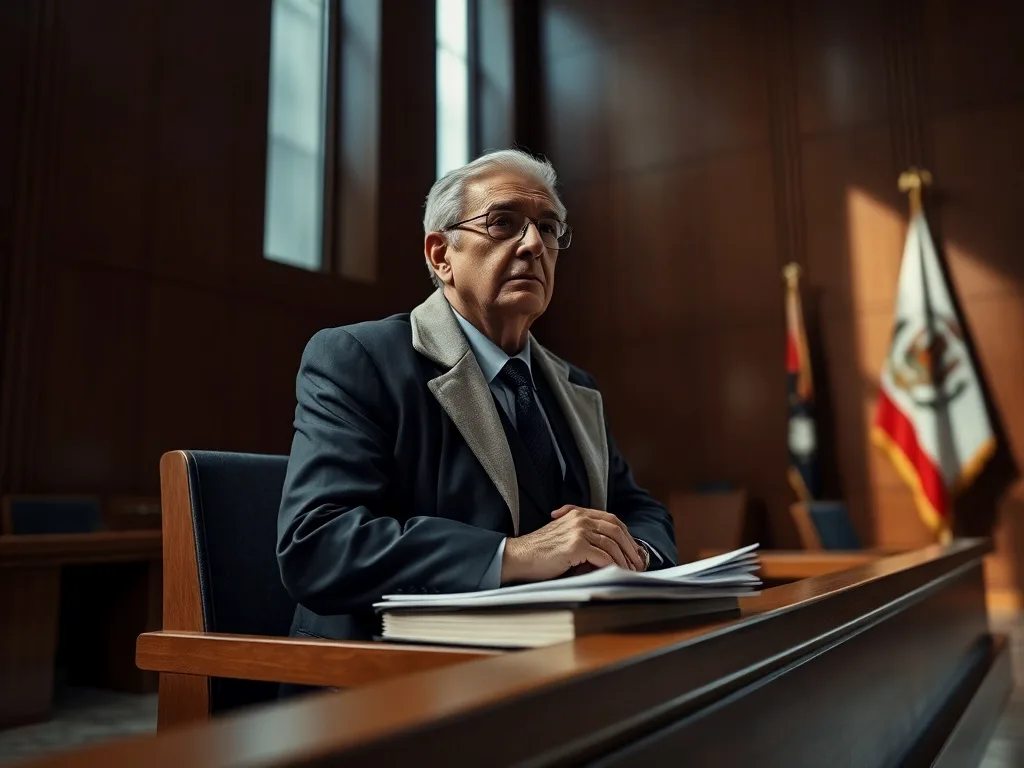
Greek authorities have granted former Infrastructure and Transport Minister Kostas Achilleas Karamanlis additional time to prepare his defense in connection with alleged delays in railway signaling projects linked to the deadly Tempi train crash that killed 57 people. Karamanlis appeared before an investigative judge on November 27, 2026, and requested the extension to review the case file and assemble evidence supporting his position.
What specific accusations is Karamanlis facing?
The indictment centers on alleged negligence in supervising Greece’s rail network during his tenure from 2019 to 2023 and on failures tied to the completion of contract 717, a signaling and telecommunications modernization deal for the Athens–Thessaloniki–Promachonas corridor. Prosecutors claim oversight lapses contributed to systemic problems that were relevant to safety on the route; Karamanlis denies wrongdoing and says he will present exculpatory documentation. No new hearing date has been set publicly.
Why contract 717 matters to the investigation
Contract 717, signed in 2014 and valued at €41.3 million, targeted upgrades to track signaling and telecom systems that should have been completed in 2016. The project’s long delay is a focal point because modern signaling directly affects train separation, routing logic and fail-safe behavior that prevent collisions. Investigators view the uncompleted upgrades as an institutional risk factor that, combined with other operational shortcomings, helped create the conditions for the February 28, 2023 Tempi collision.
How investigators link delays to the Tempi crash
Prosecutors are assembling chronological and technical evidence: contract milestones, testing and acceptance records, communications between the ministry and contractors, and internal audit reports. They argue that missed deadlines and incomplete acceptance testing left critical systems either inactive or not certified, increasing reliance on manual procedures. The case methodically traces where responsibilities lay — contract management, supervision, certification and handover — and seeks to show causative links between those lapses and operational vulnerabilities exposed by the collision.
What the European Public Prosecutor’s Office alleges
The European Public Prosecutor’s Office (EPPO) has played a prominent role. In December 2023 EPPO charged 23 people related to the contract’s implementation and in May 2025 brought further charges against 16 more suspects. EPPO’s filings contend that irregularities around the contract caused financial harm exceeding €15.6 million to EU and Greek public funds. Those accused include procurement irregularities, improper certifications and potential fraud; criminal responsibility for such offenses can depend on proving intent or gross negligence in administration and execution.
What evidence and defenses are likely to be central at trial
Prosecutors will emphasize documentary trails: signed amendments, payment certificates, test logs, emails ordering or delaying works, and expert analyzes of system status at key moments. Defendants, including Karamanlis, will likely argue procedural complexity, contractor failures, subcontractor insolvencies, technical challenges beyond ministerial control, or that the ministry followed established oversight processes. Expect expert testimony on signaling standards, acceptance testing methodology and on the causal chain from incomplete works to operational risk.
Immediate legal and political consequences to watch
Legally, the extension for Karamanlis buys time to prepare detailed technical rebuttals and to obtain expert reports. Politically, the case keeps railway governance and procurement oversight under scrutiny in Greece and at EU level; Public interest remains intense because of the high human cost of the Tempi crash. Outcomes could trigger institutional reforms: stricter certification protocols, independent monitoring of large rail contracts, or changes to ministerial oversight procedures.
What the timeline and next steps look like
Key next steps include the submission of Karamanlis’s defense materials, scheduling of his reappearance before the investigative judge, potential parallel administrative investigations, and continuation of prosecutions against other accused parties. Technical audits and forensic reconstructions of the signaling systems are expected to continue; those reports will shape both criminal and civil liability questions and will inform whether additional indictments follow or whether charges are narrowed.