
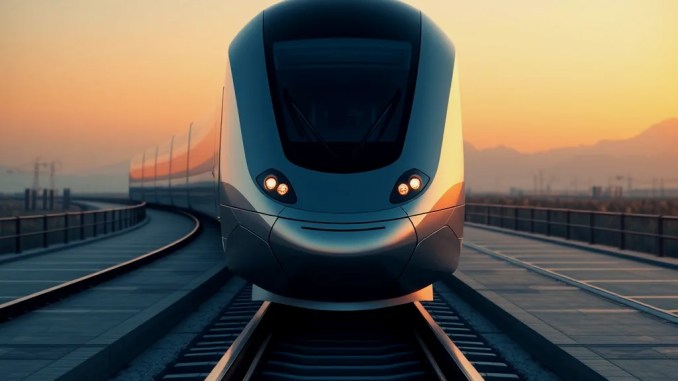
In a decisive shift towards modern, efficient, and passenger-centric rail travel, Amtrak introduces its latest fleet of Airo trains on the Cascades route—a move set to redefine regional connectivity across the Pacific Northwest. This transformation isn’t merely about replacing old equipment; It’s a strategic overhaul aimed at boosting capacity, enhancing comfort, and setting a new standard for intercity rail service in the United States. ## The Dawn of Airo: A New Era for Cascades Amtrak’s deployment of the Airo train sets marks a pivotal upgrade for the historic Cascades line, which links Seattle, Portland, Eugene, Vancouver, and other vital urban centers. The initial batch comprises two cutting-edge train sets—each equipped with over 300 seats—introduced into service on September 30, revolutionizing the passenger experience. These trains stand out for their sleek, eco-friendly design, integrating sustainable materials and energy-efficient technology. By harnessing advanced aerodynamics and lightweight construction, Airo trains reduce energy consumption and contribute directly to Amtrak’s environmental goals. ## How Airo Trains Elevate Capacity and Comfort Unlike their predecessors, which often struggled with congestion during peak hours, Airo trains significantly amplify passenger capacity without sacrificing comfort. Each set accommodates more than 300 travelers, allowing Amtrak to operate more frequent, reliable services. Passenger Comfort Features: – Panoramic windows for immersive views of the scenery. – Ergonomically designed, adjustable seats with ample legroom. – Modern lighting and climate control systems ensure a pleasant journey. – Free high-speed Wi-Fi, individual power outlets, and USB-C ports keep travelers connected. – Automated doors and accessible facilities streamline boarding and disembarking. This focus on passenger experience directly addresses the capacity issues that plagued the Cascades line, especially during holiday peaks and regional festivals. ## Operational Changes and Schedule Enhancements The initial deployment includes four daily runs—two on the Seattle-Vancouver corridor and two connecting Eugene and Portland—each leveraging the new Airo fleet. These schedules aim to match demand with supply, reducing the reliance on older, less efficient equipment. Service managers also optimize scheduling by coordinating with local transit agencies, ensuring seamless multi-modal connections and minimizing wait times. ## The Strategic Rollout and Future Plans While the initial two trains are a proof of concept, Amtrak plans to expand its fleet to a total of eight Airo train sets. The goal is to phase out older trains gradually, replacing them with these state-of-the-art units by 2027. This phased approach offers several benefits: – Incrementally increases overall capacity, – Provides opportunities for continuous maintenance without service disruption, – Allows for learning and adapting operational procedures based on initial performance. Moreover, the integration of Airo trains extends beyond the Cascades, with plans underway to incorporate them into the Northeast Regional network and other corridors nationwide. ## Economic and Environmental Benefits The new trains contribute to regional economic development by attracting tourists, reducing travel time, and increasing connectivity among key cities. Business travelers particularly benefit from faster, more reliable services. Environmentally, Airo trains offer substantial advantages: – Reduced carbon emissions thanks to energy-efficient technologies. – Lower noise pollution, thanks to advanced suspension and aerodynamic design. – Use of sustainable materials and manufacturing processes. These features align with broader federal and state initiatives targeting greener transportation infrastructure. ## The Broader US Rail Modernization Strategy The Cascades Airo project exemplifies a nationwide push towards rail modernization—an initiative backed by substantial federal funding aimed at revitalizing rail infrastructure. For instance, the $7.3 billion agreement with Siemens Mobility facilitates up to 83 high-capacity trains across multiple regions, including the Northeast, Midwest, and West Coast. This comprehensive upgrade aims to make rail travel more competitive against air and road transport, leveraging automation, sustainability, and customer-centric features to attract a broader demographic. ## Challenges and Considerations Despite the promising outlook, several hurdles remain: – Infrastructure upgrades are necessary to support new train operations. – Integration with existing rail networks requires meticulous planning. – Ensuring accessibility and accommodating varied passenger needs is essential. – Managing costs and operational budgets while maintaining high service standards. These challenges require coordinated efforts among federal agencies, local governments, and private partners. ## Summary and Outlook The introduction of Airo trains on the Cascades line signifies more than a fleet upgrade; it embodies a transformative approach to regional rail travel—more capacity, greener operation, and a user-focused experience. As Amtrak expands this model nationally, the future of American rail promises faster, cleaner, and more comfortable journeys with direct economic and environmental benefits. ### FAQs Q1: How do Airo trains differ from older Amtrak models? A1: Airo trains boast increased passenger capacity, enhanced comfort features, improved energy efficiency, and modern design elements that optimize aerodynamics and reduce environmental impact. Q2: When will the full fleet of Airo trains be operational nationwide? A2: The initial phase targets expansion to 8 sets on Cascades by 2027, with subsequent deployment across other corridors planned under the national modernization strategy. Q3: What sustainability features do Airo trains include? A3: They incorporate energy-efficient systems, sustainable materials, and designs aimed at reducing carbon footprint and noise pollution. Q4: How will Airo trains affect travel times on the Cascades route? A4: The trains’ improved aerodynamics and faster acceleration/deceleration capabilities aim to reduce travel times, making regional trips more competitive. Q5: Are there any upcoming upgrades to stations to support Airo trains? A5: Yes, stations along the Cascades line and other routes are undergoing renovations to accommodate new trains, including expanded platforms and improved boarding facilities.
