Introduction: A Turning Point for Boise’s Rail Future
Imagine a city where historic rail lines are revived, connecting residents to regional hubs and transforming local transportation infrastructure. Boise, Idaho, stands on the brink of this transformation, thanks to a recent influx of federal funding aimed at revitalizing its passenger rail network. This strategic move aims not merely to restore old services but to position Boise as a key player in the growing intercity rail movement across the Pacific Northwest and beyond.
The Significance of Federal Support for Boise’s Rail Initiatives
The US Department of Transportation’s recognition of Boise’s potential underscores the critical importance of public-private partnerships and innovative transportation financing. Being selected among 45 cities for a share of $47 million in grants demonstrates national confidence in Boise’s vision to develop a sustainable, efficient, and modern passenger rail system. The city will utilize its allocated $503,125 fund to lay the groundwork for future rail services, encompassing comprehensive planning, feasibility studies, and infrastructure assessments.
Strategic Goals: Restoring the Boise to Salt Lake City Corridor
The core objective centers on reopening the historic Boise-Salt Lake City corridor, a route that once thrived with daily passenger trains like the Portland Rose. Restoring this corridor entails multiple stages, including analyzing current infrastructure, assessing modern technological upgrades, and establishing sustainable operational models.
Understanding the corridor’s importance involves recognizing its role in connecting over 4.4 million residents across Idaho, Utah, and neighboring states. It would serve not only as a commuter route but also as a catalyst for economic growth, tourism, and regional collaboration.
Historical Context and Lessons from the Past
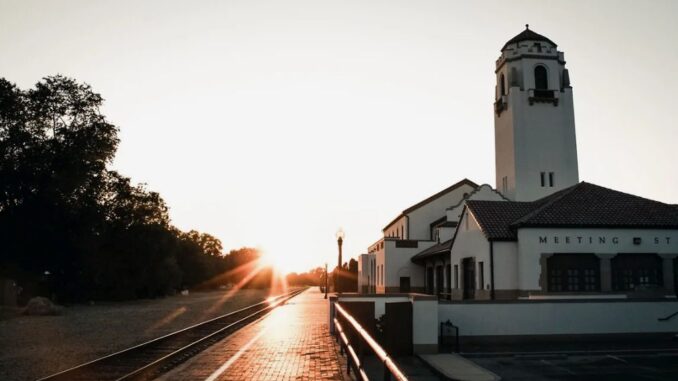
Historically, Boise rail services flourished during the mid-20th century. The daily service of trains like the Portland Rose, which stopped at Boise station, exemplifies the city’s once-vibrant rail culture. However, by 1997, passenger rail service had completely vanished from Boise, leaving a void that many citizens and policymakers now aim to address.
Reviving this history requires understanding the factors that led to the decline, such as shifting transportation preferences, rising automobile ownership, and changing federal policies. Modern infrastructure development considers these lessons to ensure sustainable, adaptive rail services that meet contemporary needs.
Steps to Rejuvenate Boise’s Passenger Rail
- Comprehensive Feasibility Study: Analyze current infrastructure, ridership potential, and economic impacts.
- Community Engagement: Collaborate with locals, businesses, and regional stakeholders for input and support.
- Infrastructure Infrastructure Modernization: Upgrade stations, track systems, and signaling technology to meet contemporary standards.
- Funding and Partnerships: Leverage federal grants with state and private investments to maximize project scope.
- Implementation of Pilot Services: Launch initial routes and test operational efficiency before full-scale deployment.
Benefits of Restoring Passenger Rail in Boise
- Environmental Impact: Reduction in traffic congestion and vehicle emissions.
- Economic Development: Stimulates local economies and attracts tourism.
- Connectivity: Improves regional mobility and access to educational and employment opportunities.
- Resilience: Provides a reliable alternative during road disruptions or fuel crises.
Future Prospects and Community Impacts
As Boise sets its sights on becoming a rail-connected city again, the potential ripple effects extend far beyond transportation. Increased regional cooperation, environmental sustainability, and urban growth await as new rail lines carve roads and widen economic horizons. The success of this federal initiative may serve as a blueprint for other medium-sized cities aiming to reintroduce passenger rail, combining old-world charm with modern sustainability.
Conclusion: A New Chapter in Boise’s Transit Story
This federal investment marks a defining moment for Boise. By thoughtfully planning and executing the revival of its passenger rail corridor, the city can transform its transportation landscape into a model of sustainability, efficiency, and regional integration. The journey from historical decline to modern revival is poised to overhaul the way Boise moves, connects, and grows, driven by forward-looking policies and robust investments.