Breaking Barriers: Kami Rita’s Historic Everest Ascent
In a stunning display of skill and endurance, Nepali mountaineer Kami Rita has once again set a new Guinness World Record for the most summits of Mount Everest. Since his first ascent in 1994, Rita has dedicated his life to conquering the world’s highest peak, completing nearly expeditions every year, weather permitting. His latest ascent not only underscores his relentless commitment but also highlights evolving climbing techniques and the increasing accessibility of Everest for expert mountaineers worldwide.

Who Is Kami Rita?
Kami Rita, a seasoned Nepali Sherpa guide, was born in the Himalayan region of Nepal. Known for his incredible stamina and mountain knowledge, Rita has become a legend in the mountaineering community. His experience spans over three decades, during which he has scaled Everest more than any other climber in history—surpassing his own previous records multiple times.
The Significance of His Latest Ascent
On a clear and cold morning, local time at 10:12 AM, Kami Rita reached the summit of Everest once again. His goal was not merely to summit but to break his own record and demonstrate the evolving nature of high-altitude climbing. Current reports suggest he was accompanied by a group of climbers whom he guided, emphasizing his lifelong role as a mentor.
Everest Climbing Routes and Challenges
Climbers usually approach Everest via the South Col route from Nepal. The journey begins from the base camp at 5,364 meters, proceeding through a series of established camps that enable gradual acclimatization. Key stages include:
- First Camp (6,100 meters)
- Second Camp (6,400 meters)
- Third Camp (7,400 meters) near Lhotse Face
- Guwney Camp (8,000 meters)
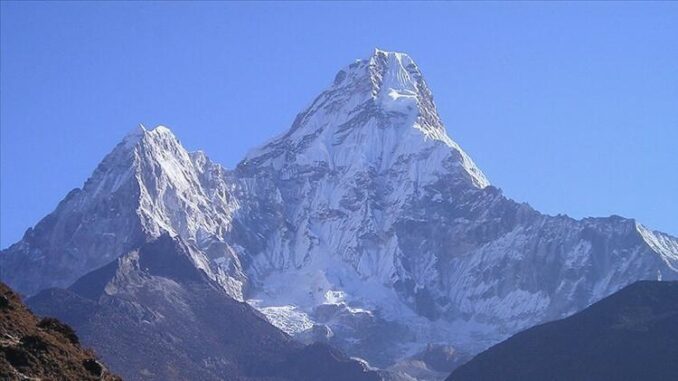
- Summit (8,848.86 meters)
Each phase presents unique risks, such as extreme weather, high altitude sickness, and technical challenges like the Khumbu Icefall and the Lhotse Face. Experienced guides like Kami Rita mitigate these dangers through meticulous planning, use of supplemental oxygen, and precise route selection.
Why Everest Continues to Draw Mountaineers
Everest remains a focal point for climbers because of its prestige, challenge, and the allure of standing atop the world. As more climbers venture into its dangerous terrains, seasoned guides like Kami Rita play an essential role in ensuring safety and success. His record-breaking climbs inspire countless others, showing that dedication, expertise, and respect for nature are vital in conquering Everest.
The Role of Sherpa Guides in Everest Expeditions
Sherpa guides, including Kami Rita, are the backbone of Everest expeditions. Their deep knowledge of the terrain, weather patterns, and high-altitude physiology enhances the safety and efficiency of each ascent. They undertake rigorous training and have invaluable experience navigating the mountain’s most hazardous sections, such as the Khumbu Icefall and the Hillary Step.
In addition to guiding, Sherpas often carry essential supplies, set up camps, and provide vital emergency assistance. Their contributions have been pivotal in the development of Everest climbing infrastructure, making the ascent more accessible yet still perilous.
Future of High-Altitude Mountaineering on Everest
With technological advances like hyper-light gear, better weather forecast systems, and improved acclimatization protocols, Everest expeditions continue to evolve. However, the mountain’s innate dangers persist, making the expertise of guides like Kami Rita irreplaceable.
As the record-holders continue to push boundaries, the debate grows over the environmental impact of increasing expeditions. Responsible climbing practices and sustainable tourism are becoming essential discussions within the mountaineering community.