Canada Eyes Reconnecting with Turkish Defense Industry Amid Geopolitical Shifts
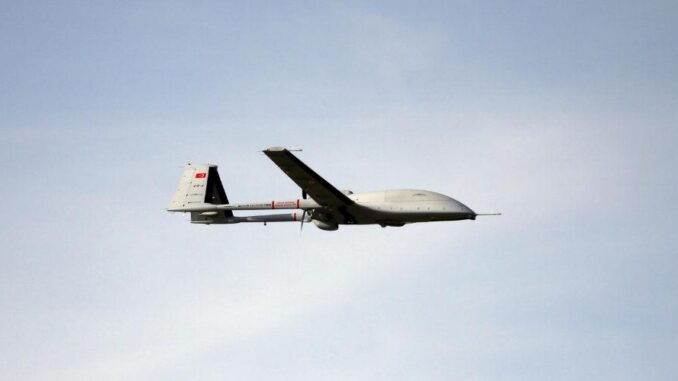
Recent developments signal a dramatic change in Canada’s stance towards Turkish defense technology, particularly in the wake of longstanding sanctions and restrictions. As geopolitical tensions evolve, Canada now shows a surprising openness to re-engage with Turkey’s burgeoning defense sector, especially regarding Unmanned Aerial Vehicles (UAVs) like the Bayraktar TB2, and other advanced military systems.

Historical Context: Sanctions and Their Impact
Canada imposed significant arms export restrictions on Turkey following Ankara’s military operations in northern Syria in 2019. These sanctions primarily targeted key Turkish defense companies such as Baykar and TUSAŞ (Turkish Aerospace Industries). The restrictions specifically curtailed the supply of electro-optical and infrared (IR) systems, crucial components in drone technology and surveillance systems. This move was motivated by concerns over Turkey’s military actions, yet it inadvertently sparked a push within Turkey to develop indigenous defense technologies to replace imported systems. Today, Turkey claims significant progress in this domain, notably through companies like Aselsan, which produces advanced assault fire control and IR systems.
Why Is Canada Reconsidering Turkish Defense Agreements?
Sources close to government discussions reveal that Canada is now actively exploring possibilities to re-engage with Turkish defense firms, considering the recent geopolitical shifts. The primary focus revolves around Middle Altitude Long Endurance (MALE) UAVs, including systems like Bayraktar TB2, TUSAŞ Anka, and Aksungur. These platforms demonstrate Turkey’s progress in drone technology, challenging traditional Western dominance.
Industry experts suggest that this potential shift results from several factors: – Decreased trust in US defense systems, which prompts allies like Canada to diversify sources. – Turkey’s growing expertise and mass production capabilities in drone technology. – A strategic move to balance reliance on traditional suppliers, especially given the current US-China tensions.
Key Players and Technologies Under Scrutiny
Canada’s interest primarily targets indigenous Turkish drone technology, which has repeatedly proven its battlefield effectiveness. The Bayraktar TB2 has gained global prominence during conflicts in Syria, Libya, and Ukraine, showing a potent combination of long endurance, precision strike capability, and cost efficiency.
| Turkish Drone Model | Operational Highlights | Key Advantages |
|---|---|---|
| Bayraktar TB2 | Served in multiple conflict zones; seen in Ukraine | Affordable, reliable, proven combat record |
| phoenix | Developed for surveillance and reconnaissance | High endurance, modular payloads |
| Aksungur | Heavy-lift drone for military logistics | Extended flight times, versatile payloads |
These UAVs are complemented by advanced sensors and imaging systems, which Turkey has now mastered domestically, reducing reliance on external suppliers like Canada or Western partners.
Diplomatic and Strategic Implications
The potential thaw in relations signals a broader geopolitical recalibration. Canada’s decision aligns with its goal to diversify defense sourcing and reduce dependence on US systems, particularly amid concerns over US policies and supply chain vulnerabilities. Moreover, this shift could impact NATO dynamics, especially as Turkey’s military capabilities become more integrated into Western defense planning. Canada’s interest may also serve as a pressure point to encourage Turkey to expand military exports or joint development projects in emerging areas like anti-drone systems, cyber warfare, and missile technology.
Ongoing Negotiations and Future Outlook
While discussions remain in the early stages, officials indicate a genuine interest in developing bilateral defense partnerships with Turkish firms. The focal point remains joint R&D efforts, technology exchange agreements, and possibly co-production arrangements for UAV components.
Simultaneously, political figures such as Canadian Defense Minister Stephen Fuhr emphasize the importance of building bridges and exploring new alliances within the defense industry. His recent statements underscore a strategic desire to collaborate with Turkey in areas like: – Munitions production – Counter-drone systems – Unmanned systems development
What’s Next for Canada and Turkey?
The likelihood of formal agreements rests on diplomatic negotiations and regional security dynamics. A key question remains whether Canada will lift or relax existing restrictions, perhaps through bilateral treaties or specialized exemptions. If successful, this could herald a new era of military cooperation between the two nations, diversify the global supply chain of UAV and military electronics, and challenge existing Western-centric defense alliances.
The international community watches closely, as this evolving relationship could redefine North Atlantic defense strategies and open pathways for joint technological innovation in a highly competitive and rapidly changing global security landscape.