Unfolding the Attack: Immediate Response and Critical Insights
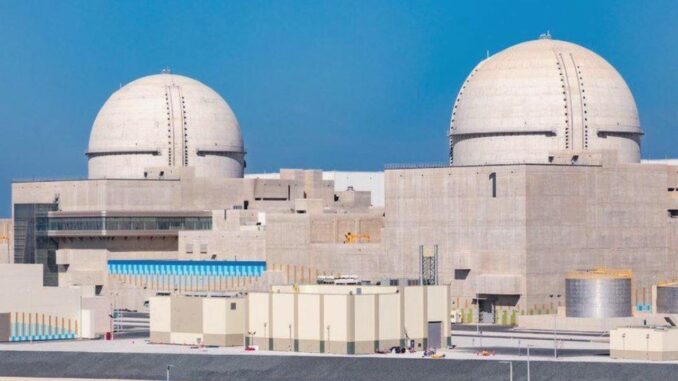
Immediately following a targeted drone assault on the external security perimeter of Abu Dhabi’s *Barakah Nuclear Power Plant*, emergency protocols kicked in within seconds. The attack, carried out by an unidentified UAV, aimed to damage core nuclear components but only struck a secondary electrical generator outside the plant’s sensitive areas. Rapid intervention by onsite firefighting teams successfully contained the blaze, preventing widespread damage. Interestingly, data from initial radiation scans indicate no abnormalities or elevated radiation levels, confirming that the core nuclear system remained untouched. This swift response underscores the effectiveness of built-in safety measures and emergency preparedness, vital for maintaining operational security during evolving threats. It also highlights the importance of real-time surveillance and automated safety systems in preventing disasters during external attacks.
What the Attack Targeted and Why It Didn’t Lead to a Nuclear Crisis
The drone targeted an auxiliary generator situated outside of the primary reactor containment zones. While the damage caused a fire, the critical nuclear facilities — including reactors and cooling systems — remained unaffected owing to strict physical and operational barriers. Authorities emphasize that this external focus was strategic, likely designed to create fear or disrupt energy supply without risking a nuclear meltdown. The attack failed to breach core safety mechanisms, which are protected by multiple layers of security, including physical barriers, automated safety systems, and procedural protocols. Analysts point to the possibility that the attacker sought symbolic damage—the power infrastructure—rather than a technical nuclear breach. Such tactics aim to destabilize public confidence and regional security infrastructure without triggering nuclear proliferation concerns.
Investigating the Attack: How Authorities Respond and Analyze
Security agencies quickly mobilize to contain the incident, isolating the affected area and deploying specialized teams. The immediate steps involved: – Isolating the site and assessing risks – Deploying firefighting and cooling systems – Conducting comprehensive radiation measurements – Securing electronic and physical evidence Initial reports confirm no injuries among personnel, and radiation levels remain within normal limits. Forensic teams collect UAV debris, data logs, and electronic signals to trace the drone’s origin and flight path. Technology plays a crucial role here. By analyzing flight trajectory data, communication signals, and debris, investigators aim to identify the UAV’s type, range, and control mechanisms. Parallel intelligence sharing with regional and international partners enhances understanding of potential attackers and their motivations.
Possible Sources and Motivations Behind the Attack
Though no group has claimed responsibility, security analysts hypothesize several potential actors: – Regional militant groups seeking to destabilize Gulf energy infrastructure – State-sponsored entities aiming to test defense systems – Ideologically motivated extremists targeting *nuclear symbols* – Criminal organizations exploiting security gaps for ransom or blackmail The heterogeneity of possibilities shifts the focus to to a comprehensive counter-surveillance initiative, emphasizing drone detection and interdiction at critical infrastructure sites. Intelligence collection involves scrutinizing flight data, electronic signals, and debris analysis. Authorities also expand network surveillance and analyze behavioral patterns to prevent future threats.
Environmental and Public Health Monitoring Post-Attack
Even when an attack targets non-core facilities, environmental safety remains paramount. The immediate response employs continuous radiation monitoring using mobile and fixed detectors to ensure public safety. These data show no deviation from normal radiation levels, reassuring the public that the core nuclear operations remain secure. However, the incident prompts authorities to extend environmental sampling — soil, water, and air quality tests — over the weeks upcoming. These efforts ensure no secondary contamination occurs and support transparency, which is critical for public trust. Monitoring extends into evaluating possible secondary risks such as chemical or particulate releases from the damaged generator. Stricter protocols and increased surveillance act as an added safeguard against unforeseen adverse effects.
Security System Resilience and Defensive Layers
Modern nuclear facilities implement multi-tiered security systems designed to stand with external threats: – Active defense mechanisms like drone detection radars, automated suppression systems, and secure access controls. – Passive protections include reinforced barriers, radiation shielding, and structural resilience. – Administrative procedures involve rigorous personnel training, continuous safety drills, and emergency protocols. In case of external interference, these layers operate seamlessly to diminish risks, safeguard critical assets, and ensure reactor integrity. This incident demonstrates the importance of layered security, emphasizing that an effective defense relies on synchronized physical, technological, and procedural safeguards.
Impacts Beyond the Site: Regional Security and Diplomatic Signals
Any attack on a nuclear installation sends reverberations across regional security and diplomatic circuits. It damages confidence in the safety of nuclear infrastructure, potentially affecting energy markets and political stability. The attack prompts immediate calls for international cooperation, transparency, and joint probes. Countries may enhance border security, implement stricter drone regulations, and collaborate with international agencies like the IAEA. Diplomatic efforts focus on reaffirming commitments to nuclear safety protocols, preventing future attacks, and deterring escalation. Highlighting the incident’s external origins, regional leaders emphasize the need for robust intelligence sharing and collective security measures.
Stay Informed: Trustworthy Sources and Investigation Timelines
As investigations continue, official communications from the *Abu Dhabi Media Office*, *Federal Nuclear Regulatory Authority*, and *IAEA* provide the most reliable updates. These agencies maintain transparency in sharing findings and measurements, ensuring public confidence. Expect detailed technical reports within weeks, which will shed light on the attack’s specifics, drone evidence, and security lapses. Meanwhile, continuous monitoring reassures the public that nuclear safety remains uncompromised. This layered approach to information dissemination encourages informed awareness and diminishes misinformation—crucial during such high-stakes events.