For years, the wireless revolution seemed unstoppable. Tech giants promoted the seamless convenience of Bluetooth earbuds, touting them as the future of personal audio. Yet, amidst this rapid shift, an unexpected phenomenon is unfolding: wired headphones are quietly staging a significant comeback. This resurgence isn’t just about nostalgia; It’s rooted in tangible benefits that many users find impossible to ignore in the age of wireless dependency.
While many may dismiss the re-entry of wired headphones as outdated, the reality is that they continue to hold a critical place in the audiophile community, professional settings, and everyday use cases where reliability and sound fidelity are paramount. The gap between what wireless headphones promise and what they deliver is widening, prompting a reevaluation for listeners worldwide.
Performance Advantages: Why Wired Headphones Outperform Wireless
The core advantage of wired headphones lies in their superior sound quality. Unlike Bluetooth models, which often compress audio data, wired solutions transfer signals directly through physical connections, ensuring minimal loss of detail and richness. Audiophiles consistently prefer wired options because this direct connection preserves dynamic range and clarity that digital compression simply cannot match.
Furthermore, latency is a persistent issue with wireless devices. Whether you’re gaming, editing music, or watching movies, even slight delays can ruin the experience. Wired connections eliminate this problem entirely, offering instantaneous, synchronized sound transmission for peak performance.
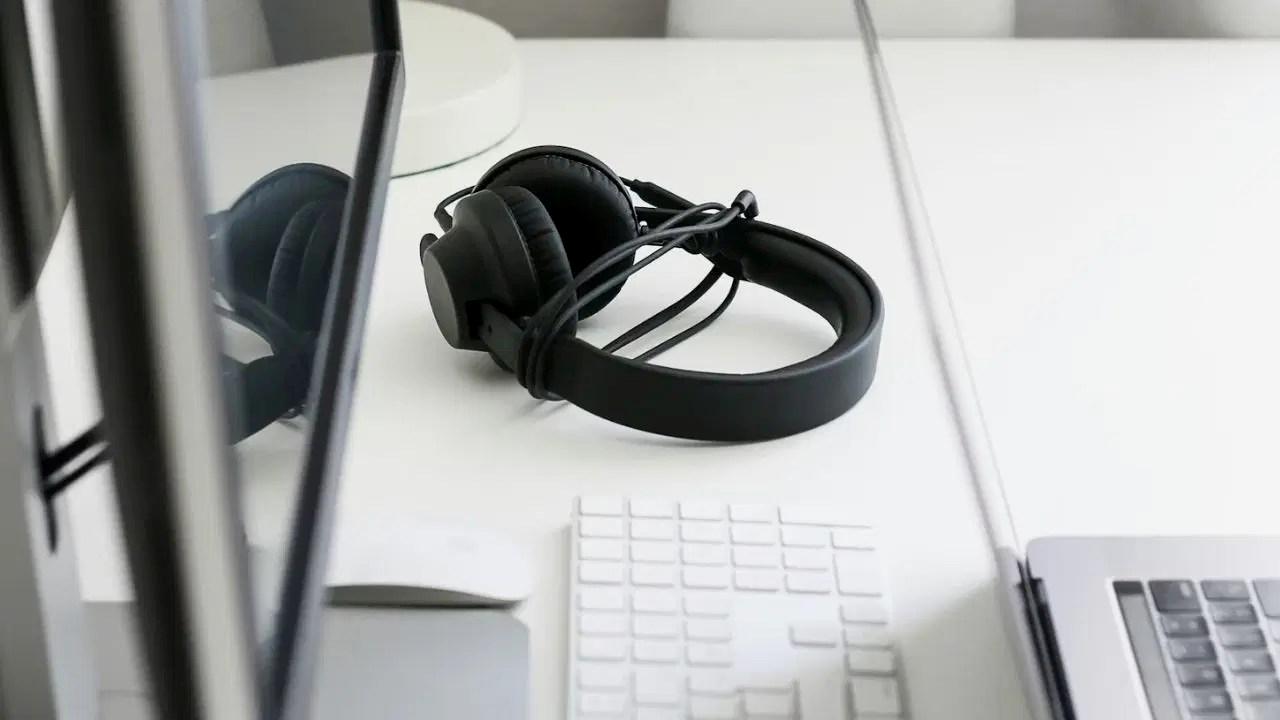
Another critical factor is connection stability. Users frequently encounter dropouts, interference, and disconnections with Bluetooth devices, especially in crowded environments or near other wireless signals. Wired headphones, on the other hand, provide a stable and uninterrupted experience, which is indispensable for professionals and serious enthusiasts.
Technology Requiring Reassessment: Limitations of Wireless Headphones
Although manufacturers heavily promote wireless technology, it has notable shortcomings. Battery life remains a limiting factor, requiring frequent recharging that interrupts usage. Many Bluetooth earbuds last only 4-8 hours on a single charge, which is insufficient for long commutes, studio sessions, or extended listening.

Additionally, connectivity issues persist even with the latest Bluetooth versions. Users report occasional disconnections, pairing frustrations, and compatibility problems, particularly across different device ecosystems (iOS vs Android). These inconveniences diminish the overall experience, making wired options more attractive for those seeking reliability.
Market Trends and Sales Data: Evidence of a Revival
Recent sales figures contradict the narrative of wireless dominance. Market analysts observe a significant spike in wired headphone sales, especially among audiophiles and professionals. According to data from industry research firms, wireless headphone sales growth has plateaued, while wired model sales are rising sharply, with up to 20% growth in some regions during the last year.
Major brands, such as Sennheiser, Audio-Technica, and Beyerdynamic, are expanding their wired product lines, emphasizing high-end audio quality and durability. Many consumers are returning to classic designs after discovering the limitations of wireless models for critical listening tasks.
Customer Perspectives and Cultural Shift
Personal stories reveal a shift in user preferences. Aryn Grusin, a social worker from Portland, shares her experience: “I tried wireless earbuds for convenience, but I kept experiencing disconnections and compromised sound quality. Once I switched back to wired headphones, everything changed—more clarity, fewer interruptions, and a sense of control.” Such testimonials underscore a broader movement where users prioritize performance and reliability over convenience.
This shift is also reflected in social media trends. Influencers and musicians alike are showcasing wired designs as style statements, blending retro aesthetics with modern functionality. The “Wired It Girls” trend emerged on Instagram, where fashionable personalities flaunt their cables as part of their signature looks. This movement suggests a cultural embrace of nostalgia and authenticity—rejecting the fleeting allure of wireless convenience in favor of performance and personal expression.
Practical Solutions and The Future of Wired Headphones
Understanding the growing demand, tech companies are innovating with adapters and hybrid models. For devices without headphone jacks, USB-C to 3.5mm adapters and Lightning connectors facilitate seamless integration of wired headphones. These solutions preserve the audio fidelity and connection stability consumers seek without sacrificing modern device compatibility.
While some brands have signaled a complete phase-out of headphone jacks, market resilience indicates that wired headphones will coexist with wireless for years to come. They cater to professional users, audiophiles, and everyday listeners who value quality, consistency, and simplicity.
As the audio industry continues to evolve, hybrid models may emerge, offering the best of both worlds—wireless convenience with wired reliability. Consumers will likely benefit from these innovations, which could integrate wired components into sleek, portable designs, or develop advanced materials that enhance durability and comfort.
Choosing the Right Wired Headphones Today
To capitalize on this trend, consumers should evaluate their priorities carefully. Factors such as sound quality, durability, compatibility, and cost determine the best fit. Entry-level models like the Audio-Technica ATH-M20x or Sony MDR7506 cater to beginners, while premium options like the Sennheiser HD 660 S or Beyerdynamic DT 1990 Pro serve discerning listeners demanding the highest fidelity.
Additionally, investing in quality cables can significantly impact sound reproduction. Look for braided or reinforced cables that resist tangling and wear, ensuring long-term usability. For mobile users, choosing compact, lightweight designs enhances portability without sacrificing audio performance. Pairing wired headphones with high-quality DACs or amplifiers can unlock even richer sound experiences.
In the end, the choice to adopt wired headphones hinges on a clear understanding of your listening needs and lifestyle. As the market shifts, being informed about technological advancements and market trends empowers you to make decisions that enhance your listening experience for years to come.