
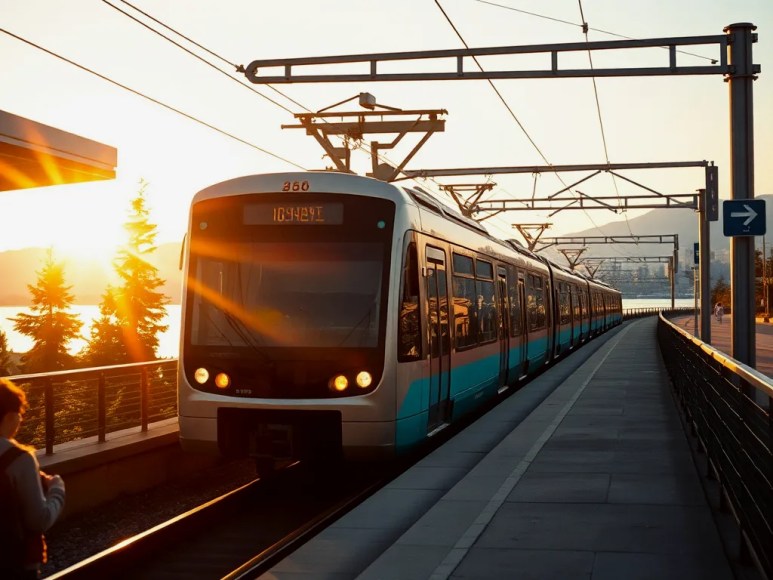
Federal capital remains unused while provincial co-funding stalls
TransLink was allocated CA$1.529 billion in federal capital in March 2025 for projects spanning 2026–2036, but the money is not accessible until a binding funding agreement is executed. CEO Kevin Quinn told a November 20, 2026 audience that the province has not finalized the required co-financing terms, leaving the region unable to draw down the federal tranche. That delay directly increases TransLink’s reliance on debt to fund near-term construction and system upgrades.
Which projects would the federal capital cover and how does delay affect them?
The federal package is intended to fund large-scale capital items: bus and rail fleet expansion, rapid transit extensions, station improvements and accessibility upgrades, and major road-to-transit integration works. When the capital is locked, TransLink can reduce borrowing for multi-year projects and reallocate operating revenues to service improvements. With the funding agreement pending, TransLink must either defer projects, extend construction timelines, or issue additional bonds—each option raising costs and delaying benefits such as increased capacity, shorter wait times and improved accessibility.
Existing federal agreement for state-of-good-repair projects already in force
A separate federal contribution of CA$663.67 million, signed into force on August 25, 2026, covers state-of-good-repair needs: fleet renewals, station elevators and escalators, and other critical asset replacements. That agreement is active and payable, which means immediate safety and reliability upgrades can proceed even as the larger capital package remains on hold.
How secure is TransLink’s operating budget after 2027?
TransLink has secured operating financing that runs through the end of 2027 under its current plan, but persistent uncertainty about a long-term revenue framework threatens services thereafter. The provincial legislature must approve a new revenue mechanism intended to generate at least CA$112 million per year when fully implemented. If the mechanism is delayed or reduced in scope, TransLink faces potential cuts to bus frequency, route networks and road-investment commitments—reductions that would erode ridership and economic connectivity across Metro Vancouver.
Why fuel-tax revenues no longer reliably fund operations
Historically, regional fuel taxes formed a large share of TransLink’s operating revenues. Quinn noted that the share of budget from regional gasoline taxes has dropped from roughly 33% to about 18%. Two structural changes explain the decline: increased fuel efficiency across the vehicle fleet and higher EV penetration that displaces taxable gasoline sales. As those trends continue, fuel-related receipts will decline in absolute terms unless tax bases or rates change.
Federal reconfiguration of transit funding and implications for Vancouver
In June 2026 the federal government announced a new “Strong Public Transit Fund” model that negotiates allocations directly with provinces. That shift changes how previously announced regional allocations, including Vancouver’s, are transferred to projects under the new program design. Public documentation has not clarified whether the CA$1.529 billion allocation has been formally migrated into the updated fund, adding another layer of uncertainty to timing and eligibility for specific projects.
Numbers, timelines, and practical effects
Key figures to watch:
• CA$1.529 billion – promised federal capital (March 2025) pending agreement
• CA$663.67 million – state-of-good-repair federal contribution (in force August 25, 2026)
• CA$112 million/year – target annual revenue from the province’s new mechanism when fully implemented
Practical timeline scenarios:
1) Rapid agreement (3–6 months): TransLink begins draws, accelerates projects, lowers borrowing, and schedules staged service improvements.
2) Moderate delay (6–18 months): Some projects are deferred or delivered in smaller phases; borrowing increases; Contractor costs rise with inflation.
3) Long delay (>18 months): Significant project cancellations or deep deferrals, service cuts to maintain balanced operations, and reputational pressure on provincial and federal decision-makers.
What should regional leaders and stakeholders ask now?
Stakeholders can press for clear, timebound actions that unlock federal capital and protect operations:
• Ask the province to publish an explicit co-funding timeline tied to milestones (term sheet, cabinet sign-off, legislative enactment).
• Request confirmation from the federal government whether the CA$1.529 billion allocation maps into the Strong Public Transit Fund and under what terms.
• Seek interim measures such as bridge financing or phased funding agreements that enable early draws for shovel-ready components while larger negotiations continue.
Examples of mitigation from other jurisdictions
Comparable regions have used short-term strategies to avoid service loss: phased contracts that release funds per milestone (Toronto’s early infrastructure blocks), provincial bridge loans repaid when federal funds arrive (Ottawa examples), and targeted farebox or service adjustments to Preserve frequent routes while cutting marginally used trips. Each approach trades immediate certainty for either incremental cost or temporary service compromises.
Conclusion: unlock the capital or accept slower, costlier transit growth
Without a provincial co-funding agreement and explicit migration of the March 2025 allocation into the June 2026 federal fund model, Vancouver risks delayed infrastructure, higher borrowing and constrained transit service beyond 2027. Coordinated, timebound actions by provincial and federal authorities—paired with practical interim —would allow financing TransLink to stabilize budgets, accelerate key projects, and preserve service levels that support regional mobility and economic resilience.
Be the first to comment