
Christmas and New Year Travel Risks: What US Citizens Should Know
The US Embassy in London issued a proactive security notice on 16 November 2026 urging US citizens traveling in Europe during the holiday season to remain vigilant around crowded public spaces. The advisory highlights elevated risks at tourist sites, holiday markets, transit hubs and places of worship, and it emphasizes that threats can be unpredictable and opportunistic. Travelers should treat the notice as a preventive alert rather than indicating a specific imminent incident.
Where and when the risks are highest
Holiday-period gatherings concentrate people in predictable locations and schedules. Targeted areas include:
• Christmas markets and festive squares: High footfall, numerous temporary stalls, limited exits, and vendors create dense microenvironments where an incident could result in high casualties and congestion that impedes emergency response.
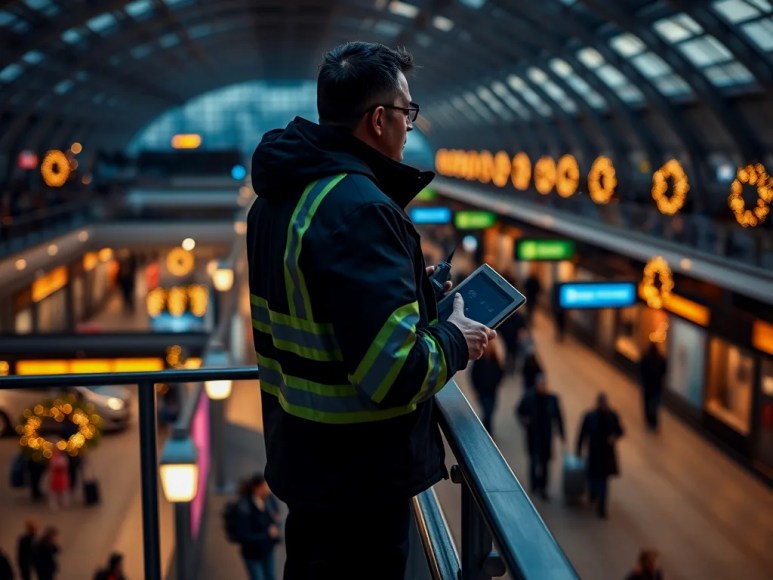
• Major transit hubs: Airports, central rail stations and major bus terminals see surges in passenger volume; delays and platform crowding increase vulnerability.
• Shopping districts and malls: Extended opening hours and holiday promotions draw larger crowds, creating multiple access points and evacuation challenges.
• Religious services and community events: Seasonal services and charity drives attract predictable, often international, attendance.
Practical security steps to reduce risk
Adopt these specific, actionable measures before and during travel to lower personal exposure:
Before travel: Enroll in the Smart Traveler Enrollment Program (STEP) to receive embassy alerts and facilitate contact in an emergency. Confirm travel insurance covers medical evacuation and trip disruption. Research transport alternatives and identify primary and secondary routes and exits at planned venues.
During travel: Maintain situational awareness—know where security personnel, first-aid stations and clear exit paths are located. Keep belongings secure and avoid large, unnecessary luggage in crowded places. Vary routines where possible and travel in groups when feasible. Share itineraries with a trusted contact and enable location sharing on your device for defined time windows.
If you encounter a suspicious item or person: Do not touch or approach. Move to a safe distance, note distinguishing details (clothing, behavior, direction of travel) and notify local authorities immediately. If instructed by police or security staff, follow directions promptly to avoid complicating emergency response.
How transit disruptions and protests can affect plans
The embassy also warns that non-security events—strikes, protests and hoax bomb threats—have recently caused significant travel disruptions in Europe. Examples demonstrate impact:
• Strikes: Coordinated rail and aviation staff actions often result in cancellations and rapid rescheduling. Build buffer time into itineraries, avoid tight connections and keep alternate routes/apps at hand.
• Protests: Large demonstrations can close roads and stations without notice. If an event is planned near your destination, consider rerouting or changing event times.
• False alarms: Authorities increasingly treat suspicious packages and bomb claims seriously; this can lead to evacuations and prolonged delays even when no device is found.
How to monitor and respond to real-time developments
Use a layered information approach: official embassy alerts, local law enforcement feeds, airline notifications and trusted local news outlets. Set real-time push notifications from the airline and your country’s embassy, and add local emergency numbers to your phone. When officials issue an instruction to shelter in place or evacuate, comply quickly and document the action for later consular assistance.
Why STEP registration helps and how to use it
STEP offers three immediate benefits: automated alerts about local security incidents, a record that helps consular staff locate you in a crisis, and an easy channel to request assistance. To register: create a STEP profile with travel dates, locations and emergency contacts; update the profile if plans change; and opt into message delivery via SMS and email. Encourage close travel companions to register as well.
Example travel checklist for Europeans holiday trips
Use this checklist to prepare a resilient holiday itinerary:
1) Documents and communication: Digital and paper copies of passport, visas and health documents; local SIM or roaming plan; power bank and travel adapter.
2) Situational awareness tools: STEP enrollment, airline app with notifications enabled, two local news sources saved, and an offline map of city evacuation routes.
3) Contingency planning: Alternate transport options, emergency cash, flexible hotel booking or refundable tickets when possible.
4) Safety kit: Basic first-aid items, a small flashlight, high-visibility whistle, and essential medications.
What to expect from US diplomatic missions
Embassies and consulates issue safety updates, coordinate with local authorities and provide emergency assistance to US citizens. In case of an incident, consular staff can help with emergency passport services, provide lists of local hospitals and offer guidance on evacuation options. Registering in STEP accelerates these services because it provides staff immediate access to your travel details.
Bottom line: prepare, monitor, and adapt
Holiday travel remains possible and enjoyable, but successful trips in a dynamic security environment require active planning and real-time adaptability. Enroll in STEP, follow official alerts, build schedule buffers and prioritize exit awareness at every crowded venue. These concrete steps reduce personal risk and enable more effective responses if authorities issue an urgent directive.