
Overview of the Latest Counts and Timeframe
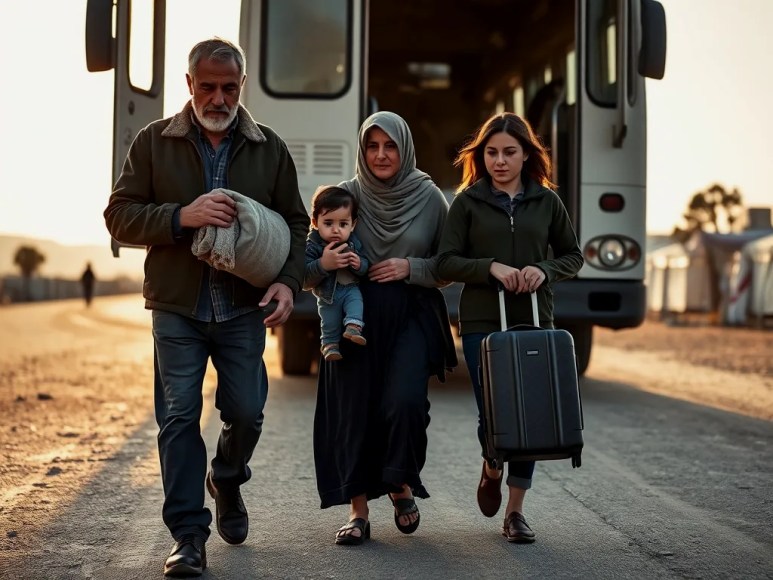
Interior Minister Mustafa Çiftçi announced that, as of 31 October 2026, 2,197,464 Syrians remain under Turkey’s temporary protection, and total returns to Syria have reached 1,515,392. These figures reflect cumulative movements since the start of the Syrian crisis and a concentrated wave of voluntary returns that accelerated after December 9, 2024. The public statistics come from the Ministry of Interior’s presentation to the Turkish Grand National Assembly’s Plan and Budget Commission during the 2027 budget hearings.
How Many Syrians Returned and When
Between 9 December 2024 and 31 October 2026, Turkish authorities recorded 775,389 Syrians leaving Turkey via voluntary return programs. That surge accounts for roughly 51% of the total return figure of 1,515,392, indicating a marked change in movement patterns within a 23-month window. The Ministry attributed the increase to changing conditions in parts of Syria, administrative facilitation, and expanded voluntary return channels.
Breakdown of Foreign Population by Legal Status in Turkey
The Ministry provided a clear snapshot of foreigners in Turkey by legal category. On 31 October 2026:
– Temporary protection (Syrians): 2,197,464
– Residence permit holders: 1,286,938
– International protection fighter/status holders: 128,217
Together these categories sum to 3,612,619 individuals. The residence permit and international protection totals include multiple nationalities; only the temporary protection figure refers specifically to Syrians under that legal regime.
What the Numbers Mean Practically
These data points illuminate operational realities: large-scale voluntary return programs can produce measurable shifts in population within under two years, and Turkey continues to host a large displaced population even as returns proceed. Practically, a remaining base of roughly 2.2 million people under temporary protection requires long-term management of services while authorities coordinate returns and verify conditions on the ground.
Key Factors Shaping Voluntary Returns
Four practical drivers explain the increase in returns observed since December 2024:
1. Security and access in parts of Syria: When local security and public services stabilize, displaced families assess the feasibility of returning.
2. Administrative facilitation: Streamlined registration checks, transport assistance, or information campaigns reduce barriers to voluntary return.
3. Economic and social calculus: Families weigh housing, employment prospects, and family reunification against the costs and limitations of staying in Turkey.
4. International and bilateral coordination: Agreements between Turkey and local or international actors can create certified return pathways.
Service Implications for Host and Destination Areas
Hosts: Municipalities and national agencies must continue providing education, health access, and social support to a large, concentrated population while managing declining but still significant caseloads as returns continue.
Destinations: Areas in Syria receiving returnees need rapid assessments of shelter, water, sanitation, health, and schooling capacities; returns that outpace service restoration create acute humanitarian and public health risks.
Steps Authorities Take to Manage Returns Safely
Typical operational steps that Turkey and partners implement to keep returns voluntary and safe include:
1. Individual counseling and information: Conveying risks, available services on return, and legal implications.
2. Verification visits: Assessing conditions at intended return locations for safety and access to basic services.
3. Documentation checks and transit assistance: Ensuring identity and travel documents are in order and providing organized transportation where needed.
4. Post-return monitoring: Tracking a sample of returnees to identify protection or assistance gaps and adjust programming.
Examples and Data-Driven Insights
A 775,389-person return over 23 months implies an average of about 33,719 returns per month during the intensified period. That monthly average helps planners estimate needs: for example, if 10% of returnees require immediate shelter assistance, procurement and distribution systems should plan for roughly 3,372 shelter packages monthly during similar surges.
Questions People Ask and Direct Answers
Q: Are returns voluntary? The Ministry reported these as voluntary returns; operational safeguards such as counseling and verification aim to preserve voluntariness.
Q: Do the return figures include people sent back forcibly? The published numbers distinguish voluntary returns; Forced removals are not included in the voluntary return total that the Minister cited.
Q: Will the temporary protection status end? Policy decisions about temporary protection depend on legal, political, and security assessments. The data show large-scale shifts but do not alone determine status changes.
Implications for Policy and Humanitarian Planning
Planners should treat these figures as a dynamic baseline: large residual populations under temporary protection coexist with significant return flows. Effective responses combine continued service delivery in Turkey, scalable assistance in return areas, robust monitoring, and targeted investments to reduce displacement drivers. Scenario planning that uses monthly return averages and assumption-based percentages for assistance needs enables more resilient resource allocation.
Where to Find Further Official Data
Primary sources for these statistics are the Turkish Ministry of Interior’s migration and border management releases and parliamentary presentations. Cross-referencing with UN agencies and humanitarian actors provides complementary insight on needs, protection referrals, and the condition of return sites.